Chevy Colorado ZR2 Wheel Offset
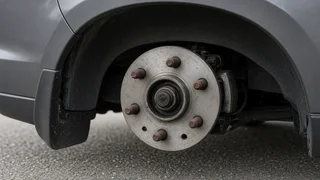
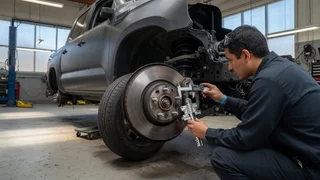
The Chevy Colorado ZR2 uses wheel offset to position the tire and rim assembly in relation to the suspension, fender, and steering geometry. A change in offset moves the tire contact patch inward or outward, which alters scrub radius, bearing load, and clearance through the suspension’s articulation range. Because the ZR2 has wider track components, taller ride height, and specific fender flares, offset is not just a cosmetic dimension. It determines whether a replacement wheel sits within the intended clearance envelope while preserving handling stability and protecting steering, suspension, and body components from interference.
Essential answer
Wheel offset describes the distance between the rim’s mounting face and the centerline of the rim width. Positive offset places the mounting face toward the outer side of the wheel, while negative offset moves it inward and pushes more of the rim outward. For a 2024 Colorado ZR2, the factory wheel is engineered to work with the model’s wider stance, suspension travel, and factory fender flares. Understanding that offset is measured from the true rim centerline helps avoid confusing it with backspacing, which measures from the mounting face to the inner rim edge and changes with rim width.
The essential answer is that this specification affects where the tire sits under the truck, not just how the wheel looks. A small change in offset can move the tire contact patch enough to contact the fender flare, upper control arm, or frame at full steering lock or suspension compression. Since the ZR2 is intended for off-road articulation and high-speed rough terrain, maintaining an offset close to the factory design preserves the steering feel, suspension clearance, and hub loading the truck was developed around. Big departures should be treated as suspension and steering changes, not simply fitment choices.