Chevy Colorado Wheel Bolt Pattern and Offset: A Complete Guide
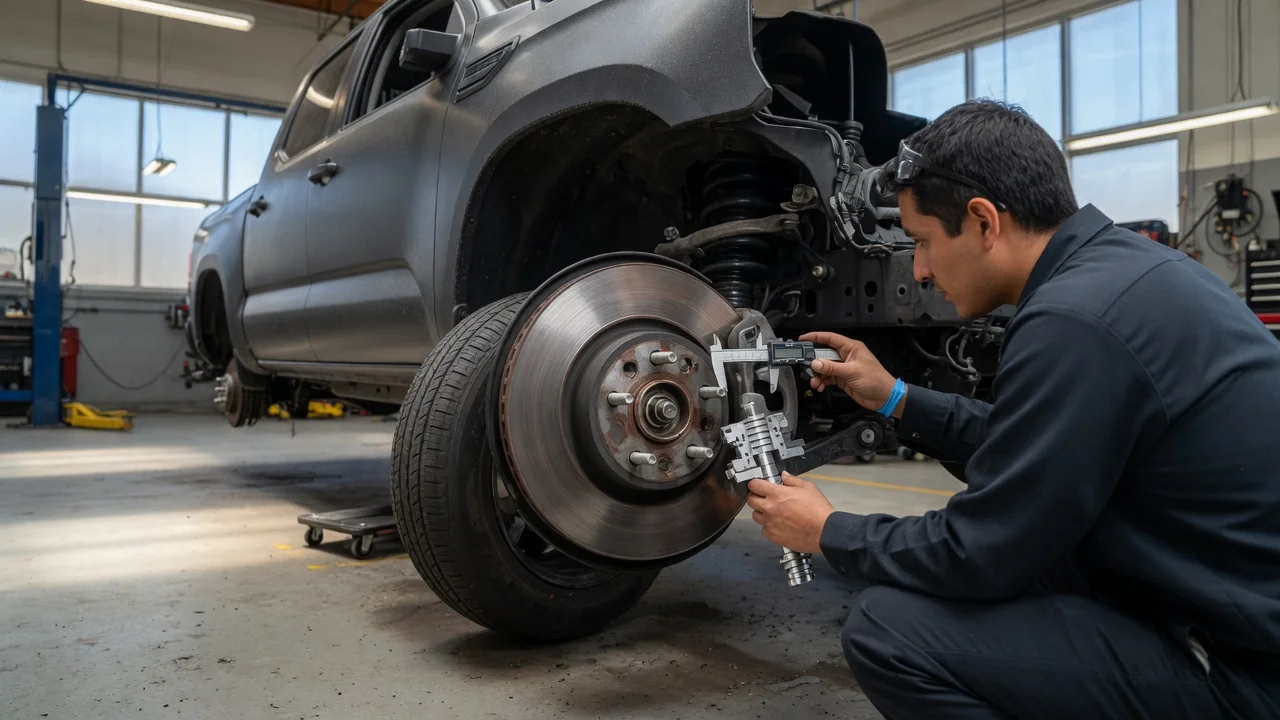
Direct Answer for Chevrolet Colorado Wheel Fitment
For most current-generation Chevrolet Colorado trucks, the wheel bolt pattern is 6x120 mm, meaning six lug holes arranged on a circle with a 120 millimeter diameter. The typical factory wheel offset ranges from approximately +25 mm to +33 mm, and the center bore is commonly 66.9 mm. This specification applies broadly to the second-generation Colorado, which entered production for the 2015 model year and continues through later years. A few alternate-market or older variants may differ, so confirming the model year and generation is essential before purchasing wheels.
Chevy Colorado Bolt Pattern by Generation
The first-generation Chevrolet Colorado, sold in North America from the 2004 through 2012 model years, generally used a 6x5.5 inch bolt pattern. This is equivalent to 6x139.7 mm when converted to metric. Later production of the first generation continued in some international markets, so vehicles built outside North America may carry the same older pattern for additional years.
The second-generation Colorado, introduced for the 2015 model year, moved to a 6x120 mm bolt pattern. This metric pattern is shared with several other General Motors truck and SUV platforms of the same era. The change represents a material fitment break: wheels designed for a first-generation Colorado will not bolt onto a second-generation truck and vice versa.
Understanding Wheel Offset on the Colorado
Wheel offset is the distance, in millimeters, between the wheel’s mounting surface and the centerline of the wheel. A positive offset places the mounting surface toward the outside face of the wheel, pulling the wheel inward. A negative offset pushes the wheel outward. The Colorado’s factory positive offset keeps the tire largely within the fender while clearing suspension components and brake hardware.
Typical factory offset for second-generation Colorado wheels lands between about +25 mm and +33 mm depending on wheel diameter, width, and trim level. Changing offset by more than a small amount alters steering feel, scrub radius, bearing load, and clearance. A moderate reduction toward zero offset can create a wider stance, but it may also cause tire rub at full steering lock or under suspension compression.
Other Fitment Specifications
In addition to bolt pattern and offset, the center bore matters. The hub-centric bore for second-generation Colorado wheels is commonly listed as 66.9 mm. A wheel with a larger center bore can be fitted using hub-centric rings, but a wheel with a smaller bore will not seat against the hub. Lug nut seat type should also match the wheel. Many Colorado factory and aftermarket wheels use conical or tapered seat lug nuts, but verifying the specific seat type for the wheel is necessary to avoid loosening or stud damage.
Practical Fitment Guidance
Before ordering wheels, confirm the production date rather than relying on the model year badge. A truck built during the transition from first to second generation could be listed as a 2013 or 2014 model in some markets while still using the older 6x139.7 mm pattern. Check the driver’s door jamb label, owner’s manual, or a reliable fitment database tied to the vehicle identification number.
If a wider wheel or different offset is planned, measure clearance between the tire and suspension upright, fender liner, and mud flap at full steering lock and through suspension travel. A wheel that clears at ride height may still contact the fender under compression. Aftermarket suspensions, leveling kits, and larger brake packages all change the available clearance envelope.
What Could Not Be Confirmed
This article covers the dominant North American Colorado specifications by generation and notes the likely offset range. Exact factory offset for every individual wheel design, trim level, and optional wheel package is not fully documented here. Do not take a single offset number as universal for every Colorado wheel. Some special packages, including off-road-oriented trims, may use different wheel widths and offsets than the range provided. Verify the specific wheel’s stamped markings or manufacturer data when an exact match is required.