Chevrolet Volt: What It Is, How It Works and How It Differs
The Short Answer: What the Chevrolet Volt Is
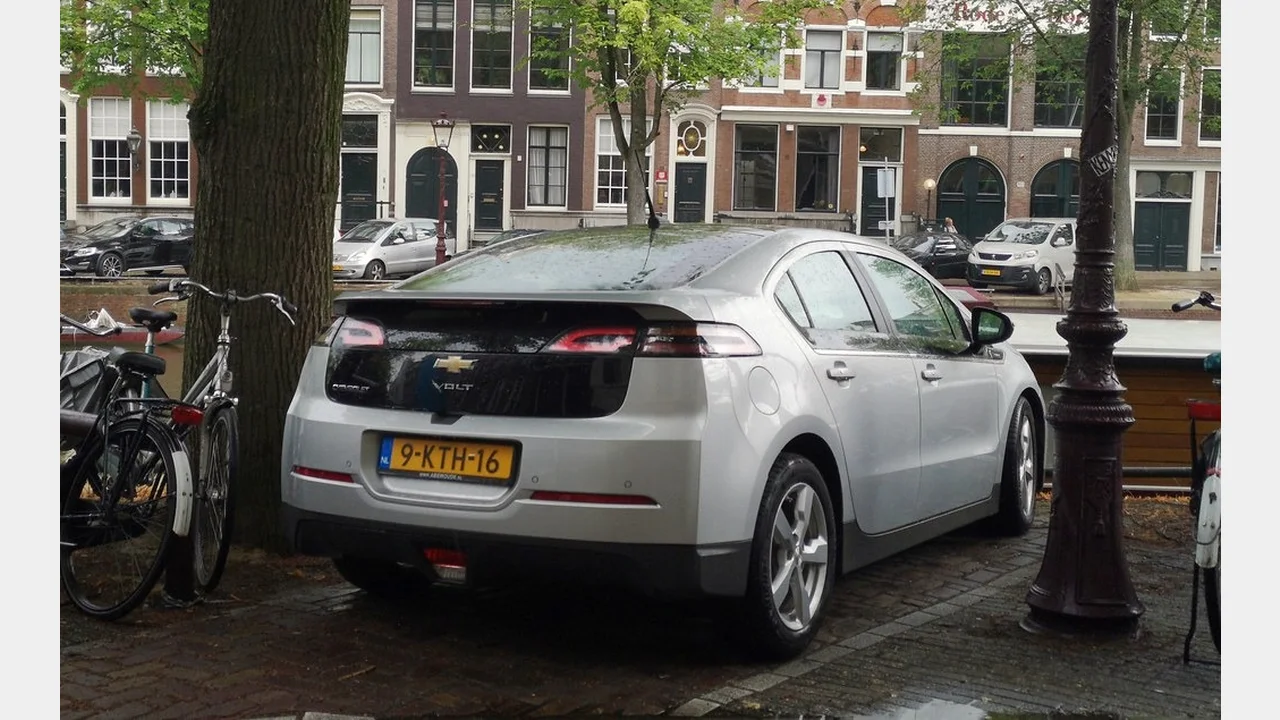
The Chevrolet Volt is a compact plug-in hybrid hatchback that General Motors sold in the US across two generations, from the 2011 through the 2019 model year. Chevrolet marketed it as an extended-range electric vehicle. It is designed to drive on battery power for everyday trips and then switch to a gasoline engine that keeps the car going once the battery's usable charge runs out. Production ended in 2019, so anyone shopping for a Volt today is buying a used car.
That design sets the Volt apart from a conventional hybrid, which cannot be plugged in and uses its small battery mainly to help the engine. It also sets it apart from a fully electric car, which has no engine at all. People sometimes search for a "volt car" when they mean the Chevrolet Bolt, a different model that runs on battery power only. The two are compared later in this guide.
How the Volt's Powertrain Works
GM called the Volt's drive system Voltec. It combines a lithium-ion battery pack, electric drive motors, a small gasoline engine and a transmission that manages how these parts work together. In normal use the car behaves in two broad ways.
Charge-depleting (electric) operation: after the car is charged from an outlet or charging station, it drives on electricity alone, and the engine normally stays off. Charge-sustaining (extended-range) operation: once the battery reaches its reserve level, the gasoline engine starts. It mainly generates electricity, and under some conditions it also helps turn the wheels mechanically. In this mode the Volt drives much like a conventional hybrid, with no need to stop and recharge.
In practice, owners who charge regularly and drive short distances can go long stretches on electricity alone. Owners who rarely plug in will mostly be driving a hybrid that carries extra battery weight. How much of the Volt's appeal you get depends heavily on your charging access and daily mileage.
The battery pack is liquid-cooled, meaning a coolant loop manages its temperature, much as a radiator manages an engine's temperature. Thermal management of this kind is generally associated with better long-term battery durability than passive air cooling. Actual battery condition on any individual car still depends on its age, climate and history.
Charging
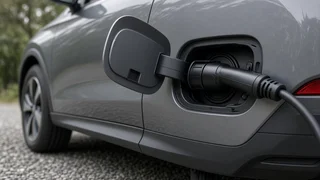
The Volt charges through a standard J1772 connector, the common plug for non-Tesla Level 1 and Level 2 charging in North America. Level 1 uses an ordinary 120-volt household outlet and is slow but convenient for overnight top-ups. Level 2 uses a 240-volt circuit or public station and charges considerably faster. The Volt does not support DC fast charging, so it cannot use the high-powered roadside chargers built for fully electric cars. Because the gasoline engine covers longer trips, this matters less for a plug-in hybrid than for a fully electric car.
First Generation vs. Second Generation
The two generations share the same basic concept, but the second generation was a substantial redesign rather than a light update. The table summarizes the broad differences. Exact figures for electric range, efficiency and power vary by model year and are not listed here.
Aspect | First generation (2011–2015 model years) | Second generation (2016–2019 model years); Body style | Five-door compact hatchback | Five-door compact hatchback with a sleeker, more conventional look; Rear seating | Two rear seats, separated by a center console | Small center rear position added, though it is cramped; Powertrain | Original Voltec system | Redesigned Voltec system with a revised battery, motors and engine; Electric range | Shorter | Longer, generally regarded as the main improvement; General character | Pioneering design with a distinctive interior | More refined, with updated infotainment and driver-assistance availability depending on trim and year
For most used buyers, the second generation is the more practical choice because of its longer electric range and more modern cabin. First-generation cars tend to be cheaper and can still serve well as commuters, especially if their battery remains healthy.
Volt vs. Bolt and Other Alternatives
The Chevrolet Bolt is a fully electric car. It has no gasoline engine, so it depends entirely on charging, but it offers much longer electric-only range than the Volt and, depending on version, can use DC fast charging. The Volt suits drivers who want electric commuting without depending on charging infrastructure for long trips. The Bolt suits drivers who can reliably charge and want to stop buying fuel altogether.
Compared with conventional hybrids that never plug in, the Volt can cover a meaningful share of daily driving with no fuel use, provided it is charged regularly. A conventional hybrid is simpler and needs no charging setup, but it always burns some gasoline. Compared with other plug-in hybrids from its era, the Volt was notable for prioritizing electric driving, with the engine taking a supporting role.
Outside the US, closely related versions were sold under other names, such as the Opel and Vauxhall Ampera in Europe and the Holden Volt in Australia. The Cadillac ELR coupe used related technology. These are different products, and their details should not be assumed to match the US Chevrolet Volt.
Practicality and Everyday Use
Seating: the Volt is a small car. First-generation models seat four. Second-generation models nominally seat five, but the middle rear seat is best kept for short trips. Cargo: the hatchback body helps with bulky items, but the battery's placement limits how roomy the cabin and cargo area feel compared with some non-hybrid compacts. Driving feel: in electric operation the car is quiet and responds immediately to the accelerator, as electric motors do. Second-generation cars add features such as a steering-wheel paddle for on-demand regenerative braking, which slows the car while recovering energy. Fuel use: the engine may barely run if you charge daily and drive short distances. On frequent long highway trips, the Volt's advantage over a conventional hybrid shrinks.
What to Check When Buying a Used Volt
Since every Volt on the market is now several years old, the car's condition matters more than its original specifications. The points below are general guidance for evaluating any used plug-in hybrid, applied to the Volt.
Battery health: compare the electric range shown after a full charge with what the car should deliver when new, and ask a dealer or qualified technician to assess the battery if possible. Range readings depend on temperature and driving style, so treat a single reading as a rough guide. Remaining warranty: plug-in hybrid battery components often carry longer coverage than the rest of the car. Confirm what coverage, if any, applies to the specific vehicle and model year. Recalls and service history: check open recalls using the vehicle identification number, and look for records of routine maintenance, including the battery's coolant system. Charging equipment: find out whether the portable charging cord is included and working, and decide whether you will rely on a 120-volt outlet or install Level 2 charging at home. Engine condition: the gasoline engine may have run far less than the odometer suggests. Volts include automatic maintenance routines that run the engine periodically to keep fuel and engine components from sitting unused, but you should still check for oil leaks, warning lights and any engine-related service notes. Test drive both modes: drive with charge in the battery and, if possible, with the battery depleted, so you experience both electric and extended-range operation.
Who the Volt Suits
A used Chevrolet Volt makes the most sense for someone with reliable home or workplace charging, a daily commute within its electric range, and occasional longer trips where a fully electric car might be inconvenient. It suits drivers less well if they cannot charge regularly, need space for a full family, or want access to fast charging. Choosing between the two generations usually comes down to budget versus electric range and refinement. Whichever you choose, the individual car's battery condition and service history should guide the final decision more than the model's reputation.