Japanese plug-in hybrids
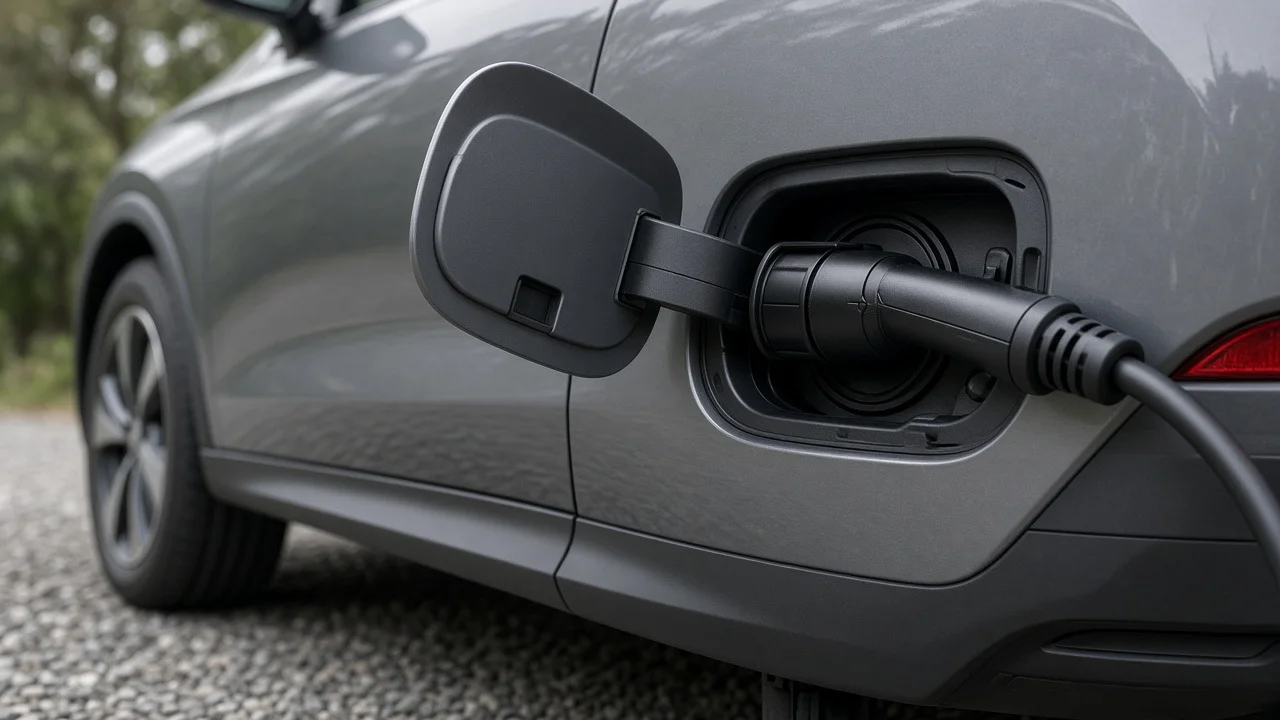
A Japanese plug-in hybrid pairs a gasoline engine with a rechargeable high-voltage battery, blending electric daily driving and long-distance flexibility. This overview clarifies how these vehicles differ from conventional hybrids, what the electric range means in practice, and which ownership considerations matter most. The focus is the general technology and its realistic strengths rather than a single model. Understanding the split between electric propulsion, hybrid operation, and charging compatibility helps a shopper judge where this category fits.
Essential answer
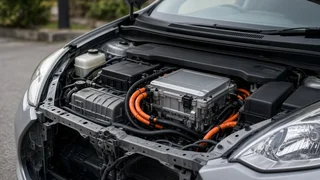
A Japanese plug-in hybrid is a vehicle that can operate as a short-range electric car and then continue as a fuel-efficient hybrid. The high-voltage system is larger than in a standard hybrid, allowing meaningful all-electric miles before the gasoline engine starts. In mixed driving, the car often accelerates electrically and switches to engine power at higher loads. This dual capability is the core appeal: many commutes can be handled on battery energy, while longer trips avoid the charging stops required by a full battery-electric vehicle.
The scope includes sedans, crossovers, and SUVs from several Japanese manufacturers, each with different electric range and power delivery. Vehicle specification details vary, but the shared principle is consistent. The engine, electric motor, and battery are coordinated by a control strategy that preserves charge when useful and blends torque smoothly. Battery management and thermal management protect the pack during charging and repeated discharge cycles. Buyers should treat advertised electric range as conditional because cold weather, cabin heating, and high-speed driving reduce the usable distance before the engine engages.