Smart Car: What It Is, Its Generations and How It Differs From Other Small Cars
The Short Answer
When people in the US say “Smart car,” they almost always mean the Smart Fortwo, a two-seat microcar sold under the Smart brand. It is shorter than nearly any other car on American roads, has its engine or electric motor mounted at the rear, and was built mainly for city driving and tight parking. The Fortwo was sold new in the US from the 2008 model year through the 2019 model year. The last US models were electric only. After that, Smart stopped selling cars in North America, so any Smart you buy in the US today will be a used car.
Two points change the answer depending on what you are looking for. First, Smart still exists as a brand outside North America. It now sells larger electric models that have little in common with the original microcar. Second, “smart car” is sometimes used loosely for any connected or tech-heavy vehicle. This guide covers the Smart brand and the Fortwo, since that is what most US searches mean.
Where the Smart Brand Came From
Smart started as a collaboration between the Swatch watch company and Daimler-Benz, the parent company of Mercedes-Benz. The goal was a tiny, efficient urban car. Mercedes-Benz's parent soon took full control. The first car, originally called the City Coupé and later renamed the Fortwo, went on sale in Europe in the late 1990s. Over the years the brand also offered a four-seat Forfour and a small roadster in some markets. None of those were sold new in the US.
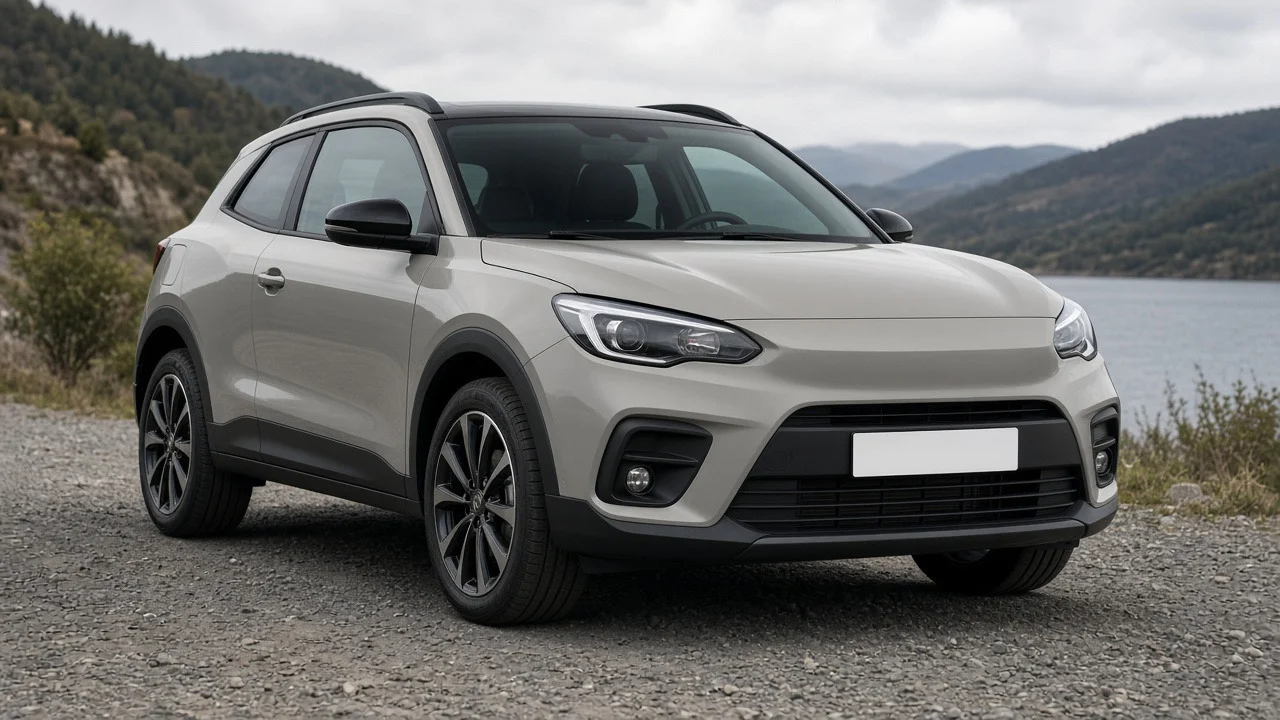
In 2019, Mercedes-Benz's parent company and the Chinese automaker Geely announced a joint venture to take over the Smart brand. Under that ownership, Smart moved to a lineup of larger all-electric models, starting with the Smart #1 compact crossover. As of this writing, these newer models have not been sold in the US.
Smart Fortwo Generations at a Glance
US buyers mostly deal with the second and third generations. Exact dates and powertrains vary by market. The table below reflects the general pattern for the US.
Generation | Internal code | Approximate US availability | US powertrains; First | W450 | Not officially sold new in the US | Small gasoline and diesel engines in other markets; Second | W451 | 2008–2015 model years (gas); limited electric versions | Gasoline three-cylinder with automated manual transmission; Electric Drive variant; Third | W453 | 2016–2019 model years | Turbocharged gasoline three-cylinder (2016–2017); electric only from 2018, later branded EQ Fortwo
How a Smart Fortwo Differs From Other Small Cars
Most subcompact and compact cars are scaled-down versions of a conventional layout: front engine, front-wheel drive, four or five seats. The Fortwo breaks that template in several ways.
Size: The Fortwo is under nine feet long, much shorter than typical subcompacts. Its main appeal is parking. In some places it fits nose-in to the curb where a regular car would need a parallel spot, but whether that is legal depends on local rules. Seating: It holds only two people, and luggage space is limited to a small area behind the seats. Rear-mounted drivetrain: The engine or motor sits under the cargo floor and drives the rear wheels. This frees up cabin room in a very short body and gives the car a tight turning circle. Tridion safety cell: The Fortwo uses a reinforced steel cage, often visible as a contrasting color on the body. It is designed to protect occupants despite the car's small crumple zones. Interchangeable-looking body panels: Many Fortwos use plastic exterior panels that resist minor dents and were offered in a range of color combinations.
Gasoline vs. Electric Versions
Gas-powered Fortwos in the US used small three-cylinder engines. Second-generation cars paired the engine with a single-clutch automated manual transmission. Reviewers widely criticized that transmission for slow, lurching shifts, and it is one of the most common complaints owners raise about that generation. Third-generation gas models used a turbocharged engine with a dual-clutch automatic, and a manual gearbox was also offered. Owners and reviewers generally describe the third generation as noticeably smoother. Fuel economy is reasonable, but given the car's size it is not dramatically better than some larger economy cars. Many US gas models also call for premium fuel, so check the owner's manual for the specific car.
Electric versions, sold as Electric Drive and later EQ Fortwo, suit the car's city-focused design well: quiet, quick from a stop and cheap to run for short trips. Their driving range is modest, even compared with other electric cars from the same years, and charging relies on AC home or public charging rather than DC fast charging. They make the most sense for buyers with predictable short commutes and reliable access to charging.
Driving Character
Around town, the Fortwo is easy to place, park and turn. On the highway, a short wheelbase and light weight mean it can feel busier than a larger car. Reviewers commonly note sensitivity to crosswinds and a firm, choppy ride on rough pavement. It can keep up with highway traffic, but it is not a relaxed long-distance car. Buyers who spend most of their time on interstates usually find a conventional subcompact more comfortable.
What to Consider Before Buying a Used Smart
Service access: Mercedes-Benz dealers traditionally serviced Smart cars in the US. Since the brand's exit, support varies by dealer and region, so confirm a nearby shop will work on the car before you buy. Parts availability: Common maintenance parts are generally obtainable, but some brand-specific body and trim parts may take longer to source. Transmission behavior: On second-generation gas cars, a test drive is the best way to decide whether the automated manual's shift feel is acceptable to you. Battery condition on electric models: Range falls as batteries age, so evaluate the actual usable range of the specific car rather than relying on original figures. Insurance and resale: Costs and demand vary widely by area. A small, discontinued model may have a narrower resale market. Your real driving pattern: The Fortwo rewards short urban trips and tight parking. If you regularly carry more than one passenger, haul cargo or drive long highway distances, it is likely the wrong tool.
Who a Smart Car Makes Sense For
A used Smart Fortwo fits best as a city runabout, a second car for errands or a commuter for someone who parks in dense urban areas. Its strengths are compact size, maneuverability and, in electric form, low running costs on short trips. Its weaknesses are limited space, only two seats, highway comfort and, in the US, the realities of owning a discontinued brand. If those trade-offs match how you drive, it is a distinctive and practical choice. If not, a conventional subcompact or small electric hatchback will likely serve you better.