Chain Drive Differential for Cars
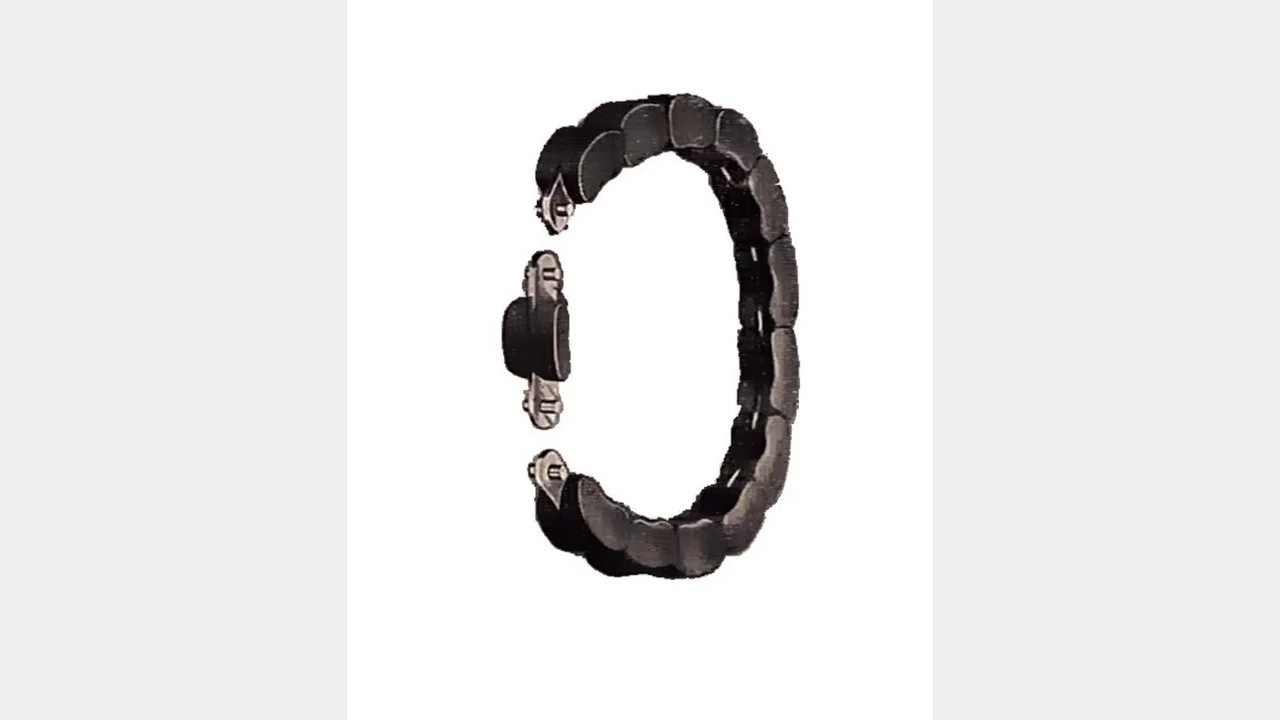
A chain drive car differential replaces the usual gear-to-gear final drive coupling with a roller chain and sprockets. That change moves torque from the driveshaft or transmission output to the differential case while allowing some design flexibility in axle placement and packaging. Enthusiasts and builders researching chain drive car differential often encounter the idea in lightweight rear-wheel-drive layouts, custom suspensions, or converted transaxles. Understanding the mechanism requires separating the chain itself from the differential assembly that still splits torque between wheels.
Essential answer
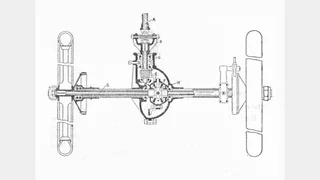
A chain drive car differential is a final drive arrangement in which a chain connects the driving sprocket to a driven sprocket mounted on or integrated with the differential carrier. The differential still performs its normal job, allowing the outside wheel to rotate faster than the inside wheel during a turn. The chain replaces hypoid or helical gear mesh, which changes the path of power delivery rather than the differential function itself. This is not a standard fitment on most production passenger cars, where a ring and pinion is the conventional and durable choice.
In practice, the design appears most often in motorsport, kit cars, or custom rear ends where the transmission or transfer case output is positioned away from the axle centerline. Because the chain wraps around sprockets, it permits a shallower housing profile and can reduce the need for a tall cast gear case beneath the chassis. However, the supporting structure must control chain tension, alignment, and lubrication, and the relevant service history and transmission type affect how the system behaves in real use.