Can You Drive With a Bad Rear Differential
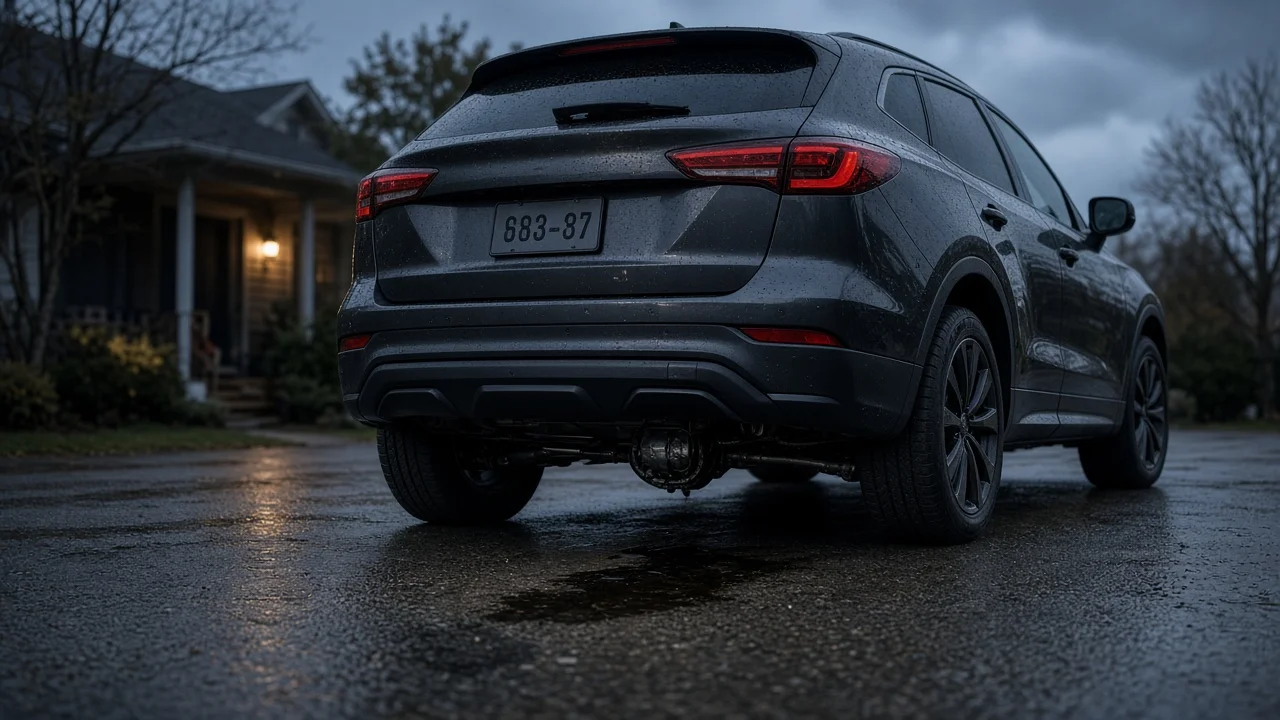
A failing rear differential changes how a vehicle behaves the moment torque reaches the rear axle. Drivers often notice a low-pitched howl, a rhythmic clunk when lifting off the throttle, or a binding sensation during tight parking lot turns. The question is rarely whether the noise exists, but how long the vehicle can safely continue in that condition. While a short limp to a repair facility may be possible, the risk of a sudden lockup, broken gear fragments, or loss of control means continued operation is a calculated gamble that usually worsens the final repair bill.
Essential answer
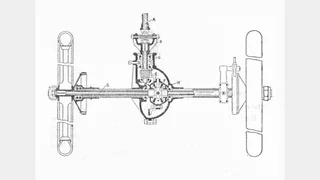
Technically, you can drive a car with a bad rear differential for a short distance at low speed, but doing so is not safe or economical as a routine practice. The differential converts driveshaft rotation into axle rotation while allowing the rear wheels to turn at different speeds through a corner. When bearings, gear teeth, or the carrier begin to fail, that controlled motion turns into metal-to-metal contact. A catastrophic failure can lock the rear wheels without warning, especially under acceleration or during a turn, creating a serious skid risk.
The scope of the problem depends on the failure mode. A worn bearing may growl for weeks, while a chipped ring gear tooth can progress to total destruction within a few miles. Fluid condition, service history, and the presence of metal flakes in the gear oil offer useful clues, but the only reliable way to interpret diagnostic codes or unusual shift behavior on vehicles with integrated drivetrain electronics is vehicle-specific inspection. If the differential is binding, grinding, or leaking heavily, the safest choice is to stop driving and arrange a tow.