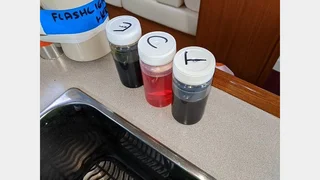
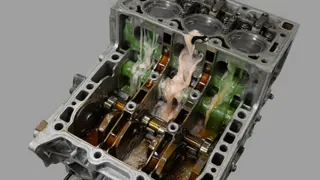
Cat 3406E oil in the coolant
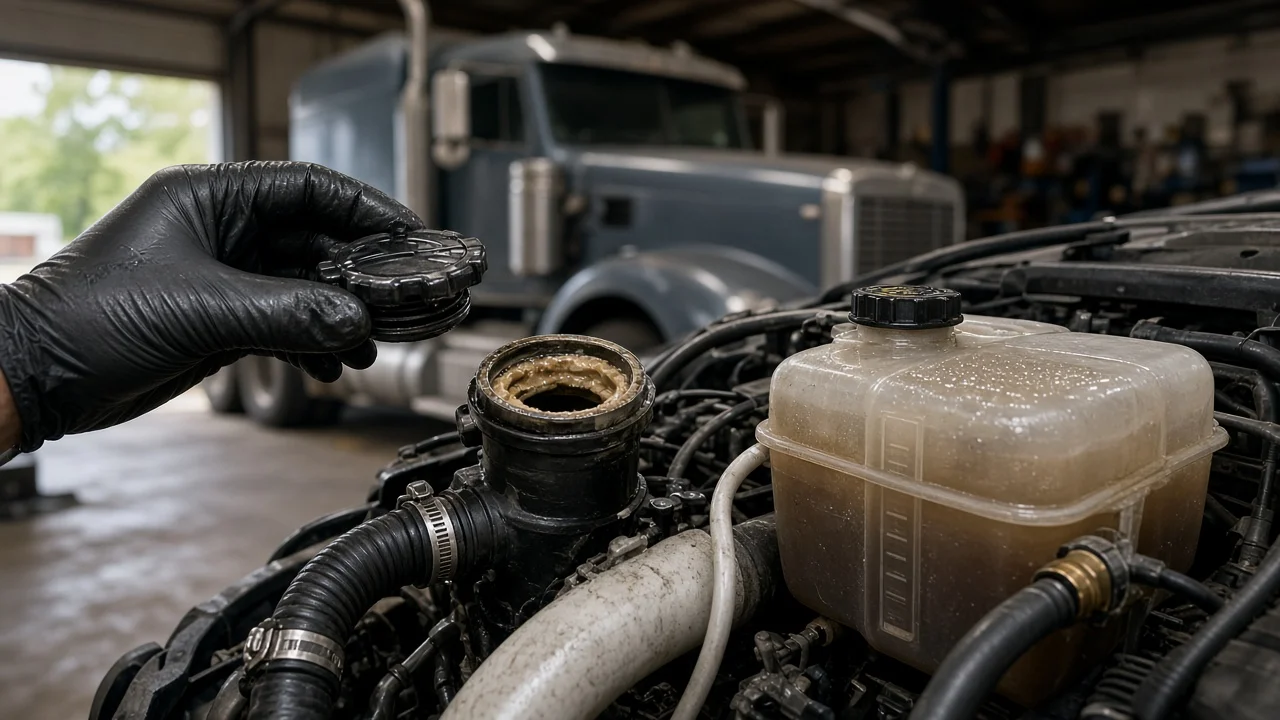
Oil mixed into the coolant of a Cat 3406E usually points to a sealing or structural failure between the lubrication and cooling systems, not a normal operating condition. The appearance often shows up as a milky residue in the radiator, a sludge-like film under the fill cap, or dark streaks floating in the deaeration tank. Because the 3406E uses engine oil to lubricate high-load components and coolant to manage cylinder and head temperatures, any crossover between these fluids deserves prompt diagnosis. Identifying whether the contamination is oil-in-coolant only, or moving in both directions, helps narrow the likely failure before major damage occurs.
Essential answer
Oil in the coolant of a 3406E is most commonly associated with the engine oil cooler, a component that places oil and coolant in close contact to control lubricant temperature. When internal corrosion, gasket deterioration, or a cracked core develops, oil can push into the cooling system because oil pressure is typically higher than coolant pressure during operation. The result is a floating oily layer or emulsified residue in the radiator, surge tank, or coolant filter area. The condition is a symptom of a failed barrier rather than proof that one specific part is defective.
Coolant contamination can also appear when a head gasket breach or a cracked cylinder head opens a path between pressurized oil passages and coolant jackets. In a 3406E, this may develop after overheating, improper torque retention, or mechanical stress. A diagnostic check should confirm whether combustion gas is also entering the cooling system, because a combustion leak changes the repair path significantly. Start by inspecting the oil cooler and cooling system pressure behavior before assuming the most expensive failure, since accessible sealing points and the cooler core are common crossover locations.