Car Theft Prevention Devices and Systems Explained
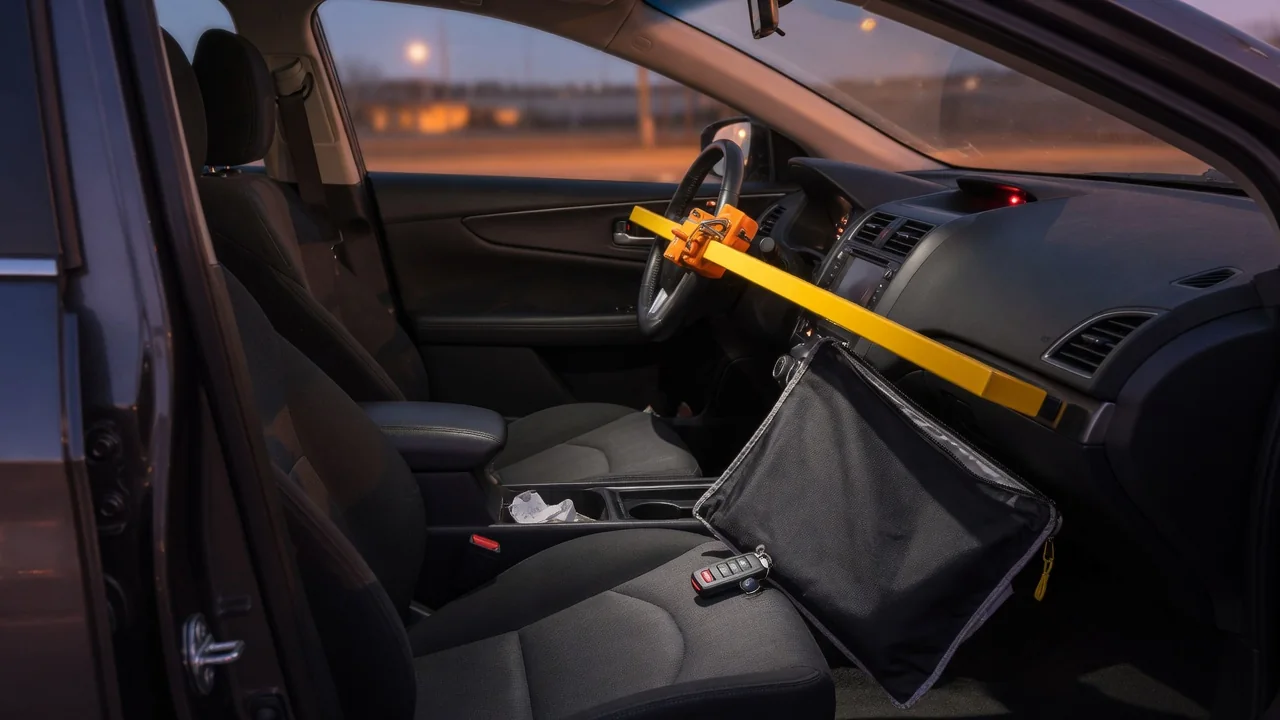
Car theft prevention devices range from simple steering wheel locks to connected tracking services, and each one tackles a different part of the problem. This guide explains how the main types work, where each fits within a wider car theft prevention system, and how to choose a sensible combination for your vehicle, your parking situation and the way you use your keys.
How Car Theft Prevention Devices Work Together in Layers
Anti-theft equipment serves four broad goals. Some devices deter an attempt by making the vehicle look like hard work. Others delay entry or driving away, costing a thief time they may not want to spend. A third group alerts the owner or bystanders that something is happening, and a fourth helps with vehicle recovery after the car is gone. Knowing which goal a product serves makes it easier to see what gap it actually fills.
One device is rarely enough because each can be defeated or bypassed in isolation. Pairing a visible anti-theft deterrent with an electronic barrier forces a thief to solve two different problems, which makes the car a less attractive target than the one beside it. Nothing makes a vehicle theft-proof, and the right mix depends on the car, where it is parked and how it is accessed. Before buying anything, check the owner's manual or ask a dealer which factory security features are already fitted.
Mechanical Deterrents: Steering Wheel, Pedal and Wheel Locks
A steering wheel lock clamps across or around the rim so the wheel cannot be turned freely. A pedal lock holds the brake or clutch pedal in place, a gear shift lock keeps the selector from moving, and a wheel clamp physically stops a road wheel from rotating. Much of their value is visual: a brightly colored lock seen through the glass tells a thief the job will take extra time and tools, which can be enough to send them toward another vehicle.
Daily use decides whether a mechanical lock actually gets fitted. Consider how long it takes to attach, where it will be stored in the cabin so it cannot slide under the pedals, and whether it suits the shape of your steering wheel or pedal box. Padded contact points help avoid marks on leather and trim. Always remove the lock completely before starting or moving the vehicle, and never fit one while the car is running.
Electronic Car Theft Prevention Systems: Immobilizers, Alarms and Kill Switches
A factory engine immobilizer generally works by pairing a coded key or fob with the vehicle's electronics, so the engine will not run unless an authorized key is recognized. Whether a particular car has one should be confirmed for that vehicle rather than assumed. A car alarm system typically monitors door, hood and trunk opening, and some add sensors for cabin movement or tilt. Alerts may come through a siren or a notification in a connected car app.
Aftermarket immobilizers and a hidden kill switch can add another layer by interrupting a circuit the car needs to start or run until the owner takes a specific action. These electronic car theft prevention systems tie into vehicle wiring, so installation belongs with a qualified installer rather than a home project. Poorly fitted electronics can cause electrical faults, battery drain or warranty questions, so speak to the dealer or installer about how the work may affect your vehicle before committing.
Protecting Keyless Entry and Key Fobs
Keyless entry and push-button start rely on the car and fob communicating wirelessly, and that convenience means the signal itself can become a target for theft without the physical key ever being taken. Keyless entry protection focuses on limiting when the fob can be heard. A signal-blocking pouch or box shields the fob, and storing keys well away from doors and windows at home helps too. Some vehicles also offer a setting that puts the fob to sleep or turns off passive entry; the owner's manual will say.
Key fob security also means knowing where every key is. Keep track of spares, report a lost fob to the dealer, and ask whether missing keys can be removed from the vehicle's system so they no longer work. Test a pouch safely by sealing the fob inside, standing by the parked car and confirming it neither unlocks nor starts. Shielding fabric can wear at the folds and seams, so repeat the check occasionally and replace a pouch that fails or looks worn.
GPS Trackers and Connected Recovery Features
A GPS vehicle tracker or a factory connected-car service reports the vehicle's position, which can help locate it after a theft. That makes these tools mainly about recovery rather than prevention, since they usually act once the car is already moving. Common features include location alerts, geofencing that flags travel outside a set area, and movement notifications. Hardwired units draw vehicle power and can be concealed, plug-in units are simple but easy to find, and battery-powered units hide almost anywhere but need recharging or replacement.
If the vehicle is stolen, report it to police and share the location data with them. Let law enforcement handle recovery; do not confront anyone or attempt to retrieve the car yourself, because the situation can be dangerous. The account behind the tracker deserves protection as well, since it reveals where the car is. Use a strong, unique password and two-factor authentication on vehicle apps, and remove your access and any linked accounts when you sell the car.
Choosing the Right Theft Prevention System for Your Vehicle and Situation
Start with an honest look at your own risk. Overnight street parking, a shared driveway, keyless access and long periods when the vehicle sits unattended each raise exposure in different ways. Then match device types to those risks. A keyless car parked outdoors might suit a visible steering lock combined with fob protection, while a vehicle left for weeks could benefit more from an immobilizing layer and a tracker. Factory equipment varies by make, model and year, so confirm what yours already has.
It is worth asking your insurer whether any approved security devices are recognized on your policy, since requirements and any benefit differ between companies and are never guaranteed. When speaking to a professional installer, ask exactly what the system does, how it is powered, how it behaves if the vehicle battery runs low, and how it can be serviced or removed later. Request written documentation covering the installation, operating instructions and any warranty, and keep it with your vehicle records.
Everyday Habits That Make Anti-Theft Devices More Effective
Devices only work alongside consistent habits. Lock the doors every time, close the windows and sunroof, and never leave the vehicle running unattended, even for a quick errand or a winter warm-up. Keep valuables, spare keys and vehicle documents out of the cabin. Visible bags invite a break-in, a spare key inside can defeat every other layer, and paperwork left in the glovebox can hand a thief useful personal details.
Parking choices help as well. Favor well-lit areas with passing foot traffic, use a garage where one is available, and position the car so a steering lock is clearly visible from outside. Preparation speeds up reporting if the worst happens: keep a VIN record, the license plate number and recent photos of the vehicle, including any distinguishing marks. Store tracker or app login details somewhere safe away from the car so you can pass accurate information to police and your insurer quickly.