Car Subwoofer Capacitor: Do You Need One
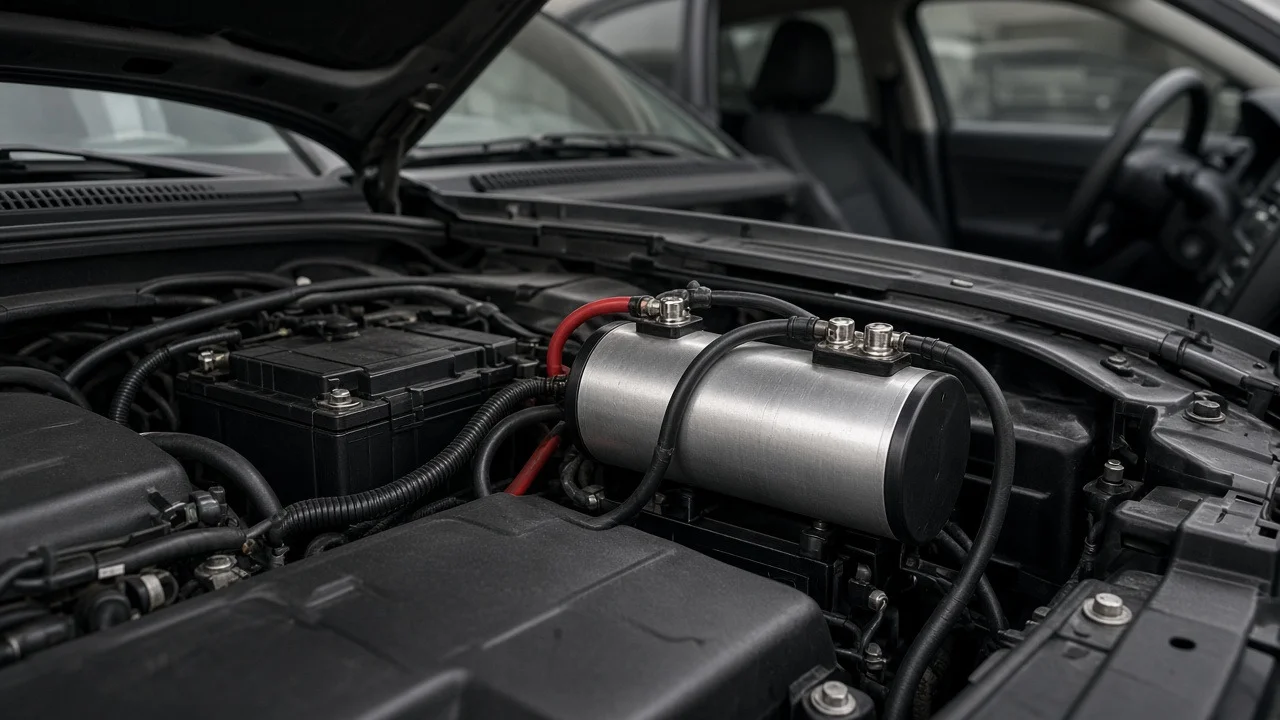
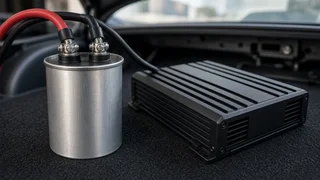
When bass hits hard, headlights may dim and amplifier output can become unstable. A car subwoofer capacitor is often promoted as the fix, but the real answer depends on why the electrical system sags under demand. This accessory stores charge near the amplifier and releases it quickly during musical peaks, which can reduce voltage drops in some installations. However, it does not create power from nothing. For many vehicles and systems, better wiring, a stronger battery, or a higher-output alternator matters more than adding capacitance.
Essential answer
For most listeners, a dedicated capacitor is not a required part of a subwoofer system. It becomes worth considering only after a specific symptom appears: the amplifier briefly loses supply voltage during deep bass notes even though the main wiring is solid. In that situation, a capacitor near the amp can deliver short bursts of current faster than the battery and alternator can respond through a long cable run. Without that narrow condition, adding one usually masks a deeper charging-system or connection issue rather than solving it.
The useful role of a capacitor is energy storage for transient demand, not continuous power support. A subwoofer does not draw steady current like a headlight; its amplifier pulls sharp pulses on kick drums and low-frequency sweeps. The vehicle integration question is whether the head unit signal, speaker wiring, and power feed are already correct. If the electrical path from the audio source to the amplifier is healthy and voltage remains stable, the capacitor offers little audible gain. If voltage dips are severe and repeat, the cause may lie upstream in the charging circuit or cable gauge.