Car Importing Laws in Australia: How Vehicle Import Approval Works
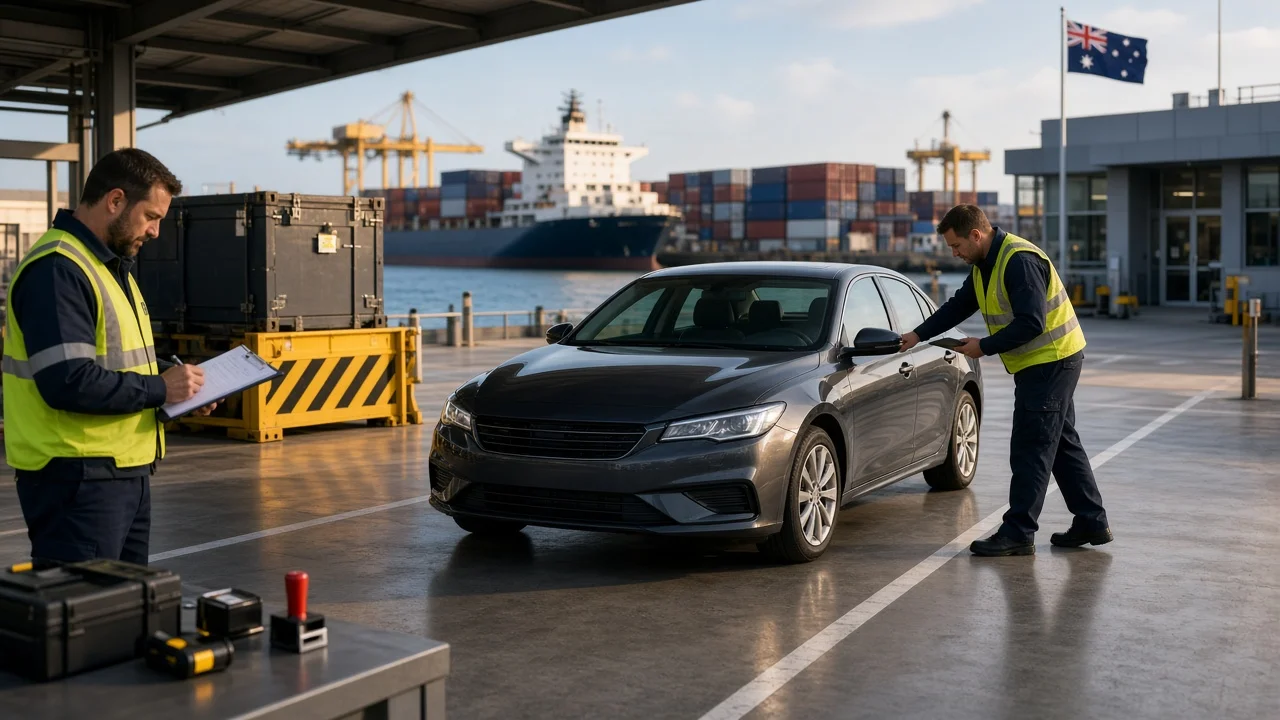
The Short Answer
Australia regulates vehicle imports mainly at the federal level. In general, a road vehicle cannot simply be bought overseas, shipped and registered. The importer usually needs federal import approval before the vehicle is shipped. The vehicle must also qualify through a recognised entry pathway, typically tied to the national Register of Approved Vehicles. Approval to import is only the first step. The vehicle must still clear border, biosecurity and tax requirements, and then be registered under the rules of the state or territory where it will be driven.
This guide covers the general framework. It is based on widely documented principles, not on figures from a specific case. Eligibility cut-off dates, fees, duty and tax rates, and processing times are not given here. Those details change and depend on the vehicle and the importer, so confirm them with the responsible Australian authorities before committing money.
What the Law Covers
The core legislation is the Road Vehicle Standards Act and its associated rules, which replaced the older motor vehicle standards regime. The framework aims to ensure that vehicles entering the Australian market meet national safety, emissions and anti-theft standards, known as the Australian Design Rules. It applies to new and used vehicles, whether they are imported commercially or by private individuals.
The phrase "car importing laws" covers several separate obligations, handled by different bodies:
Vehicle standards and import approval: administered by the federal department responsible for road vehicle standards. Customs clearance, prohibited goods and duties: handled through the Australian Border Force. Biosecurity inspection and cleaning: managed by the federal agriculture and biosecurity authority. Road registration and roadworthiness: handled separately by each state or territory transport authority.
Entry Pathways
A vehicle generally needs to qualify through an approved route. The main routes are outlined below. Exact eligibility criteria, including age thresholds and ownership-period requirements, should be checked against current official guidance.
Pathway | General purpose | Typical relevance; Type-approved vehicles on the Register of Approved Vehicles | Vehicles already approved as compliant with Australian standards | Mainly new vehicles supplied for the Australian market; Specialist and Enthusiast Vehicle Scheme (SEVS) | Eligible low-volume, specialist or enthusiast models not otherwise offered in Australia | Often relevant to used imports, such as certain Japanese-market models, with modification and verification by an approved workshop; Concessional pathways | Limited routes for specific circumstances | May include older vehicles, certain personally owned and used vehicles, and vehicles for specific purposes, each with its own conditions
Under the specialist pathway, the vehicle model usually needs to be listed as eligible. The individual vehicle then typically has to be checked and, where needed, modified by a Registered Automotive Workshop before it can be entered on the register. Whether a given car qualifies can depend on its model, variant, model year and market of origin. Two cars that look similar may therefore be treated differently.
Border Requirements Beyond Import Approval
Even with import approval, the vehicle must still clear the border. Several requirements commonly apply:
Asbestos: Australia prohibits importing goods containing asbestos. This has affected vehicles with older or non-original components, such as some brake, clutch and gasket parts. Importers may need evidence that the vehicle is asbestos-free. Biosecurity: vehicles must arrive clean, free of soil, plant material, insects and other contaminants. Inspections, and cleaning or treatment, may be required. Seasonal pest measures can apply to shipments from certain countries. Duties and taxes: imported vehicles may be subject to customs duty, Goods and Services Tax and, for vehicles above a set value threshold, Luxury Car Tax. Rates, thresholds and exemptions are not covered here and should be confirmed. Air-conditioning refrigerants: vehicles with air-conditioning that contains regulated synthetic greenhouse gases may trigger additional import controls. Check whether this applies to your vehicle.
Registration Is a Separate Step
Federal approval and register entry make a vehicle eligible to be supplied to the Australian market. They do not register the car for road use. Registration is handled by the relevant state or territory, which may require roadworthiness inspections, identity checks or other conditions. Left-hand-drive vehicles in particular can face restrictions or extra conditions that vary by jurisdiction.
How It Differs From the US Approach
Readers familiar with US import rules often think in terms of a single vehicle-age exemption. Australia's system is structured differently. It centres on obtaining approval and entering the vehicle on a national register through one of several defined pathways. Age is one possible factor, not the whole test. Australia also enforces border controls that US importers may not expect to matter as much, notably the strict asbestos prohibition and thorough biosecurity cleanliness requirements. Treat any US-based assumption about eligibility as unverified until checked against Australian rules.
Practical Next Steps
Identify the exact vehicle: make, model, variant, model year and market of origin. Check which entry pathway, if any, it fits, and what that pathway requires. Obtain any required import approval before the vehicle is shipped. Arrange asbestos assurance and pre-shipment cleaning for biosecurity. Estimate duty, GST and any Luxury Car Tax using current official figures. Confirm state or territory registration requirements where the vehicle will be used. Consider using a licensed customs broker or an approved workshop for specialist imports.
Information Gaps
This overview does not include specific eligibility dates, ownership-period requirements, fees, tax rates, value thresholds or processing times, because no confirmed figures were available for it. These details decide whether an import is permitted and how much it will cost, so verify them with the federal vehicle standards authority, the Australian Border Force and the relevant state or territory transport agency before buying or shipping a vehicle.