Car Import Customs Clearance Process in the US: What It Involves
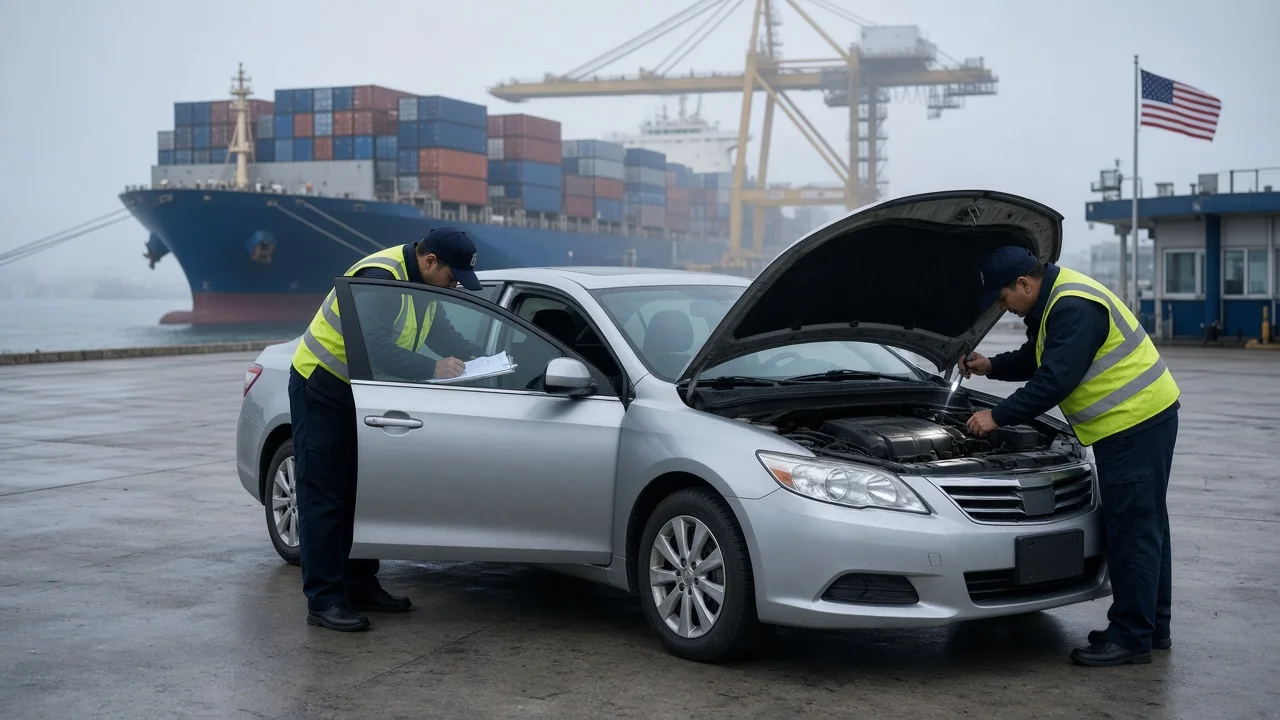
Importing a car into the United States means clearing it through customs and also proving it meets federal safety and emissions requirements. Customs clearance is the step where U.S. Customs and Border Protection (CBP) accepts the vehicle into the country. Clearance usually depends on paperwork for two other agencies: the Department of Transportation (DOT), which oversees safety standards through the National Highway Traffic Safety Administration (NHTSA), and the Environmental Protection Agency (EPA), which oversees emissions. This guide explains how those pieces fit together. It does not give current duty rates, fees or processing times, because no verified figures were available for it.
The short answer
A car is cleared through U.S. customs when the importer files the required entry documents with CBP at the port of arrival, pays any duty owed, and shows that the vehicle either complies with federal safety and emissions standards or qualifies for an exemption. The most important factor is whether the vehicle was originally built to U.S. standards. A car made for the U.S. market and returning to the country is usually the simplest case. A car built only for a foreign market can be much harder to import, unless it qualifies through its age or is brought into compliance through an approved route.
Who is involved
U.S. Customs and Border Protection (CBP): processes the entry, collects any duty, and releases the vehicle at the port. NHTSA / Department of Transportation: sets the Federal Motor Vehicle Safety Standards (FMVSS), which are the federal safety rules a road vehicle must meet. Environmental Protection Agency (EPA): sets the federal emissions requirements a vehicle must meet. Customs broker (optional): a licensed agent the importer can hire to prepare and file the entry paperwork. Registered Importer (optional): a business registered with NHTSA that can modify a non-conforming vehicle to meet U.S. safety standards, where that is permitted.
Core documents in a typical entry
The exact paperwork depends on the vehicle and the importer's situation. The items below are the ones most commonly involved in a U.S. vehicle entry.
Document | Purpose; Bill of lading (or other shipping document) | Shows the vehicle was shipped to the importer and identifies the shipment; Proof of ownership (such as a foreign title or registration) and bill of sale | Establishes who owns the vehicle and supports its declared value; CBP entry forms (including the entry summary, CBP Form 7501) | The formal customs declaration used to process the entry and assess duty; DOT Form HS-7 | Declares the vehicle's status under federal safety standards, such as U.S.-conforming, exempt, or entering through a Registered Importer; EPA Form 3520-1 | Declares the vehicle's status under federal emissions requirements, such as conforming or exempt
How the process generally unfolds
1) Confirm eligibility before shipping. Find out whether the vehicle conforms to U.S. safety and emissions standards. Conforming vehicles often carry manufacturer labels stating this. If the vehicle does not conform, check whether it qualifies for an exemption or a compliance route. 2) Arrange shipping and gather documents. Collect ownership papers, the bill of sale and shipping documents, and prepare the DOT and EPA declarations. 3) File the customs entry. The importer or a customs broker submits the entry to CBP at or before the vehicle's arrival. 4) Pay duty and any applicable fees. The amount depends on the vehicle, its declared value, its origin, and the tariff rules in force at the time of entry. 5) Clear inspection and release. CBP may examine the vehicle and documents before releasing it. A vehicle admitted under a conditional route, such as through a Registered Importer, may face more steps before it can be registered for road use. 6) Register the vehicle in the destination state. State titling and registration are separate from federal customs clearance and have their own requirements.
Why the vehicle's origin and age change the answer
The biggest variable is compliance status. A vehicle built to U.S. federal standards generally needs the least work at the border. A vehicle built only for another market usually cannot be imported for regular road use unless one of the following applies:
It is brought into compliance through a Registered Importer, for models NHTSA has determined eligible. It is old enough to qualify for an age-based exemption. It enters under another recognized exemption, such as certain temporary-import or display arrangements, each with its own conditions.
Federal safety rules have long exempted vehicles at least 25 years old from the safety standards, and EPA has a separate age-based exemption for emissions. Age thresholds and exemption conditions can change, and they are measured from the date of manufacture. Confirm the current rules with NHTSA and EPA before buying a vehicle on the assumption that it qualifies.
Duty and tariffs
Imported vehicles are generally subject to customs duty. The rate depends on the vehicle type, its country of origin, and the tariff measures in effect on the date of entry. Vehicle tariffs have changed in recent years, so older published rates may no longer apply. No verified current rates were available for this guide. Check the applicable rate with CBP or a licensed customs broker before you commit to a purchase or shipment.
Gaps to resolve before you ship
Current duty rate and fees for your specific vehicle and country of origin. Whether your exact model, model year and market version conforms to U.S. standards or qualifies for an exemption. Typical processing time at your intended port of entry. Your destination state's titling, registration and emissions requirements, which can be stricter than federal rules.
Settling compliance and duty questions before the car leaves its origin country is the most practical way to avoid a vehicle being held, re-exported or refused at the port. Where the vehicle's status is unclear, a licensed customs broker, or a Registered Importer for non-conforming vehicles, can confirm the route that applies.