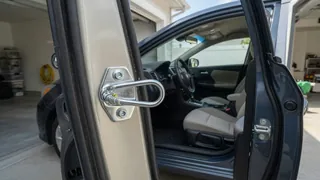
Car door striker covers and rubber bumpers
A worn or missing cover around the door latch striker can change the way a door closes, letting the mechanism sound metallic and exposing the mounting area to moisture and debris. Drivers often notice a faint rattle or a less solid feel when shutting the door, especially after years of use. Choosing the correct car door striker cover, plate cover, or rubber bumper means checking the existing striker shape, the attachment style, and the condition of the surrounding sheet metal before buying a replacement.
The direct answer
The most useful first step is to match the replacement part to the striker loop or plate shape on the vehicle rather than assuming a universal cover will fit. A car door striker rubber bumper wraps around the latch anchor to quiet closure and protect the painted jamb, while a striker cover often hides the mounting bolts and provides a cleaner look. If the original cover is cracked, the door may still latch securely, but the loose plastic or rubber can catch on the latch and create noise. For a simple visual refresh, choose a cover that follows the existing profile closely.
Fit depends on the design of the striker plate and the room around the B-pillar or door frame. Some vehicles use a metal striker plate with a plastic dress cover snapped over it; others rely on a molded bumper that cushions the door in the closed position. Before buying, inspect whether the current part is a soft rubber cushion, a rigid trim cover, or a combined piece. A replacement should seat without forcing the latch out of alignment. If the door is already difficult to close, a new bumper may help only when the original material has compressed or split.