Car air conditioning service interval
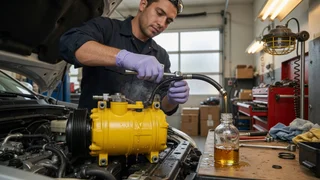
A car AC service interval is not a single fixed mileage for every vehicle. Instead, it is a maintenance checkpoint recommended by the automaker to inspect refrigerant level, cooling performance, cabin filter condition, and system operation. Because air conditioning load changes with climate and use, many schedules describe both time and mileage or list air conditioning checks as part of broader scheduled service items. The goal is to catch slow refrigerant loss, reduced airflow, odd odors, or compressor concerns before cooling becomes weak on a hot day. The owner’s manual and the vehicle’s maintenance record provide the most reliable starting point for your particular model.
Essential answer
There is no universal car AC service interval that applies to every make and model. Automakers typically fold air conditioning checks into the manufacturer schedule as a periodic inspection of vent temperature, refrigerant charge, drive belt condition, and condenser airflow. The interval may be stated in time and mileage, such as every year or every certain number of miles, but the wording varies by brand and platform. In many cases, the service is condition-based rather than a fixed replacement item, meaning the system is inspected and serviced only when cooling performance, noise, or odor suggests a problem.
Driving conditions change how often attention is useful. A vehicle operated in sustained heat, stop-and-go traffic, dusty areas, or high humidity can load the system more heavily than one used mainly on mild highway drives. These operating conditions can make an annual inspection of refrigerant pressure and condenser cleanliness more practical, without meaning the compressor or receiver-drier needs replacement on that same schedule. The maintenance record should note when the cabin filter was changed and when refrigerant performance was checked, because both contribute to an air conditioning system that cools promptly and keeps the windshield clear in defrost mode.