Can You Check Fuel Pressure with a Tire Gauge
Using a tire gauge on a fuel system is a common curiosity, but it can create more problems than it solves. The question is whether the simple pencil or dial tool kept in a glovebox can measure gasoline pressure safely and accurately. Fuel pressure and tire inflation pressure are different in scale, media, and connection method. A tire gauge is not built for flammable liquid or the higher pressures found in many port-injection systems. Understanding the tool mismatch helps explain why this shortcut is generally not recommended, even when a temporary reading seems possible.
Essential answer
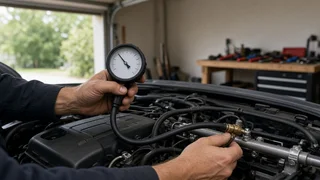
You can physically press a tire gauge onto a Schrader valve on a fuel rail, but the reading is unreliable and the method is unsafe. Tire gauges are designed for air, not gasoline. The seals and internal materials may swell or degrade when exposed to fuel. Most important, gasoline is volatile, and a spray or leak near a hot engine creates a fire hazard. A tire gauge also lacks the range and damping needed to interpret injector pulse fluctuations. It may show a static number without telling you whether the pump can hold volume under load.
The safer and more accurate approach is a dedicated fuel pressure test kit with a hose, proper fitting, and a gauge rated for liquid fuel. These kits usually include a bleed valve so you can release pressure into a container instead of spraying fuel into the engine bay. If you only need a quick roadside check, a loaner tool from a parts store is a better choice than improvising with a tire gauge. The measurement you get from a tire gauge is not worth the risk of a fire or a false diagnosis.