Can a water pump cause overheating
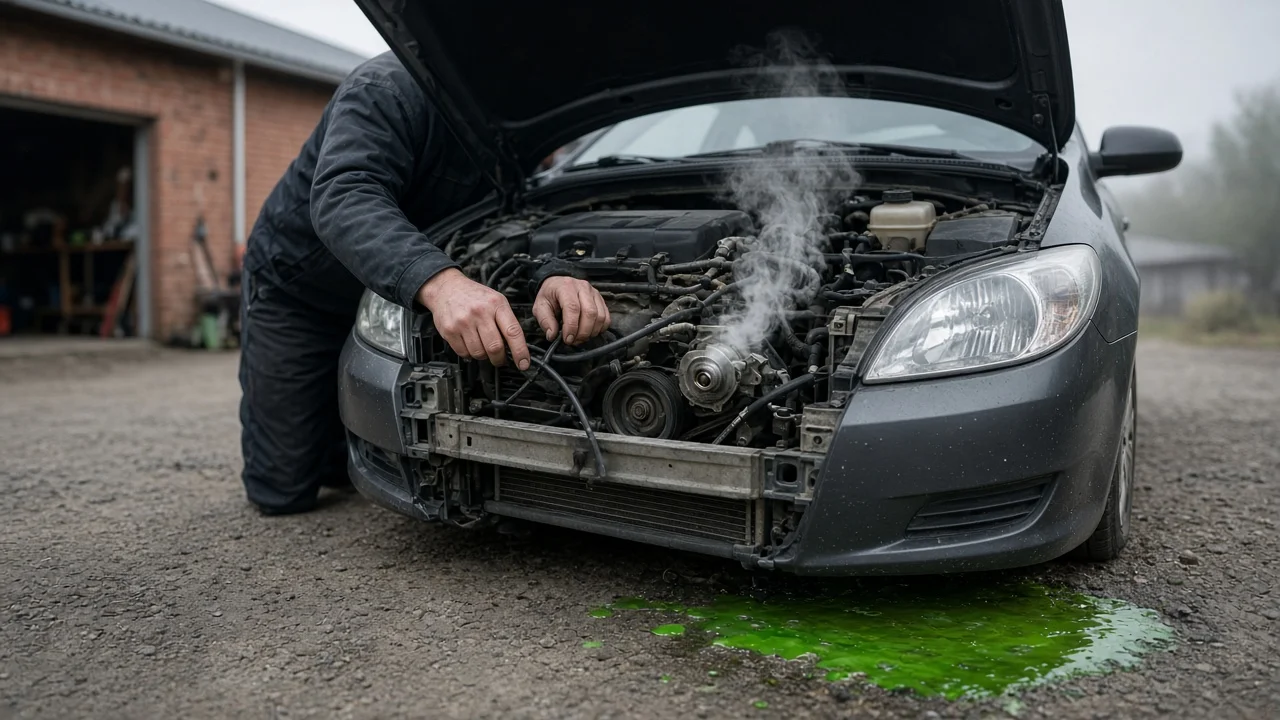
A failing water pump is a common and serious cause of engine overheating, though it is not the only possible culprit. The pump is the heart of the cooling circuit, continuously moving coolant between the engine and the radiator. When its impeller breaks, its bearing wears, or its seal fails, circulation slows or stops. Hot coolant then remains trapped in the engine, and temperatures rise quickly. Recognizing how the pump contributes to heat management helps you interpret symptoms and avoid confusing its failure with a stuck thermostat, clogged radiator, or low coolant.
Direct answer
Yes, a water pump can directly cause a car to overheat. The pump does not lower temperature by itself; it maintains the flow that lets the radiator shed heat. If the internal impeller slips on the shaft, erodes, or breaks, the coolant may move too slowly even when the belt and pulley appear normal. The engine then develops hot spots before the temperature sensor reflects the full rise, and the gauge may climb steadily under load or at idle.
However, overheating symptoms are shared among several cooling system failures. A water pump leak often leaves coolant residue near the weep hole or drive area, while a thermostat that sticks closed produces rapid heat-up with little flow through the upper hose. Air pockets from low coolant or a weak pressure cap can also interrupt circulation. Therefore, a pump should be suspected when flow is poor, leaks are visible, or bearing noise accompanies rising temperature, but other restrictions should be ruled out first.