Can a Bad Water Pump Cause Overheating
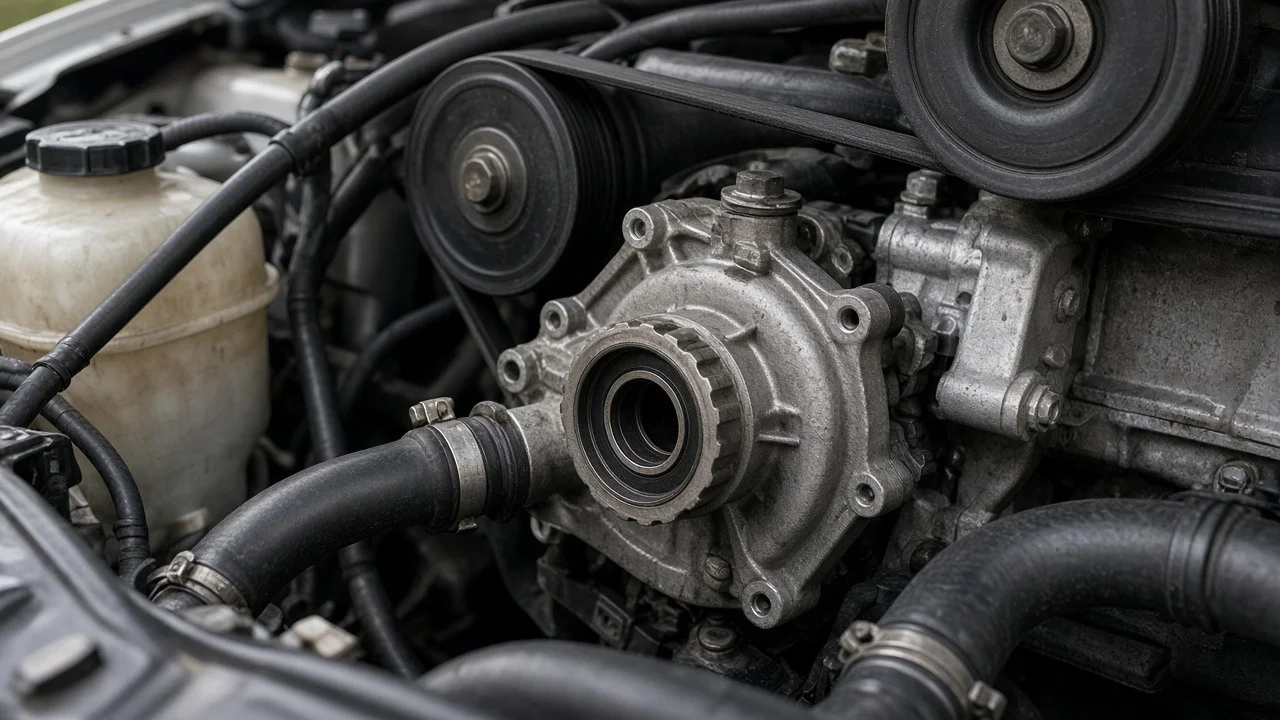
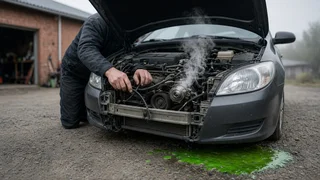
A failing water pump can absolutely cause a car to overheat because it stops moving coolant through the engine and radiator. When the pump impeller wears, leaks, or loses drive, heat is trapped in the block and cylinder head instead of being rejected at the radiator. This often shows up as a rising temperature gauge after sustained driving, coolant loss near the front of the engine, or a rumbling bearing noise. Because several cooling circuit faults create similar symptoms, the pump must be interpreted alongside the thermostat, pressure cap, and coolant level rather than assumed as the sole cause.
Direct answer
Yes, a bad water pump will make your car overheat once it can no longer circulate the required volume of coolant through the engine and radiator. The pump uses an impeller to push heated coolant out of the block toward the radiator, where airflow removes heat before the fluid returns. If the impeller becomes corroded, slips on its shaft, or is starved by air pockets, flow drops. The temperature sensor then sees hotter metal and the gauge climbs, often while the radiator itself remains oddly cool because the hot fluid is not reaching it.
The risk is not limited to a seized pump with an obvious leak. A worn bearing can allow the shaft to wobble, reducing impeller efficiency long before the seal drips. Similarly, a failing drive belt or tensioner can make a good pump turn slowly. Because the engine may still cool at idle and overheat only under load, watching the gauge after highway acceleration or hill climbing is useful. A vehicle-specific check of the drive type, weep hole, and coolant condition helps confirm whether the pump is truly responsible or whether a stuck thermostat or restricted radiator is creating the same behavior.