Camshaft Phaser Locking and Timing Chain Tools
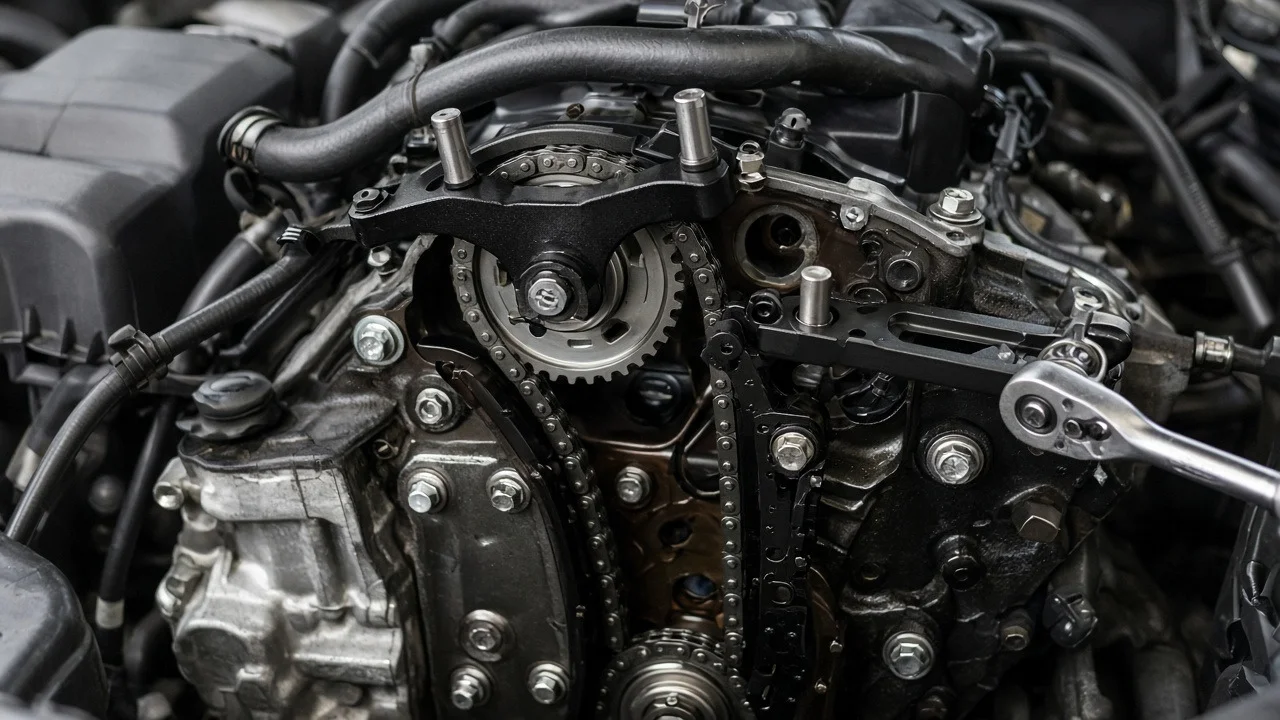
A camshaft phaser tool is a service implement used to hold, rotate, or lock variable valve timing actuators while timing chain work is performed. Choosing the right phaser locking and timing chain tools matters because engine configuration, sprocket design, and actuator position all affect fitment. A tool that does not engage the component correctly can slip, damage the phaser, or make cam timing verification unreliable. This guide explains what to look for when selecting a set and how to judge whether a particular camshaft phaser timing chain tool matches your engine before you buy.
The direct answer
The core purchase decision is whether the camshaft phaser tool physically matches the actuator and sprocket arrangement on the engine being serviced. Most designs work by engaging machined flats, pin holes, or cast webs on the phaser so it remains stationary while the center bolt or timing component is handled. Before ordering, compare the tool profile to the phaser face and confirm the kit includes any required counter-holding adapters for the specific bank or cylinder head position. Fitment is usually the limiting factor, not the general rating of the brand.
A phaser locking tool should also allow repeatable positioning after timing chain installation. If the actuator can move slightly under spring pressure or oil residue, the final relationship between the crankshaft and camshaft may be off even when the chain marks appear lined up. Kits that combine a holding bracket, pin, and chain tensioner tool tend to reduce that uncertainty. When evaluating a set, treat the locking engagement and the ability to verify slack direction as more important than the raw number of pieces in the case.
Consider whether the tool is intended solely for locking or also for controlled rotation during service. Some variable valve timing systems require the phaser to be advanced or retarded slightly to access fasteners or to seat the timing chain properly. A dedicated camshaft phaser locking tool that only prevents movement may not work well for that step. If your engine configuration requires indexed rotation, look for a design with a defined drive pattern rather than a simple wedge or pin arrangement.