Buying Diesel Glow Plugs: Selection and Prices
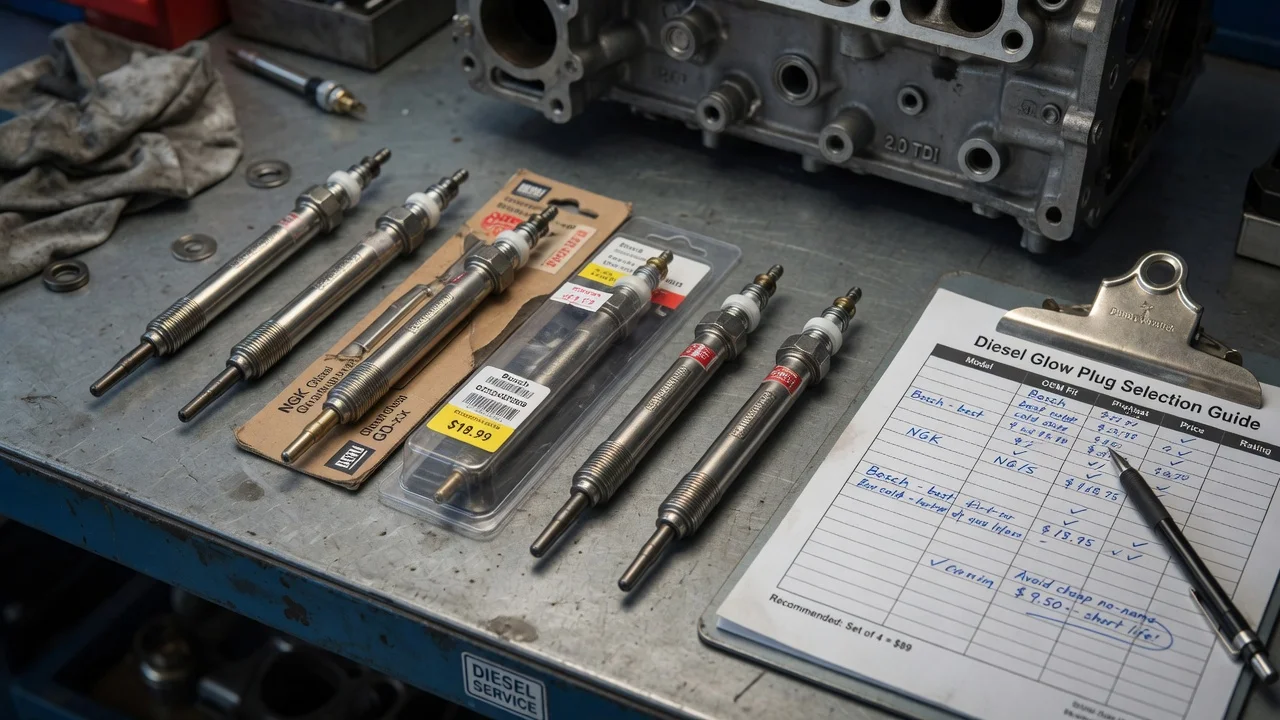
The best diesel glow plugs for your vehicle are the ones that match your engine, not the ones with the boldest packaging. A plug that suits one diesel can burn out early or never heat properly in another. The price on a listing also rarely reflects the full cost once removal, testing and related parts are added. This guide explains what an estimate should cover, what moves the price, how to compare offers fairly and what to confirm before you buy or book the work.
What the estimate includes
Start by separating a parts price from an installed price. A parts-only figure covers the plugs themselves, either a single plug or a full set matching the cylinder count. An installed total should also include labor, any diagnostic time, and the small items disturbed during the job, such as connectors, gaskets or seals on components removed for access. A quote that lists only the plugs and a labor figure may be a partial quote rather than a total, so ask what happens if access or removal turns out to be harder than expected.
Glow plugs are a diesel-only part. They preheat the combustion chamber so compressed air ignites the fuel reliably in cold conditions, and they are not interchangeable with spark plugs from a gasoline engine. Many owners replace the full set at once because the plugs share the same age and wear, but a single failed plug can be replaced if the rest test within specification.
Confirm the diagnosis before pricing parts. Hard starting, rough running when cold and white smoke can come from failed plugs, but they can also come from a weak battery, slow cranking, a clogged fuel filter, air in the fuel, low fuel pressure from a tired fuel pump or a leaking injector. A proper check reads glow plug circuit fault codes and tests each plug for an open circuit or abnormal current draw, and it also tests the controller or relay that powers them.
What changes the cost
Engine configuration is the biggest factor. A four-cylinder needs four plugs, while a V8 needs eight, and plugs on a V engine are often harder to reach under the cab, behind the intake or beneath injector lines. Plug design matters as well. Traditional metal-sheath plugs generally cost less than ceramic plugs, which tolerate higher temperatures and heat faster. Many modern diesels use low-voltage, fast-heating plugs driven by a control module, and some engines use glow plugs with an integrated cylinder pressure sensor, which are typically the most expensive type.
Labor varies with condition and location. Plugs that have been in place for many years can seize from carbon and corrosion, and a tip or body that snaps off during removal can turn a routine job into an extraction requiring special tooling and considerably more time. Shop rates differ by region and by whether you use a dealer, an independent garage or a diesel specialist. A failed control module, relay or damaged wiring harness connector adds parts and diagnostic time beyond the plugs themselves.
System pressure also affects scope. On common-rail engines the injection system operates at very high pressure, so high-pressure fuel lines must never be loosened while the engine is running or immediately after shutdown. If the lines or an injector must be moved for access, the work should follow the manufacturer's service procedure. Some manufacturers specify new lines or seals once they are disturbed, and a leak check after reassembly is part of doing the job correctly, which belongs in the price.
Compare like-for-like options
When you browse diesel glow plugs for sale, compare parts by specification, not by brand reputation alone. Match the part number to your engine code or VIN, then confirm rated voltage, thread size, reach, tip length, heating rate and whether a pressure sensor is required. A plug with the wrong voltage can fail almost immediately under a fast-glow controller or heat too slowly to help starting. Original equipment plugs, the same supplier's aftermarket boxes and economy brands can all appear to fit, so an apparently low price is only meaningful if the specifications are identical.
Compare installation options on equal scope. If several plugs sit behind the same intake or injector lines, replacing the whole set in one visit often avoids paying the same access labor twice. Check whether the warranty covers parts, labor or both, and whether it applies when you supply your own plugs, since many shops will not warranty customer-supplied parts. Fuel additives are not a substitute for replacing a failed plug or repairing a faulty circuit, and they should not be treated as a repair.
Read an itemized quote
A useful quote names the brand and part number, the quantity, and the plug type and voltage. It should show labor hours, ideally with any per-plug figures, a diagnostic fee if one applies, and a separate line for the controller or relay if it was tested or replaced. Look for seals, gaskets, connectors or replacement fuel lines disturbed for access, plus shop supplies, disposal fees and taxes. When the diesel glow plugs price is buried in a single lump sum, you cannot tell whether two offers cover the same work.
Ask directly about exclusions. The most common one is a seized or broken plug, so find out how extraction is charged, whether the shop will stop and call you before proceeding, and what the worst-case scope might involve. Ask how the repair will be verified afterward, for example by clearing codes, rechecking current draw on each plug, confirming a normal cold start and performing a fuel leak check if lines were disturbed.
Decide the next step
Before buying parts or approving work, confirm the fault with codes and electrical tests, and rule out battery, cranking and fuel delivery causes. Get the correct part number from your VIN or engine code, then request at least two itemized quotes covering the same plugs, the same quantity and the same related work, along with a written policy for seized plugs. Plan to replace the full set when access labor is shared.
Avoid shortcuts that cost more later. Do not mix plug voltages or types, reuse damaged connectors, or exceed the specified torque, since glow plugs are easily damaged by overtightening. Never loosen pressurized fuel lines to save time, and do not count on additives to fix a starting problem. Choosing correctly matched plugs and a clearly scoped quote is what keeps the final bill close to the estimate.