Accurate Diesel Glow Plug Selection
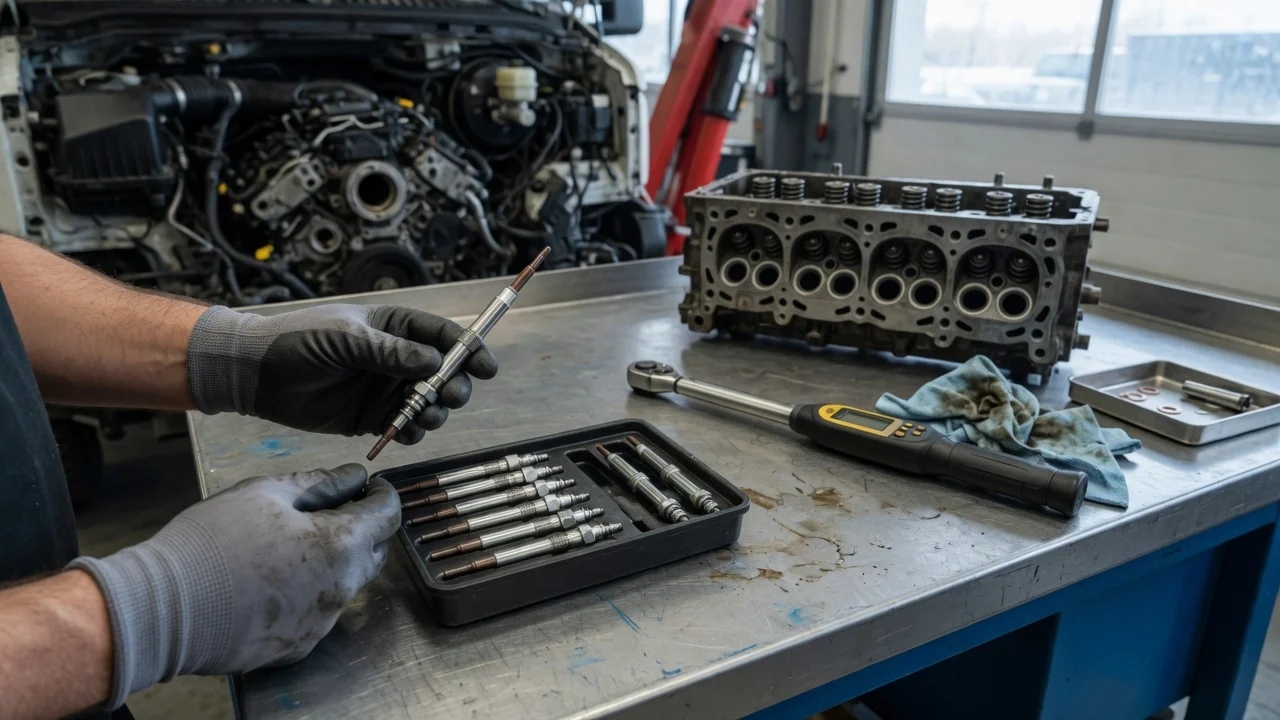
The short answer
The correct glow plug is the one specified for your exact vehicle: make, model, model year, engine code, displacement, fuel system and sometimes trim or emissions package. A plug that fits the thread but has the wrong voltage, heating characteristic, control pressure sensor or tip reach can cause poor cold starts, warning lights or engine damage.
Why glow plug selection has to be specific
A diesel glow plug is not a universal heating element. Modern plugs may include a pressure sensor that reports in-cylinder pressure to the engine control unit, while others are simple single or dual coil heating elements. The controller expects a particular electrical behavior, and the engine expects a specific tip length and heat range for reliable cold starting.
Using the nearest available equivalent is risky. A plug with a different resistance can be turned on too long or too briefly by the glow control module, which may shorten plug life or fail to support a clean cold start.
What to check before buying
Vehicle make, model and model year. Engine code, because the same model can use several diesel engines. Displacement and power output where the catalog lists them separately. Whether the plug is for a common-rail or older indirect-injection engine. Whether the original plug includes a pressure sensor. Rated voltage, such as 5V, 7V, 11V or 12V systems. Thread size, reach and tightening torque for the cylinder head.
Interpreting the specification
A catalog may show the plug's thread size and reach, cone or seat type, and the electrical connector style. The reach affects how far the heated tip extends into the combustion chamber. The seat type affects sealing and torque. Connector differences are less about performance and more about fitment, but all three must match the original equipment.
Pressure-sensor glow plugs should be treated as engine management components, not just heaters. They are replaced with the same sensor type and calibration range, or the engine control unit may receive implausible cylinder pressure values.
Symptoms that point to the wrong or failing plug
Hard starting when the engine is cold. White or blue smoke briefly after a cold start. Rough idle until the engine warms enough to fire without heat assistance. A glow plug warning light that stays on or flashes. Stored fault codes related to a glow plug circuit or cylinder pressure sensor.
These symptoms do not automatically identify which plug is at fault on a multi-cylinder engine. Electrical testing and fault code reading are used to isolate the cylinder before replacement.
Practical selection steps
Start from the vehicle identification number or registration data so the catalog filters the correct model year and engine. Confirm the engine code from the vehicle data label or service documentation. Compare the proposed plug against the original part number, not only against a photo. Check whether the catalog lists the plug as an exact fit rather than a related part. Review the torque specification before installation; overtightening a glow plug can break the tip in the cylinder head.
When the specification is not clear
If the engine code or trim cannot be established from the available data, treat the fitment as unresolved. The options at that point are to obtain the original part number from the removed plug or from a dealer inquiry based on the vehicle identification number. Guessing from visually similar plugs is the main source of incorrect diesel glow plug purchases.
What this means for your decision
Accurate glow plug selection is a fitment decision rather than a brand-first decision. Once the exact specification is confirmed, choose a plug from a manufacturer whose catalog matches that specification for your engine. The safest purchase is the part that is listed as a direct replacement for the original equipment number, especially on engines with pressure-sensor glow plugs.