Buying a Used Car As Is: Returns, Faults and Your Rights
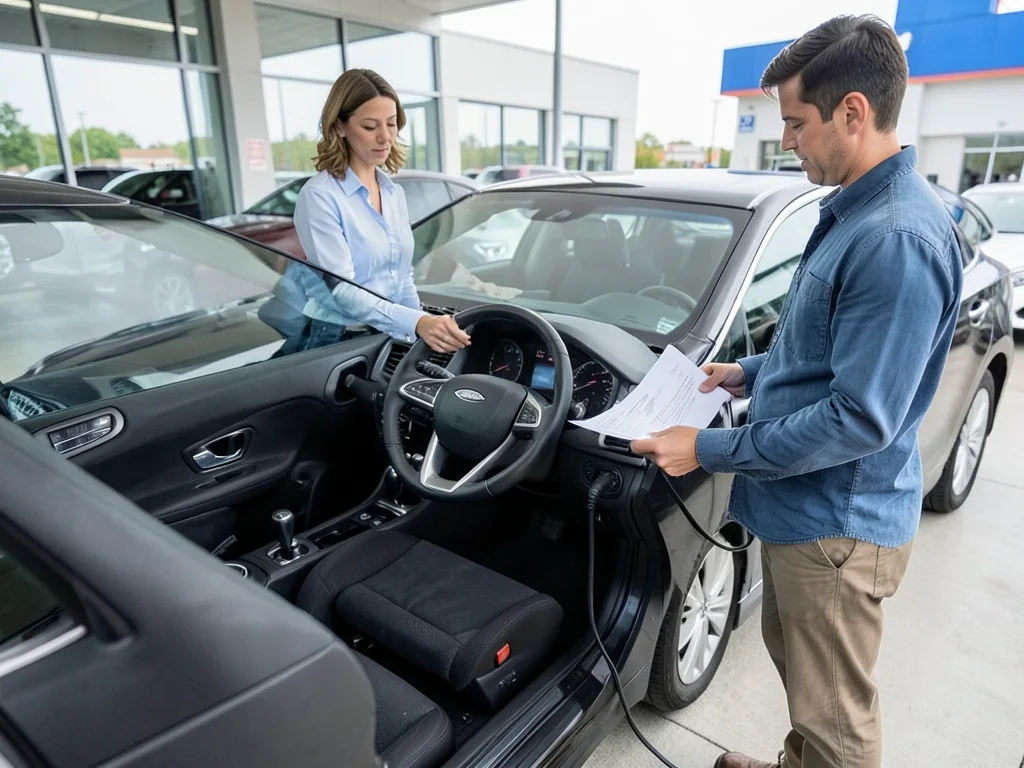
Buying a used car as is from a dealer places much of the repair risk on the buyer, yet consumer rights when buying a used car do not vanish with that label. After buying a used car, can you return it? That depends on the dealer return policy, the purchase agreement, and state law about buying a used car, not on a later fault alone.
What an As-Is Dealer Sale Means
In an as-is sale, the dealer typically sells without promising to pay for later repairs, if state law allows that warranty exclusion. The dealer Buyers Guide is the first place to see whether the vehicle is offered as is or with a written warranty. When the window sticker and the signed papers both say as is, ordinary mechanical costs after delivery usually fall on the buyer, including problems that appear soon after the car leaves the lot.
An as-is label does not excuse fraud, concealment of a known material defect the dealer had to disclose, or other required defect disclosure. Consumer protection when buying a used car can still apply if ads or the purchase agreement misstate the vehicle. Buying a faulty used car from a dealer is frustrating, but a fault that develops after purchase does not, by itself, create a refund. An independent inspection before you sign remains the practical way to reduce that risk.
When You May Be Able to Return a Used Car
There is no general federal three-day cooling-off right for a car bought at a dealership, so a change of mind after signing is not a nationwide return right. Whether you can return a used car after buying it turns on a written dealer return policy, a paid cancellation option, or a state protection that actually applies. When buying a used car, can you return it for buyer's remorse about color, payment, or second thoughts? Standing alone, that does not require the dealer to reverse the deal.
If a return path exists, read it as a contract, not as a courtesy. Check the deadline, any mileage allowance, required vehicle condition, restocking or documentation fees, and how notice must be given. A written warranty that covers repairs is not a promise to unwind the sale, and a service contract funds specified work rather than a refund. Buying a used car from a dealer, your rights on returns are found in those terms and in applicable law, not in an assumed cooling-off period.
Documents That Establish the Dealer's Promises
The purchase agreement, the Buyers Guide, any written warranty, and any written promise to repair specific items are the core record of what the dealer committed to. Match the stock number, vehicle identification number, price, as-is or warranty box, and any listed defects across those pages. A verbal statement in the office does not automatically override signed language. If the listing or a salesperson's note describes work to be finished before delivery, get that promise into the signed packet before you take the keys.
A service contract is a separate product with its own covered parts, exclusions, deductibles, and claim steps. It does not convert an as-is sale into a blanket guarantee that every later noise or warning light will be paid. Keep the original listing, messages about condition or history, and copies of every signed page, because those materials describe the car as offered. Conflicting paperwork or a gap between verbal assurances and the contract should be clarified in writing, and the legal effect of that conflict may need qualified advice.
What to Do When a Dealer-Sold Car Develops a Fault
If problems appear after delivery, write down when the symptoms began, the odometer reading, any warning messages, and the driving conditions in which they occur. Do not attempt hazardous roadside checks or dismantling to prove a point. If the car feels unsafe to drive, stop using it and arrange professional assistance rather than continuing in a way that could worsen damage or create a crash risk. A written diagnosis from a qualified shop documents what is happening now; it does not automatically prove when the defect began or who must pay.
Notify the selling dealer promptly and describe the symptoms in factual terms, including mileage and any stored warning lights. A diagnostic trouble code is evidence to interpret, not proof that a particular part has failed, and manufacturer-dependent codes still need vehicle-specific confirmation. Before you approve nonemergency repairs elsewhere, check whether a written warranty or service contract requires prior authorization. After buying a faulty used car from a dealer, the response may be further diagnosis, a covered repair, a voluntary accommodation, or another remedy under the documents and governing law.
How State Law Affects Your Used-Car Rights
What are the laws on buying a used car? They are largely state laws, shaped by where the sale occurred and how the deal was structured, not a nationwide refund rule. An implied warranty is a default that the vehicle is reasonably fit for ordinary use, yet states differ on whether a dealer may disclaim it in an as-is sale. Some states add used-car warranty or lemon-law protections with eligibility limits tied to age, mileage, price, or seller status, which must be checked against the actual deal.
Statutory rights are protections created by law, not by dealer courtesy. What are my statutory rights when buying a used car depends on the governing statute, including whether a contract may limit a given protection. Your rights when buying a used car from a dealer can include remaining implied or written warranties, required disclosures, and any used-vehicle lemon or warranty statute that actually covers the sale. Outcomes and any filing path turn on those facts and the laws of buying a used car from a dealer, not on a general refund assumption.
Finding Help When Your Rights Are Unclear
Consumer protection can still address deceptive claims, material misrepresentations, and missing legally required disclosures, even when buying a used car as is from a dealer. Assessing a concern requires the sale location, the seller's identity, the signed terms, advertised claims, and documented symptoms. Those facts, not the as-is heading alone, show whether the issue is a contract dispute, a remaining warranty, or a disclosure problem. Organize mileage notes, invoices, and copies of the Buyers Guide with the rest of the file so a reviewer can follow the sequence.
A state consumer protection office, an attorney general's consumer division, or a qualified consumer attorney can explain how those rules apply to the file. Bring the purchase agreement, Buyers Guide, warranty or service-contract booklets, listing printouts, and a clear statement of the outcome you want, such as a covered repair or cancellation under a return policy. Filing a complaint does not guarantee a return or refund. What are my consumer rights when buying a used car, and what are my rights buying a used car after the fact, still depend on proof, the contract, and the statute that governs the sale.