Check Engine Light or Engine Failure Right After Buying a Used Car: What to Do
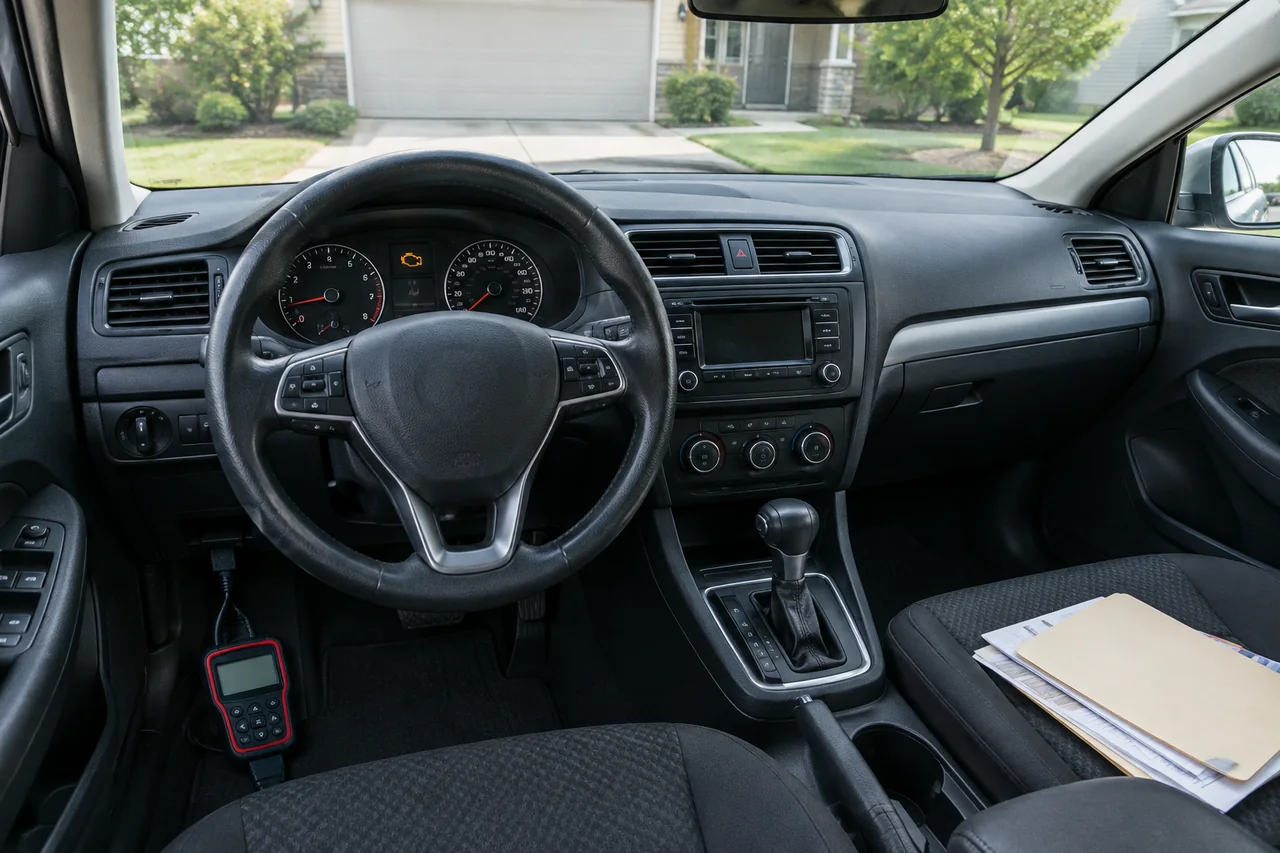
A check engine light or catastrophic engine failure right after buying a used car can turn excitement into alarm. You need a clear plan: document what happened, read diagnostic codes, assess the cause, and understand your rights. Immediate action protects both your safety and any potential claim. The steps below help you distinguish a minor issue from a major fault and decide whether to pursue the seller or repair the vehicle.
First Steps When the Check Engine Light Comes On Days After You Buy
A steady check engine light usually signals a non-emergency fault that still needs attention, while a flashing light indicates an active misfire that can damage the catalytic converter. If the light flashes, or the car loses power, shakes, overheats, or makes loud noises, pull over when safe and avoid driving further. Continuing to run a severely misfiring or overheating engine can turn a manageable repair into major engine failure.
Before any scan, observe the basics: ensure the gas cap is tight, as a loose cap can trigger an evaporative system code. Note any other warning lights, unusual smells like burning oil or coolant, smoke from the exhaust or under the hood, rough idle, or reduced acceleration. Write down the date, mileage, and driving conditions when the light first appeared. Do not clear codes or disconnect the battery, because that erases freeze frame data and readiness monitor status—information that is valuable for accurate diagnosis and any discussion with the seller. A light appearing soon after purchase does not prove fraud, but it is always worth recording.
Reading Trouble Codes and Understanding What They Can and Cannot Tell You
You can retrieve diagnostic trouble codes using a personal OBD-II scanner, a free scan at many auto parts stores, or a professional diagnostic at a repair shop. The code alone is a starting point. It identifies the circuit or system that set the fault, not necessarily the failed component. For example, an oxygen sensor code can be caused by a vacuum leak, exhaust leak, or wiring problem rather than the sensor itself. Replacing parts based only on the code often fails to fix the root cause and wastes money.
Generic codes beginning with P0 are standardized, but manufacturer-specific codes require service information specific to the vehicle to interpret correctly. A qualified technician can verify the code's meaning and the proper diagnostic path. Ask for a printout or screenshot of the scan results, including any freeze frame data that records engine conditions at the moment the fault set. Also check readiness monitors. If several monitors show 'not ready' or the scan shows that codes were recently cleared, the light may have been reset just before the sale, suggesting someone hid a known problem.
Minor Causes Versus Warning Signs of a Serious Problem
Some trouble codes point to relatively minor issues. Evaporative system leaks, often from a loose gas cap or small hose, may not cause drivability problems. Certain sensor faults can trigger a light while the engine still runs normally. However, do not assume a code is minor just because the car drives well; without proper testing, you cannot know if a failing sensor is masking a richer or leaner fuel condition that could damage the engine over time.
Serious symptoms demand immediate attention: persistent misfires, overheating, a low oil pressure warning, heavy smoke from the exhaust, coolant loss without a visible leak, or oil that looks milky. These can indicate head gasket failure, bearing damage, or a cracked block. A driver cannot reliably distinguish a valvetrain tick from a rod knock by ear. Professional tests such as compression, leak-down, cooling system pressure, or oil analysis are needed to confirm internal damage. Never open a hot cooling system or attempt risky hands-on diagnosis; steam and pressurized fluids can cause severe burns.
The Engine Blew Right After Purchase: Protecting Yourself and the Car
If the engine fails catastrophically—loud knocking, sudden loss of power with heavy smoke, or a seized engine—do not attempt to drive the car. Towing prevents additional internal damage and keeps you safe. Take photos and video of dash warnings, fluid puddles, smoke, and the odometer. Keep the tow receipt, as it documents the failure location and timeline.
A written diagnosis from an independent shop carries much more weight than a verbal opinion. Ask the technician to describe the observed failure, list any fault codes, and state a probable cause if determinable. Request that the shop not disassemble the engine or discard any parts until you have informed the seller, because an intact engine allows both parties to investigate. A failure soon after purchase could stem from a pre-existing defect or a new event such as overheating or oil starvation; only a teardown or inspection can suggest which, and preserving evidence is essential if you plan to seek compensation.
Suspecting You Bought a Car With a Bad Engine: Building Your Documentation
Gather every document related to the sale: the bill of sale, the federal Buyers Guide if purchased from a dealer, any warranty paperwork, screenshots of the advertisement, messages with the seller, a pre-purchase inspection report if you had one, and any service records that came with the car. These establish what was promised and what condition was disclosed. Scan data showing recently cleared codes or not-ready monitors can support a claim of a pre-existing problem, but avoid jumping to conclusions—some sellers clear codes simply to turn off an annoying light without knowing the cause.
Create a simple timeline from the purchase date to the failure, noting the mileage driven since the sale and the exact date the light first appeared. Keep receipts for any diagnosis, towing, or repairs even if you initially pay out of pocket. If you later negotiate with the seller or file a dispute, these receipts prove your costs and show that you took reasonable steps. Without documentation, your claim becomes a matter of your word against the seller's.
Contacting the Seller, As-Is Sales and Warranty Basics
Contact the seller calmly and in writing, whether a dealer or a private party. State the facts: the purchase date, mileage, when the light came on or the engine failed, the diagnostic codes, and the shop's written findings. Clearly ask for the outcome you want—repair, replacement, refund, or compensation for repairs. Avoid accusations; instead, present the evidence. For a dealer, refer to the Buyers Guide, which by federal law must disclose whether the vehicle is sold with a warranty or as-is.
An as-is sale generally means the buyer accepts the car in its current condition with no dealer warranty, but it does not protect a seller who actively concealed a known defect or committed fraud. Some states grant implied warranties or used car lemon law rights even in as-is transactions, and a remaining factory powertrain warranty or a purchased service contract may still apply. Rules vary widely by state and seller type. There is no automatic right to return a used car in most places. If the seller refuses to help, file a complaint with your state attorney general or a consumer protection office, and consult a consumer attorney if you suspect misrepresentation.
Deciding What to Do Next With the Car
When deciding whether to repair the car, compare the written estimate to the vehicle's overall condition and fair market value. If the repair cost approaches or exceeds the car's value, repair may not be economically sensible unless the car is otherwise exceptional or you have a claim against the seller. Get a second written opinion before approving major engine work, because diagnostic approaches and labor rates vary. Ask the shop about the exact scope of repair, whether they will use new, used, or remanufactured parts, and what warranty they offer on parts and labor.
Use this experience to protect your next purchase. Always have an independent pre-purchase inspection performed by a mechanic you trust. Ask them to scan for codes and check readiness monitors; if monitors are not ready, the codes may have been cleared recently. Review all paperwork before signing, including the Buyers Guide and any warranty terms. Test drive the car under varied conditions and ask for service records. Being thorough upfront costs far less than discovering a hidden engine problem after you have already handed over the money.