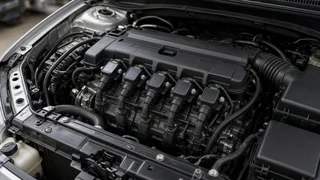
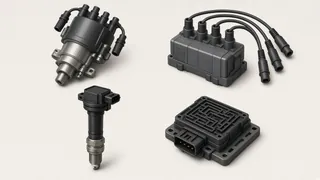
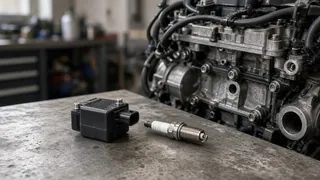
Buy ignition coils, cables, and modules
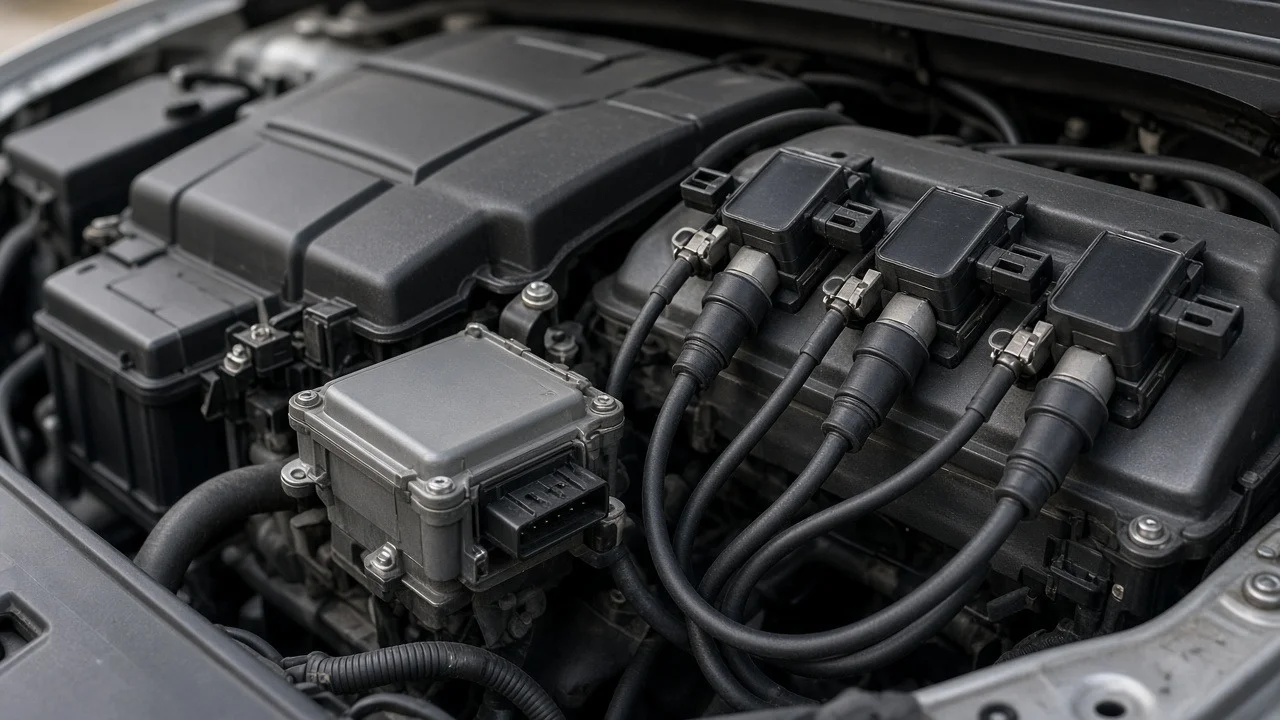
When the engine cranks but will not fire cleanly, the ignition system is usually the first place to look. A no-start, rough idle, or sudden misfire under load often points to a failing ignition coil, worn ignition cables, or a faulty ignition module rather than a dead battery. Shopping at retailers such as Advance Auto or AutoZone is easier when you understand what these parts do and how they interact with the starter circuit, ignition switch, cranking speed, fuel delivery, and normal diagnostic checks. The right replacement restores spark energy without wasting money on unneeded hardware.
The direct answer
Choose ignition components by matching the part to your vehicle rather than by price alone. An ignition coil, set of ignition cables, or a Ford ignition module may fit several model years, but connector style, mounting points, and electrical values can vary. Before buying, confirm whether the symptom follows one cylinder or affects the whole engine. A single-cylinder misfire often suggests a coil-on-plug unit, cable, or plug fault, while a cranks-but-no-start condition can point to the ignition module or the ignition switch failing to send a trigger signal during cranking.
A weak spark can also imitate a fuel delivery problem, so basic diagnostic checks matter. Confirm the battery has enough state of charge to maintain cranking speed, because a slow crank reduces the coil's ability to build voltage. If the engine spins normally but does not start, listen for injector activity and check for spark at a removed plug when it is safely grounded. This narrows the fault toward ignition, fuel, or control circuits. Replacement parts are only effective when the original failure cause is addressed.