How Many Ignition Coils Are in a Car
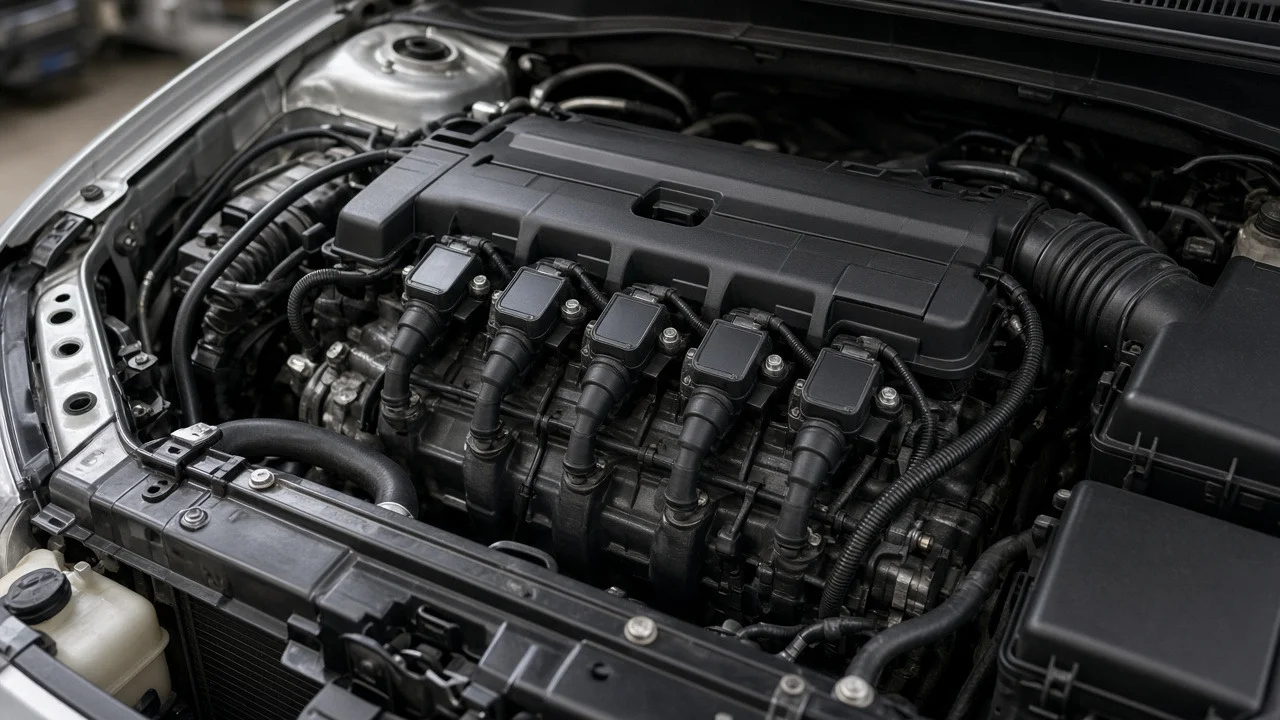
The number of ignition coils in a car depends on the ignition system design rather than the number of cylinders alone. Many older vehicles use a single coil that fires a distributor, while many modern engines mount one coil directly above each spark plug. Understanding this distinction helps when diagnosing misfires, rough idle, or no-start conditions because coil count changes how a fault appears and how replacement parts are sold. It also affects labor expectations, since accessing individual coil-on-plug units differs from replacing a centralized component.
Essential answer
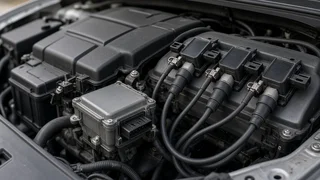
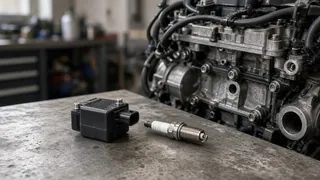
A car can have one ignition coil, several coil packs, or one coil per cylinder. In a traditional distributor ignition system, a single cylindrical coil generates high voltage for every spark plug through a rotating distributor cap and rotor. Engines with wasted-spark or coil-pack designs often use two or three coils to serve pairs of cylinders. The most common modern arrangement is coil-on-plug, where each cylinder has its own small coil bolted directly over the spark plug, so a four-cylinder typically has four coils and a six-cylinder has six.
The count matters more than describing a part number because the ignition coil is not a universal component across engine families. A V6 with one failed coil may still run rough on five cylinders, while a four-cylinder with a single centralized coil often shows the same misfire across multiple cylinders. Diagnostic checks of the starter circuit, battery state of charge, ignition switch, cranking speed, and fuel delivery can help separate a weak spark condition from a low-voltage or fueling problem that mimics a failed coil.