Buying a Complete Brake Assembly: What to Check Before You Order
The short answer
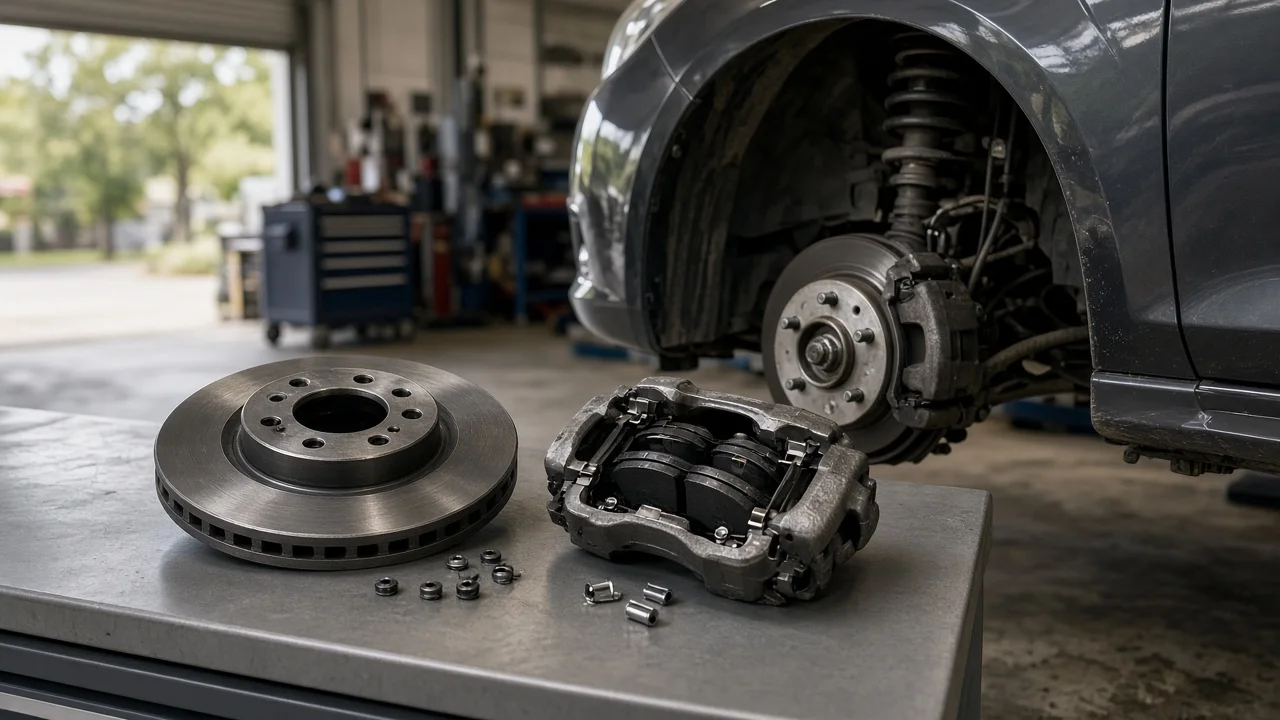
A complete brake assembly is worth buying when more than the pads is worn or damaged: a sticking or leaking caliper, rotors below their minimum thickness, corroded hardware, or a vehicle with unknown brake history. Choose a kit matched to your exact vehicle, including year, model, trim, drivetrain and brake package. Replace parts in pairs on the same axle. If only the pads are worn and the rotors and calipers are healthy, a full assembly usually isn't necessary. A pad-and-rotor kit or pads alone may be the more sensible purchase.
What "complete brake assembly" usually means
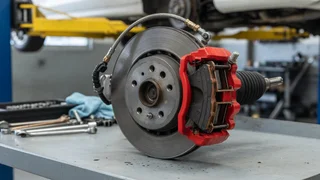
Sellers use the term loosely, so check the contents list rather than the product title. The common configurations are:
Kit type | Typically includes | Best suited to; Pad and rotor kit | Brake pads, rotors, sometimes clips and shims | Worn pads and rotors with healthy calipers; Loaded caliper kit | Calipers with pads and hardware already installed, plus rotors | Seized, leaking or corroded calipers, or a quicker full-corner refresh; Complete axle kit | Calipers, brackets, pads, rotors, hardware and sometimes brake hoses | Neglected or high-mileage vehicles needing a full corner rebuild on one axle; Preassembled drum brake assembly | Backing plate with shoes, springs, wheel cylinder and adjuster installed | Rear drum systems where reassembling springs and adjusters by hand is difficult
"Loaded" means the caliper comes with pads and mounting hardware already fitted. "Unloaded" means you get the caliper alone. Many kits are sold per axle, front or rear, not for the whole vehicle.
When a full assembly makes sense, and when it doesn't
A complete assembly is a good fit in these situations:
The vehicle pulls to one side under braking, or one wheel runs noticeably hotter, which often points to a sticking caliper or slide pin. There is fluid on the inside of a wheel or tire, a sign of a leaking caliper or wheel cylinder. The rotors are scored, cracked, heavily rusted, or below the minimum thickness cast or stamped on them. Brackets, slide pins and bleeder screws are seized or badly corroded, which is common in regions that use road salt. You want one parts order and one installation instead of several rounds of diagnosis and repair.
A full assembly is usually unnecessary if the calipers slide freely, show no leaks, and the rotors are within specification and free of deep grooves or vibration. In that case, buying calipers you don't need adds cost without improving braking. Also, a soft or sinking brake pedal can come from the master cylinder, air in the lines, or ABS components. A new corner assembly won't fix those causes, so diagnose first.
Confirming fitment
Brake parts often differ within a single model. They can change between trims, drivetrains, engines and optional packages, and sometimes partway through a model year. Year, make and model alone are often not enough. Confirm these details:
Model year, trim and market. US-market vehicles can use different parts than the same model sold elsewhere. Drivetrain and engine, since two-wheel drive, all-wheel drive and higher-output engines may use different brakes. Brake package, such as standard, heavy-duty, towing, police or performance options. Axle, because front and rear components are almost never interchangeable. Rotor diameter and type: solid or vented, and whether the rotor is separate from the hub or integrated with it. Caliper design, such as single-piston floating or multi-piston fixed, and how many there are per wheel. Parking brake type: drum-in-hat, integrated caliper mechanism, or electronic parking brake. Production date, if the seller lists split fitment for vehicles built before or after a certain month.
The most reliable approach is to look up parts by VIN, either through the seller's fitment tool or with a dealer parts department. As a cross-check, compare the existing parts on the vehicle. Part numbers or casting marks on the caliper, and the measured rotor diameter, can settle cases the lookup tool leaves ambiguous. If a listing shows two options for your vehicle with a note like "check rotor size," measure before you order rather than guessing.
Choosing the components
Brake pads
Pads come in three broad compound families:
Ceramic pads tend to run quietly with low dust and suit most daily-driven cars and light SUVs. Semi-metallic pads generally tolerate heat better and are common on trucks, towing vehicles and heavier SUVs, though they can be noisier and dustier. Organic pads are usually soft and quiet but may wear faster. Whichever you choose, match the compound to how the vehicle is used. A towing truck and a commuter sedan put very different loads on their brakes.
Rotors
Blank (smooth-face) rotors are the standard choice for most driving. Drilled or slotted rotors are mainly marketed for performance or appearance, and on a typical daily driver they don't necessarily stop better. Coated rotors resist surface rust on the hat and edges, which helps on vehicles exposed to salt or with open-spoke wheels. Rotor weight and finish quality vary between brands, so prefer suppliers that state the material and the coating clearly.
Calipers: new or remanufactured
Many calipers sold in kits are remanufactured, meaning used cores rebuilt with new seals, pistons or boots as needed. Good remanufactured calipers are widely used, but quality depends on the rebuilder. Check whether the caliper bracket is included and whether the bleeder screw and slide pins are new. Find out if a core charge applies. A core charge is a refundable deposit returned when you send back your old calipers, and the refund often depends on the cores being complete and not broken.
Hardware and hoses
Fresh abutment clips, anti-rattle springs and slide-pin boots help new pads wear evenly and quietly, so a kit that includes them is worth more than one that doesn't. If the rubber brake hoses are cracked, swollen or original on an older vehicle, replace them with the calipers. Hoses sold for US road vehicles should be marked as DOT-compliant.
What a kit usually doesn't include
Brake fluid. Use the type specified on the reservoir cap or in the owner's manual, such as DOT 3, DOT 4 or DOT 5.1. Never mix silicone-based DOT 5 with glycol-based fluids. New wheel bearings or hubs, unless the rotor is an integrated hub design. ABS wheel speed sensors and wear sensors. Some vehicles need a new pad wear sensor whenever the pads are replaced. Brake lubricant for slide pins and contact points, though some kits include a small packet. The master cylinder, brake booster and hard lines.
Installation considerations that affect the purchase
Replacing calipers opens the hydraulic system, so the brakes must be bled afterward to remove air. On some vehicles with ABS, a full bleed needs a scan tool to cycle the ABS unit. Vehicles with an electronic parking brake usually need a service mode, set through a scan tool or a dash procedure, before the rear caliper pistons can be retracted. Caliper bracket bolts and wheel lug nuts should be tightened to the manufacturer's torque specifications. New pads and rotors generally benefit from a bedding procedure to transfer an even friction layer. If you don't have the tools for bleeding, scan-tool functions or torque work, budget for professional installation when you compare kit prices.
Pre-order checklist
Fitment confirmed by VIN or by matching existing part numbers and rotor size. Correct axle (front or rear), and the kit covers both sides. Contents verified: pads, rotors, calipers, brackets, hardware, hoses. Pad compound suited to your driving, towing or climate. Caliper condition understood, new or remanufactured, with any core charge terms noted. Rotor coating or finish appropriate for corrosion exposure. Correct brake fluid and any required wear sensors or lubricant on hand. Warranty length and the return policy for unopened or wrong-fitment parts. A plan for bleeding, parking brake service mode and torque specs, whether you install it yourself or use a shop.
Bottom line
Buy a complete brake assembly when the calipers, rotors or hardware are part of the problem, not just the pads. Match it to your vehicle's exact configuration, check precisely what the kit contains, and plan for bleeding and proper installation. That way the new parts restore braking as intended instead of leaving the original fault in place.