Brake Replacement Cost: Understanding a Brake Job Estimate
What a brake replacement typically costs
There is no single brake replacement cost. The amount you pay depends on the vehicle, which axle is being serviced, whether pads alone or pads and rotors are needed, the grade of parts, and the shop’s labor rate. A quote for front pads on a common passenger car is a different job from four-wheel service that includes rotors, hardware, and fluid on a truck, luxury, or performance model. Specific dollar figures, national averages, and shop rates are not supplied here, so treat any number on an estimate as vehicle-specific rather than a universal price.
What a brake job estimate usually includes
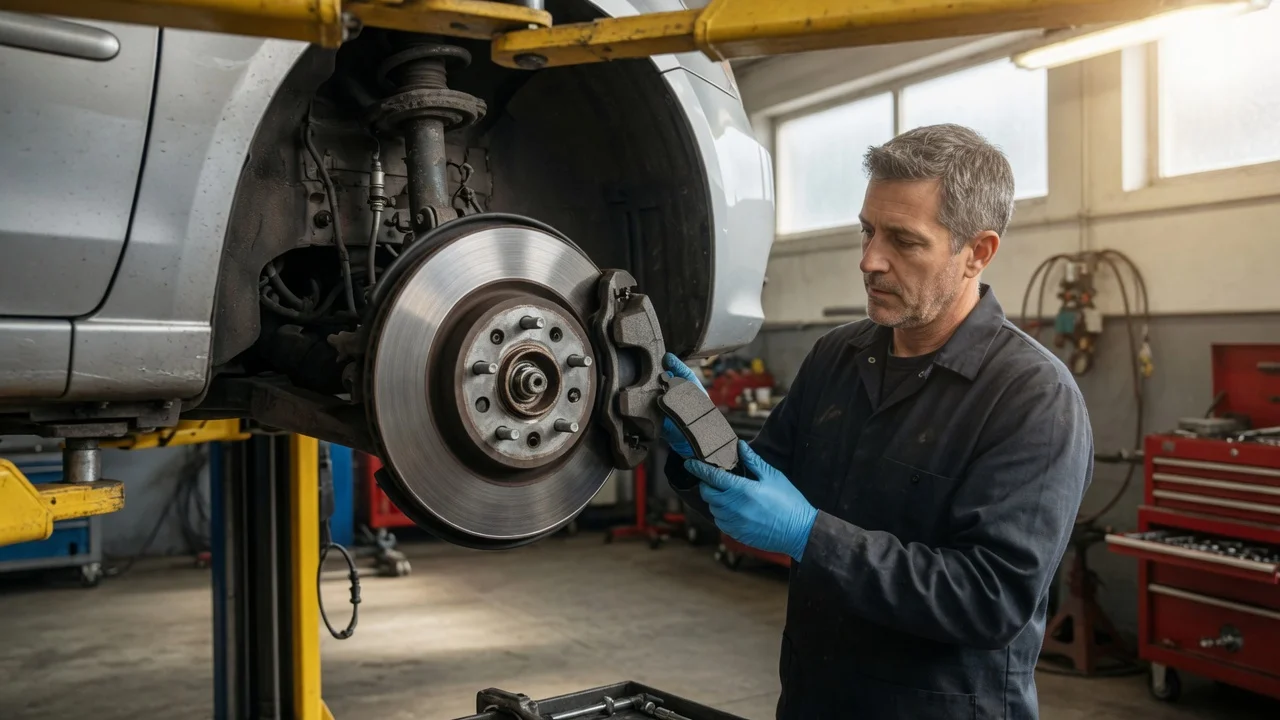
A brake job is the shop’s package of parts and labor to restore stopping performance at one or both axles. The estimate should name each line item, not just a lump sum labeled “brakes.” Typical lines include friction material (brake pads or, on some vehicles, shoes), rotors or drums if they are being replaced or machined, related hardware, and the labor to remove, inspect, install, and bed the system. Some quotes also add brake fluid, caliper service, wear sensors, or an alignment check if a wheel was removed. If a line is missing, ask whether it is included, optional, or not needed on your vehicle.
Pads or shoes: the friction material that presses against the rotor or drum. Rotors or drums: the metal surface the pads or shoes work against; replacement is more common than machining when thickness or condition is out of specification. Hardware: clips, shims, pins, and slides that keep pads seated and moving freely. Labor: inspection, disassembly, cleaning of contact surfaces, installation, torque of fasteners, and a test drive or bedding procedure. Related items that may appear: brake fluid flush, caliper or hose replacement, pad-wear sensors, parking-brake adjustment, and, on some models, electronic parking-brake service.
Front brake work versus a full brake job
Front brakes usually do more of the stopping work, so they often wear first and appear more often on estimates. A front-only job covers that axle’s pads and, when required, rotors and hardware. Rear service is a separate axle with its own parts and labor. A “full brake job” typically means both axles, which roughly doubles the parts count and adds more labor, though the two sides of one axle are normally done together. Do not assume a front quote covers the rear, or that replacing pads on one corner is enough if the mate on that axle is equally worn.
How labor shows up on the bill
Labor cost is the shop’s time to complete the published or quoted operation, billed at that shop’s hourly rate or as a flat job price. Time varies with vehicle design: simple sliding-caliper cars take less time than models with electronic parking brakes, seized hardware, rusted fasteners, or extra steps to retract pistons. Dealer, independent, and chain shops set different rates, and regional wages change the same book time into different totals. Ask whether the labor line is pads only, pads and rotors, or a larger inspection package, and whether rusted bolts, seized slides, or extra caliper work would be billed as additional time.
Conditions that change the estimate
The same “brake replacement” request can produce very different quotes once the vehicle and parts choice are specified. Tie every compatibility claim to the model year, market, trim, and powertrain, because pad shape, rotor size, sensor type, and parking-brake design differ across those details. Unresolved differences—such as two trims that share a name but use different rotor diameters—should be confirmed against the VIN or a parts catalog before you approve parts.
Vehicle: heavier trucks, performance packages, and many luxury models use larger or more expensive rotors and pads than a base passenger car of similar age. What is worn: pads only is a smaller job than pads plus rotors; adding calipers, hoses, or a fluid flush raises parts and labor. Parts grade: economy, mid-grade, ceramic, and OEM-equivalent pads are priced differently and change noise, dust, and wear behavior; the estimate should name the brand or quality tier. Shop type and location: dealer, independent, and national chains bill different labor rates and may package inspections differently. Corrosion and seized parts: extra time to free slides, hardware, or fasteners is often not in a clean book-time quote. Electronic features: pad-wear sensors and electronic parking brakes add parts and a diagnostic or service-mode step on some vehicles.
How to read and compare quotes
Compare estimates by matching the same work, not by the bottom line alone. Confirm which axle is included, whether rotors are new or reused, whether hardware and sensors are listed, and whether taxes, shop supplies, and disposal fees are in the total. Ask for the part quality (OEM, OEM-equivalent, or economy) and whether both sides of an axle will be replaced together. A lower quote that omits rotors or hardware is not the same job as a higher quote that includes them. If two shops disagree on whether rotors must be replaced, ask for the measured thickness and the manufacturer’s discard specification for that rotor, tied to your vehicle.
A practical next step
Use a written estimate that names the vehicle, the axle, each part, and labor. If you have not had an inspection yet, start there: a shop should measure pad thickness, check rotor condition, and report whether calipers, hoses, and fluid need attention. Approve work axle by axle when only one axle is worn, and replace both sides of that axle as a pair. If the quote is unclear, ask the shop to separate parts from labor and to state what is included versus optional before you authorize the job.