Brake Lights and Turn Signals Not Working: Causes and Safe Checks
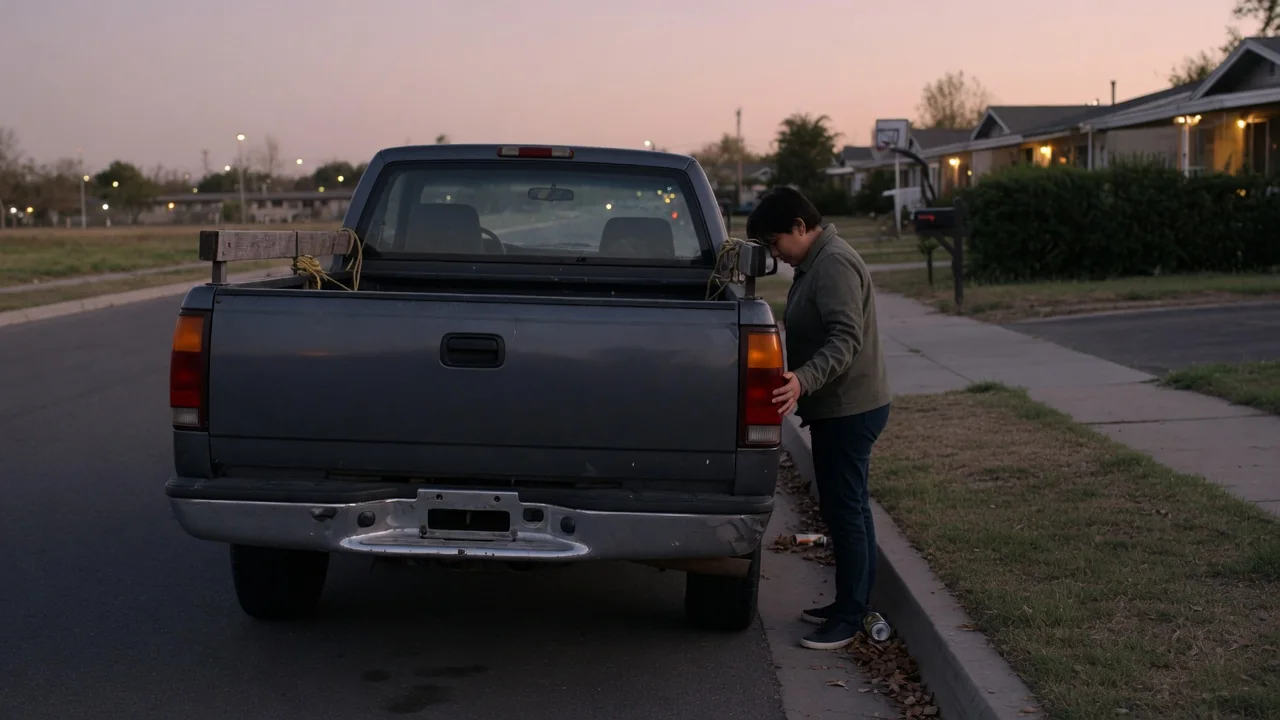
When brake lights and blinkers stop working at the same time, the fault is usually in a part both functions share, not two separate failures. Bulbs, sockets, grounds, fuses, switches and lighting modules can all be shared, depending on the design. This guide explains how to narrow down the cause safely, what an owner can check, and when a technician needs to test the circuits.
Why Brake Lights and Turn Signals Can Fail at the Same Time
Brake lights and turn signals often run through the same hardware before reaching the back of the vehicle. Depending on the design, they may share a fuse, the multifunction switch, a wiring harness, a tail light assembly connector, a ground connection or a lighting control module that handles both inputs. Layouts differ between manufacturers and even between model years. Start with the owner's manual or factory service information to learn which parts are actually shared on your vehicle.
Some vehicles use one dual-filament bulb or a single lamp circuit for both stop and turn duties, while others use separate amber signal lamps. If the turn signals and brake lights fail together, a shared component is more likely than two unrelated faults happening at once. That is a useful lead, not a diagnosis. There is no single answer to why your turn signals and brake lights are not working. The cause depends on where the two circuits overlap.
Only the Rear Turn Signals and Brake Lights Are Out
If the front blinkers flash normally but the rear turn signals and brake lights are out, the search gets much narrower. The front of the signal circuit is clearly getting power and switching correctly, so attention moves to the rear lamp assemblies, the harness running back through the body, rear ground points or, on some vehicles, a rear-mounted module. Corroded bulb sockets and loose grounds near the tail lamps are reasonable suspects because they sit in moisture and road spray.
Have a helper stand behind the vehicle while you press the pedal and work each signal, and note exactly which lamps stay dark. Look for burnt bulbs, darkened sockets or green corrosion, but do not pry anything apart. Trailer connectors, aftermarket lighting or recent body repair can sometimes disturb rear circuits, so inspect those areas rather than assume. A visual check cannot find a broken wire inside its insulation or a weak ground. At that point the next step is a technician's voltage and continuity testing.
When the Hazard Lights Stop Working Too
When the brake lights, turn signals and hazards all stop working at once, individual bulbs become unlikely culprits. Losing all three points more strongly toward a shared power supply, a blown fuse, the turn signal flasher or its electronic equivalent, the multifunction switch or a lighting control module. Watch the dashboard arrows and listen for clicking that is fast, normal or missing. Also notice whether other lights, gauges or warning messages changed at the same moment, because these details help a technician narrow the fault.
The owner's manual lists the fuse locations and ratings for the lighting circuits. Replace a blown fuse only with one of the exact rating specified, never a higher one, because an oversized fuse can let the wiring overheat. If the new fuse blows again, the circuit probably has a short somewhere, perhaps in a pinched harness, a damaged socket or trailer wiring. Replacing fuses again and again will not fix that. The vehicle needs professional diagnosis before it goes back into regular use.
Brake Lights Not Working but Turn Signals Still Work
If the brake lights are not working but the turn signals are, the shared parts are probably fine. Attention shifts to parts that serve only the stop function. Depending on the vehicle, that may be the brake light switch near the pedal, its wiring, a dedicated fuse or a module input. Have a helper check whether every brake lamp is out, including the center high-mounted stop lamp, or only some. A partial failure suggests a different cause than losing all of them.
Other symptoms can help fill in the picture. On vehicles that use the brake switch signal for other systems, cruise control may refuse to engage, or the shifter may stay locked in park because the shift interlock never detects the pedal being pressed. Not every vehicle behaves this way, so treat these as clues to report. Adjusting or replacing the brake switch involves the pedal assembly, which affects both the lighting and the safety interlocks. If you are unsure, leave that job to a qualified technician.
Ram, F-150, Explorer and Cobalt Owners: Check Your Specific Vehicle
Owners of a Dodge Ram, Ford F-150, Ford Explorer or Chevy Cobalt with brake lights and turn signals not working can follow the same troubleshooting logic described above. What changes is the detail. Wiring layout, module design, bulb arrangement and fuse locations can differ by model year and trim. Confirm your exact year, trim and lighting setup through the owner's manual, a dealer or reliable service information before assuming any particular part is to blame, and before buying replacement parts.
Do not assume a model has a known defect based on forum stories. Instead, enter the VIN in the manufacturer's recall lookup or the national safety regulator's database to check for open recalls, and ask a dealer whether any technical service bulletins apply. Pickups and SUVs used for towing need extra attention at the trailer wiring connector. On some vehicles, a damaged plug, corroded pins or a faulty trailer harness can affect the vehicle's own rear lighting circuits.
Safe Checks You Can Do Before Visiting a Shop
A few low-risk checks can save time before a shop visit. Confirm the fault with a helper, then look at the bulbs you can reach for broken filaments or blackened glass. Check the fuses listed in the owner's manual and look for connectors that are clearly melted, cracked or corroded. Write down any dashboard warnings, bulb-out messages or stored codes. Code meanings vary by manufacturer, so verify any code for your specific vehicle and treat it as evidence to interpret, not proof that a part has failed.
Avoid cutting, splicing or probing wires, bypassing fuses or unplugging modules. These shortcuts can damage sensitive electronics, create new faults and interfere with systems that rely on the brake signal. Instead, record the symptoms clearly. Note which lamps fail and whether the blinkers and brake lights quit together or separately. Also note whether the fault comes and goes, and whether it changes over bumps, in rain or after a car wash. Specific notes like these help a technician reproduce an intermittent fault much faster.
Driving Safety and When Professional Testing Is Needed
Driving without working brake lights or turn signals greatly increases the risk of a rear-end collision, because drivers behind you get no warning when you slow down or change lanes. It may also break traffic laws. If possible, do not drive until the lights are repaired. If the vehicle must be moved a short distance, use hand signals where legal, take quiet daytime routes and brake gradually. Leave extra space, and avoid highways, busy intersections and night driving entirely.
Some signs call for a technician rather than more checks at home: fuses that keep blowing, burning smells, melted connectors, faults that come and go, or problems spreading across several lighting systems. A technician can use wiring diagrams and proper test equipment to measure voltage drop, verify grounds, check how the switches operate and communicate with the lighting modules. That structured testing finds the actual fault. Guessing at bulbs, switches or modules often wastes money and leaves the real problem unfixed.