Compare brake discs and brake pads
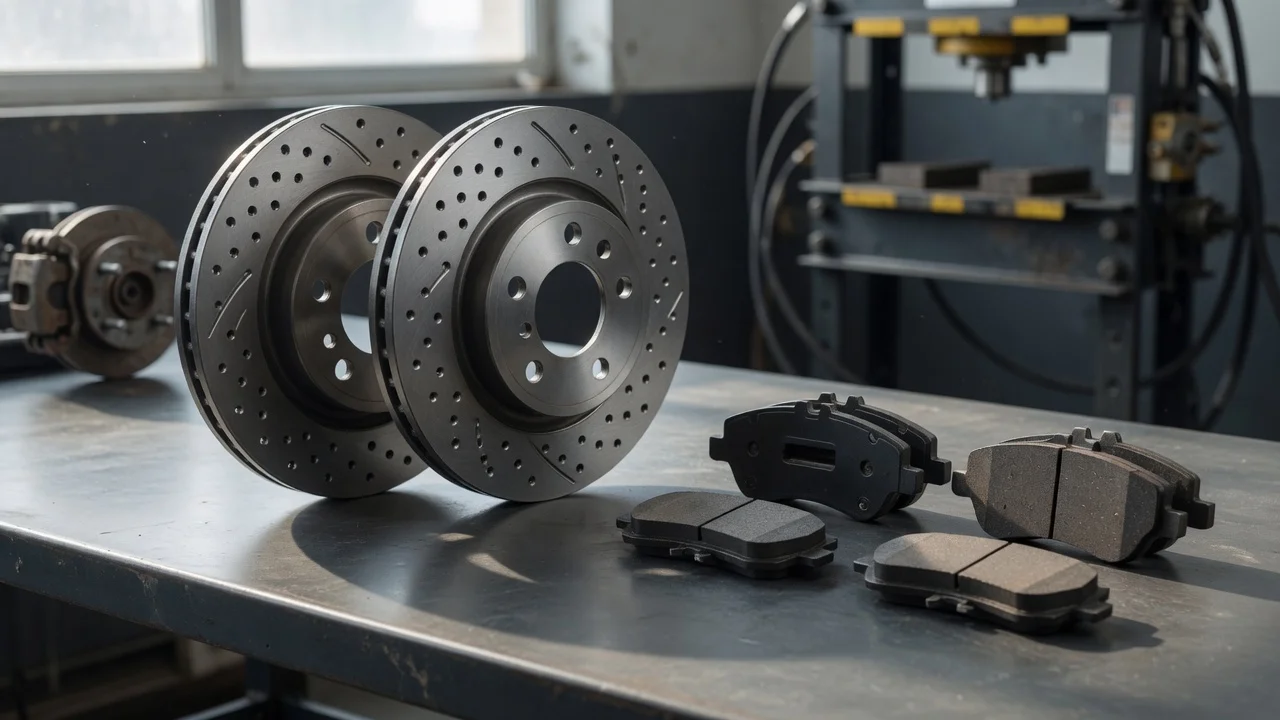
Brake discs and brake pads are not alternatives. They are two halves of the same disc brake system, and neither works without the other. The disc, also called a rotor, is a metal disc that spins with the wheel. The pads are blocks of friction material that the brake caliper clamps against the disc to slow the car. Pads are the main wear item and are usually replaced more often. Discs also wear, more slowly, and are normally inspected whenever the pads are changed. Whether your car needs pads, discs or both depends on measured wear and condition, not on a fixed rule.
How each part does its job
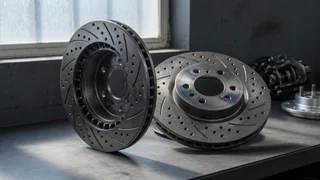
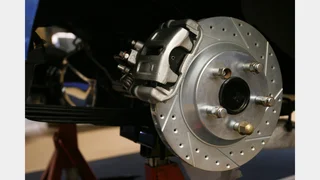
The brake disc is bolted to the wheel hub and rotates at wheel speed. When you brake, it provides the surface the pads grip, and it absorbs and sheds the heat created by friction. Many discs are vented, meaning they have internal cooling channels between two braking faces, which helps them handle repeated stops.
Brake pads sit inside the caliper, one on each side of the disc. Each pad is a steel backing plate with a layer of friction material bonded or riveted to it. Pressing the brake pedal sends hydraulic pressure to the caliper, which squeezes the pads onto the disc. The friction material is designed to wear away gradually, so the pads are sacrificed to protect the more expensive parts of the system.
Brake discs and pads side by side
Criterion | Brake disc (rotor) | Brake pad; Role | Rotating surface that is gripped and that absorbs and dissipates heat | Friction material pressed against the disc to create stopping force; Common materials | Usually cast iron; some high-performance cars use carbon-ceramic | Organic (non-asbestos organic), semi-metallic or ceramic compounds; Wear rate | Wears slowly | Designed to wear and normally needs replacing more often; How wear is checked | Thickness measured against a minimum specified by the manufacturer, often stamped on the disc; surface checked for scoring, a raised lip, cracks and uneven thickness | Remaining friction material thickness; many pads have a metal wear tab that squeals or an electronic sensor that triggers a dashboard warning; Typical warning signs | Pulsation through the pedal or steering wheel when braking, deep grooves, visible cracks or heavy rust on the braking surface | High-pitched squeal from a wear indicator, longer stopping distances, grinding if worn down to the backing plate; Replacement relationship | Often replaced with new pads; usually not replaced without fitting new pads | Can sometimes be replaced alone if the discs are within specification
Grinding deserves a specific mention because it links the two parts. If pads wear through to their steel backing plates, metal grinds directly on the disc. That quickly damages the disc, turning a pad-only job into a pad-and-disc job, and it reduces braking performance.
Which differences matter for your situation
Because the two parts work together, the practical decisions are about what to replace and which type of part to choose. These conditional guidelines cover the most common cases:
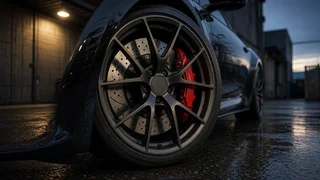
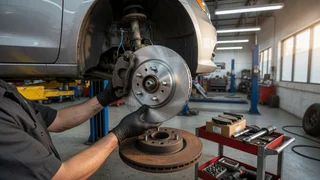
If the pads are worn but the discs are above minimum thickness, smooth and free of cracks, replacing the pads alone may be acceptable. Some manufacturers and workshops recommend new discs with every pad change, so check the guidance for your vehicle. If the discs are below minimum thickness, cracked, deeply scored or causing brake pulsation, replace them, and fit new pads at the same time so both surfaces bed in together. Always replace pads, and discs if needed, on both sides of the same axle so braking stays balanced from left to right. For everyday commuting, ceramic or original-equipment-equivalent pads are generally chosen for quieter operation and less visible dust. For towing, frequent heavy loads, long mountain descents or track use, semi-metallic or performance-rated pads generally tolerate higher temperatures, but they can be noisier, dustier and harder on discs. For ordinary road driving, plain discs to the original specification are typically adequate. Drilled or slotted discs are aimed at specific performance uses, and their benefits depend on the design and the application.
Pad compound behaviour varies between manufacturers and products, so these are general tendencies rather than guarantees. No comparable test data, such as stopping distance, fade temperature or wear figures measured under the same method, was available for this article. Product claims from different brands therefore cannot be compared directly here.
Replacement intervals and cost: what can and cannot be stated
There is no single mileage at which pads or discs must be replaced, and no verified interval or price figures were available for this article. Wear depends on the vehicle, its weight, the pad compound, driving style, terrain and climate. Hybrids and electric vehicles use regenerative braking for much of their slowing, which can extend pad life. Light use of the friction brakes can also allow corrosion to build up on the discs, so condition still needs checking. As a general pattern, pads cost less than discs and take less labour to change, but actual costs vary by vehicle and region. Your vehicle's service schedule and a measured inspection are the reliable sources for your car.
Practical next steps
Check the owner's manual or service schedule for your model's brake inspection guidance. Ask for pad thickness and disc thickness measurements, compared against the manufacturer's minimums, rather than a simple pass or fail. If you hear grinding, feel strong pulsation, notice the car pulling to one side, or see a brake warning light, have the brakes inspected promptly. A soft or sinking pedal more often points to a hydraulic fault than to worn pads or discs and should be checked before further driving. After new pads or discs are fitted, follow the bedding-in procedure recommended by the parts manufacturer so the pads transfer an even layer of material onto the disc.