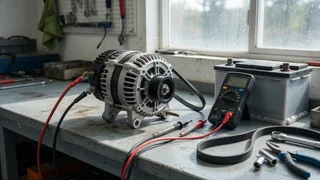
Boat alternator not charging
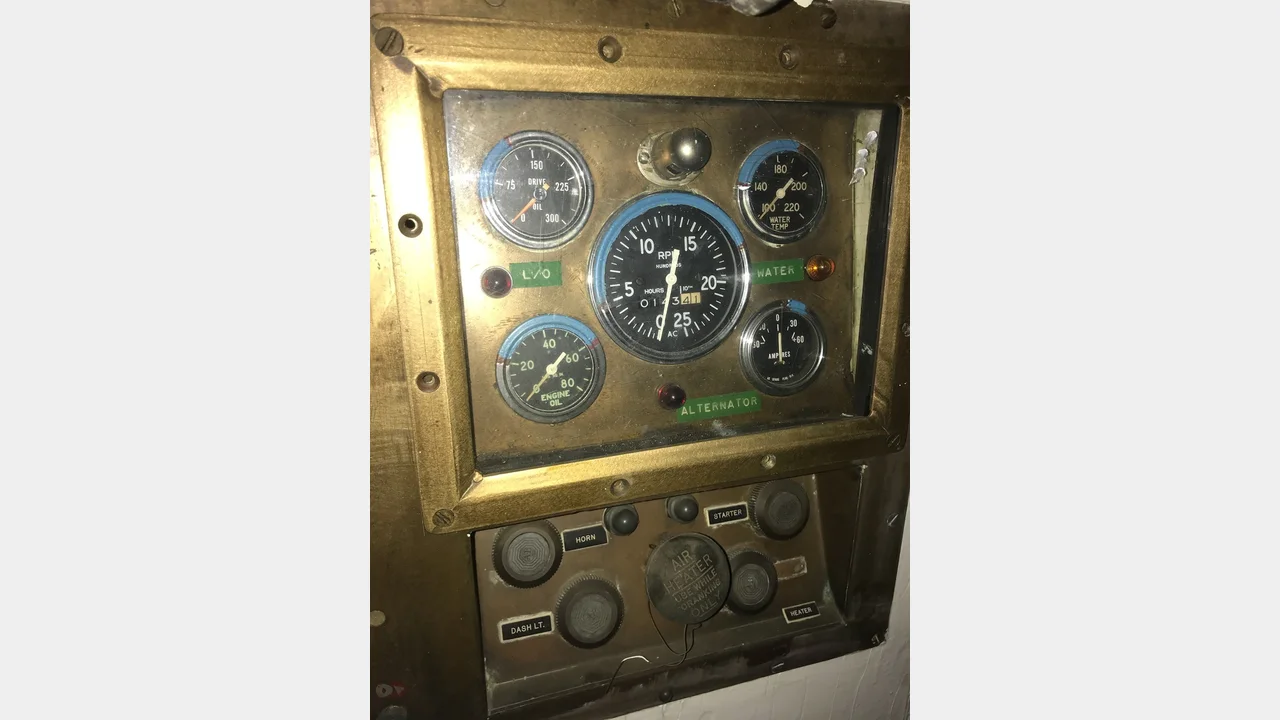
A boat alternator that stops charging leaves you relying on battery reserve, and on the water that margin disappears quickly. The core question is not only whether the unit is faulty, but where the charging path has broken: drive belt slip, wiring resistance, regulator behavior, or the alternator output itself. Shore power and onboard chargers use a different connector standard and charging protocol than the engine-driven system, so vehicle compatibility and supply capacity do not transfer directly. Understanding how the alternator receives field current and senses voltage helps separate a failed part from a correctable installation issue.
Essential answer
The direct answer is that a boat alternator can fail to charge because the charging loop is incomplete or poorly regulated, not necessarily because the unit is dead. A marine alternator needs a spinning rotor, a field circuit, a working voltage regulator, solid positive and negative connections, and a battery able to accept current. When any part of that chain opens or develops resistance, the system may show normal engine operation while the battery voltage stays low. The alternator is an energy converter, but its output depends entirely on the circuit around it.
Charging power also depends on supply capacity from the drive belt and on clean sensing voltage at the regulator. Corrosion on a ring terminal, a loose output stud, or a blown fuse link can mimic an internal failure. Before condemning the alternator, check whether the charge indicator behaves correctly and whether the battery voltage rises when the engine runs. A low or unchanged reading points to a system issue rather than automatic proof of a bad rotor, diode, or regulator.