BMW Tire Pressure and TPMS Warnings in Cold Weather
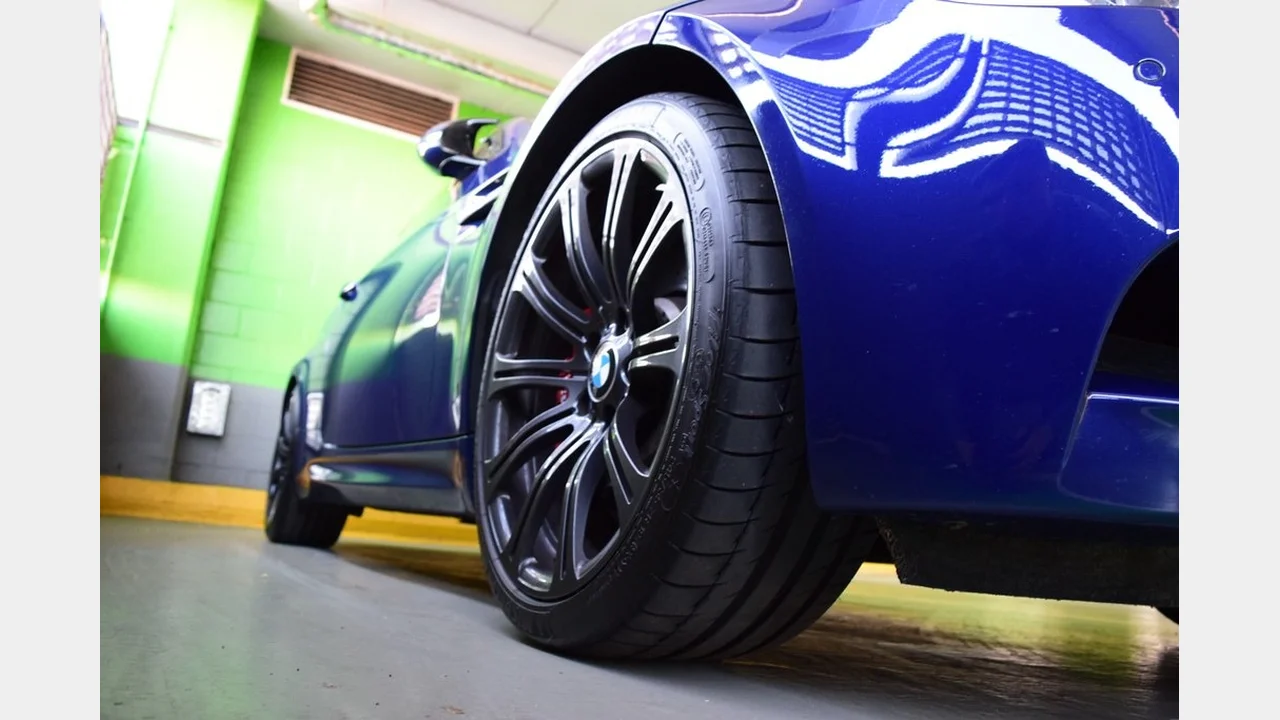
A BMW tire pressure monitor can illuminate on a crisp morning even when no tire looks visibly low. Cold weather directly lowers inflation pressure because air contracts as temperature drops, and the tire pressure monitoring system reacts to that measurable change. Drivers searching for BMW tire pressure sensor cold weather behavior often see a warning that disappears after driving, which can be confusing. Understanding this seasonal effect helps owners separate a routine pressure adjustment from a puncture, sensor fault, or slow leak that needs attention.
Essential answer
Cold weather commonly triggers a BMW low tire pressure warning because lower ambient temperatures reduce the air pressure inside each tire. For every significant drop in outside temperature, the contained air contracts and the inflation pressure falls enough for the TPMS to flag one or more wheels. This is a normal physical response, not necessarily evidence of tire damage. The warning may appear at startup on a cold morning and then clear after the tires warm up, though the underlying pressure should still be checked against the vehicle placard value.
The correct first step is to measure the actual inflation pressure when the tires are cold and compare it with the recommended figure for the tire size, load index, and speed rating shown on the vehicle placard. If all tires are uniformly low after a sharp temperature change, adding air to the specified pressure usually restores the system. A warning that returns quickly after adjustment, affects only one wheel, or appears with visibly low tread depth and damage suggests a puncture or sensor issue rather than a routine seasonal drop.