Bluetooth transmitter for car cnet
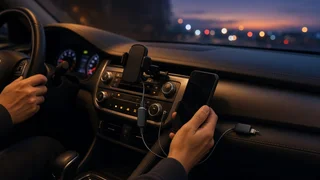
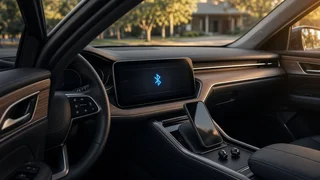
A Bluetooth transmitter for a car bridges the gap between a phone’s modern wireless audio and an older vehicle sound system that still relies on a 3.5 mm auxiliary input, cassette adapter, or FM radio. The “cnet” element typically points to editorial testing and buying guidance, not a distinct device category. Understanding how the transmitter pairs, where it draws power, and how it interacts with vehicle integration helps filter specifications before purchase. This overview explains what the accessory does, which practical limitations matter, and how its connection settings affect everyday use in US vehicles.
Essential answer
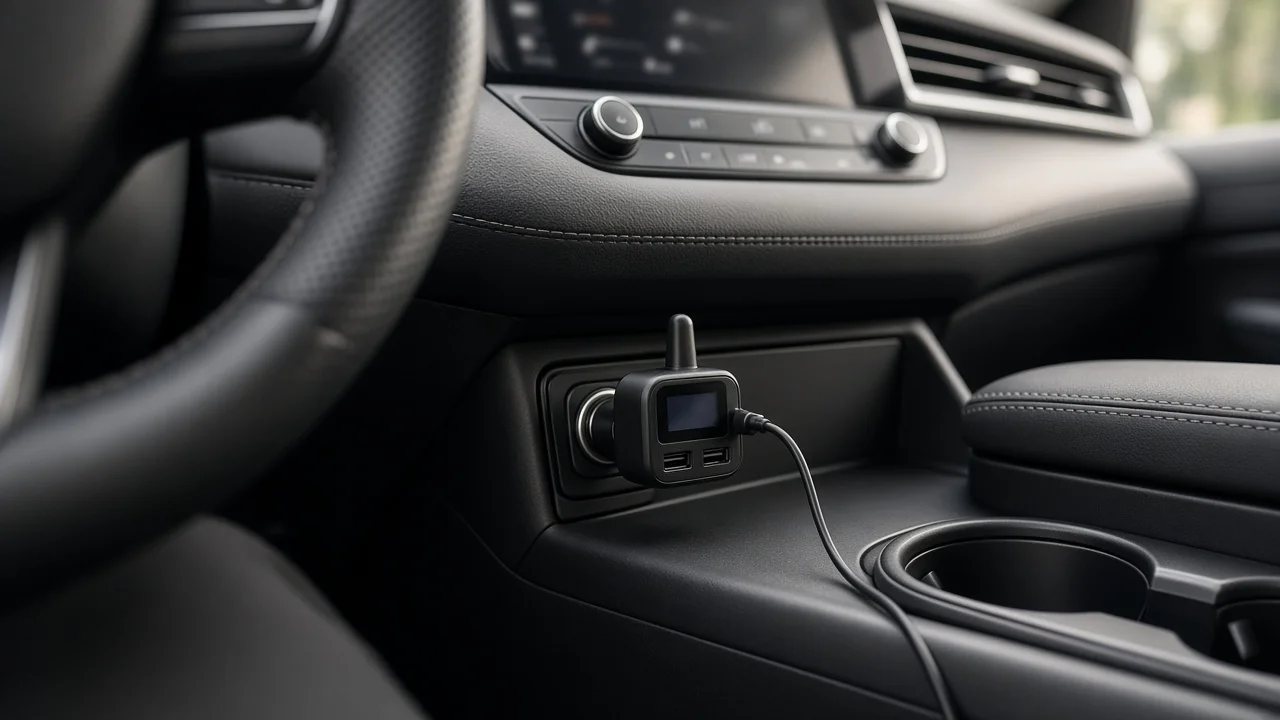
A Bluetooth transmitter for a car is a compact interface adapter that receives audio from a phone, tablet, or other Bluetooth source and feeds it into a factory or aftermarket stereo. Most units plug into a 12-volt power outlet and connect to the radio through an auxiliary cable, an unused FM frequency, or a cassette shell. The device is not a permanent modification; it simply creates a wireless pathway where the original head unit lacks one. That distinction matters because the transmitter does not change the stereo’s amplifier, tuner, or speaker behavior, only the signal arriving at the existing input.
The search phrase “bluetooth transmitter for car cnet” usually reflects a shopper looking for editorially vetted advice rather than a single branded product. The accessory can serve different goals: adding hands-free calling support, streaming music from a current phone, or replacing a worn cable connection. Device pairing and software compatibility shape how smoothly that works with a particular phone and vehicle. A transmitter may improve convenience, but it cannot overcome a stereo that lacks a usable input, severe electrical interference, or a vehicle with an unusual power outlet location that blocks the signal.