Battery corrosion keeps coming back
Battery corrosion that keeps coming back is usually a sign of an ongoing chemical or electrical issue at the battery terminals, not simply a dirty connection. The white, blue, or green crust is formed when sulfuric acid vapor or electrolyte reacts with the lead terminals and air. Repeated corrosion typically points to battery gassing, a small leak around the post seal, overcharging, or even a slight voltage drop caused by high resistance. Understanding the root cause helps you choose a cleaning method and a prevention strategy that lasts longer than the next humid week.
Essential answer
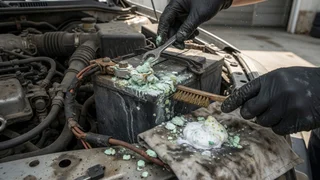
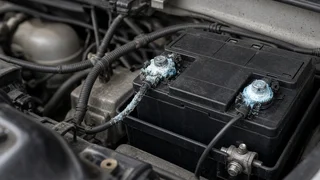
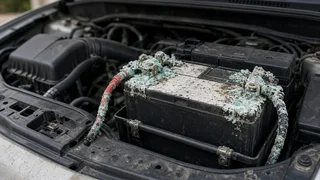
When battery corrosion keeps coming back, the direct answer is that the battery is repeatedly releasing acidic vapor near the post, or the connection is not staying clean and protected. A one-time cleaning removes the visible crust, but the underlying condition remains. Common triggers include a battery that is being charged too aggressively, a vent or case seal weeping a small amount of electrolyte, and a terminal-to-cable junction that traps moisture and allows a slight voltage drop. In some cases, the corrosion is worsened by dissimilar metals reacting at the clamp.
The scope of the problem is not limited to the battery itself. System voltage and charging output matter because a regulator that holds voltage too high can force the electrolyte to off-gas more than normal. Wiring and fuse rating are not direct causes of corrosion, but a failing connection elsewhere can create resistance that changes how the battery cycles. Before replacing the battery, it is worth confirming that the parasitic draw and charging output are within the manufacturer’s expected range. Cleaning the posts and cable ends properly, then sealing them with a protective coating, usually slows the return of corrosion but does not repair a battery that is leaking through its case or post seal.