AWD Hybrid Vehicles: What to Check Before You Buy

The short answer
An all-wheel-drive (AWD) hybrid can be a good fit if you want extra traction in rain, snow or on gravel and better fuel efficiency than a comparable gas-only AWD vehicle. Whether a particular model suits you depends mostly on how its AWD system works. Some hybrids send engine power to the rear wheels through a driveshaft, much like a conventional AWD vehicle. Others add a separate electric motor on the rear axle with no mechanical link to the engine. These two designs can behave differently when towing, climbing loose surfaces or driving through deep snow, so check the system type before comparing anything else.
AWD availability and hardware can change between model years, trims and powertrains within the same nameplate. A specification that applies to one trim or year may not apply to another, so confirm details against the exact vehicle you are considering.
Evidence gap: no verified model lists, prices, fuel economy ratings, towing figures or test results were available for this guide. It explains what to check and how to interpret it rather than recommending specific models.
How hybrid AWD systems differ
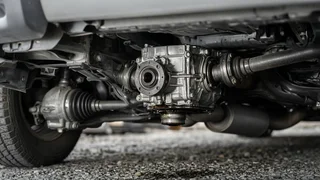
Mechanical AWD hybrids use a driveshaft and rear differential to share power between the front and rear axles. The hybrid system adds electric assistance, but rear-wheel power still comes partly or wholly from the engine. This layout is familiar from conventional AWD vehicles and usually involves the same kinds of drivetrain fluid service.
Electric AWD, often marketed as e-AWD or electric four-wheel drive, uses a dedicated electric motor to drive the rear wheels. There is no driveshaft between the axles. Some of these systems engage the rear motor mainly when pulling away or when wheel slip is detected, and may contribute little at higher speeds. How much power the rear motor can deliver, and for how long, varies by design.
Plug-in hybrids can use either approach. Because they carry a larger battery, some can drive the rear wheels on electric power alone for part of a trip. Check whether AWD remains available when the battery is depleted and the vehicle is running as a regular hybrid.
System type | How the rear wheels are driven | What to verify; Mechanical AWD hybrid | Driveshaft from the front of the vehicle to a rear differential | Drivetrain fluid service schedule, tire matching requirements, towing rating; Electric rear-motor AWD | Separate electric motor on the rear axle | When and at what speeds the rear motor engages, rear motor power, behavior during sustained slippery climbs; Plug-in hybrid AWD | Either of the above, with a larger battery | Whether AWD works in electric-only mode and when the battery is depleted
Matching the system to how you drive
Snowy or icy commutes on plowed roads: most AWD hybrid designs help with pulling away and climbing on slippery surfaces. Winter tires usually matter more than the AWD type for stopping and steering. Unpaved or gravel roads: either design can help. Also check ground clearance and whether the tires suit loose surfaces. Towing: confirm the towing rating for the exact trim and powertrain. Do not assume an AWD hybrid tows the same as the gas-only version of the same model. Light trail use or deep snow: look for information on how the system handles sustained slip, since some electric rear-motor systems are designed mainly for short bursts of traction. Mostly dry highway driving: a front-wheel-drive hybrid with good tires may meet your needs at lower cost, and it may be more efficient.
Trade-offs to weigh
Efficiency: AWD adds weight and drivetrain losses, so AWD versions of a hybrid are often rated slightly lower than their front-drive counterparts. Compare the official ratings for the specific trims rather than relying on the model name.
Purchase cost: AWD is frequently tied to higher trims or offered as an option. Price out the trim that actually includes AWD, not the base model.
Space and weight: a rear electric motor or larger battery can affect cargo floor height, spare tire availability or payload. Check the cargo and payload figures for the AWD configuration.
Maintenance: mechanical AWD systems typically have rear differential or transfer unit fluids on the service schedule. Electric rear-motor systems avoid the driveshaft but add electric drive components. Read the maintenance schedule for the specific powertrain.
What to check on the window sticker and spec sheet
AWD system type: mechanical, electric rear motor, or a combination. EPA fuel economy for the exact trim and drivetrain, shown on the window sticker of new vehicles sold in the US. Towing capacity and payload for that configuration. Ground clearance, if you drive on unpaved roads or in deep snow. Cargo volume and spare tire provision for the AWD version. Hybrid component warranty coverage and length, which may differ from the basic and powertrain warranties. Tire size and any owner's manual guidance on replacing tires in sets or matching tread depth. For plug-in hybrids, whether AWD operates in electric-only mode.
Test drive checks
Pull away briskly from a stop and listen for how smoothly the engine and electric motors blend. If you can, drive on a wet or loose surface to feel how quickly the rear wheels engage. Check ride comfort and cabin noise at highway speed, where the engine is more likely to run. Load the cargo area with items you normally carry to check usable space. Ask whether the vehicle has drive modes for snow or loose surfaces, and how they change AWD behavior.
Buying a used AWD hybrid
Confirm the drivetrain from the VIN or build information, not just the listing title, since AWD and front-drive versions can look alike. Ask for service records, including any drivetrain fluid changes due under the maintenance schedule. Ask whether a hybrid battery health check or diagnostic scan can be done before purchase. Check how much of the hybrid component warranty remains and whether it transfers to a new owner. Inspect the tires for matching brand, size and even wear, since mismatched tires can strain some AWD systems. Confirm that any open recalls have been completed.
What this guide cannot answer
Without verified data, this guide does not list which models currently offer AWD hybrid powertrains, their prices, fuel economy ratings, towing capacities or reliability records. These details vary by model year, trim and market. Before deciding, confirm them for the specific vehicle using the manufacturer's specifications, the window sticker, and the warranty documents.