Midsize Hybrid Cars: Who They Suit and What to Check Before You Buy
The short answer
A midsize hybrid sedan is a strong fit if you want a roomy, comfortable family car and do a meaningful share of your driving in town, in suburban traffic or in stop-and-go commuting. That is where a hybrid system recovers energy under braking and lets the electric motor do more of the work, so fuel savings are largest. Three conditions change the answer. If nearly all your miles are steady highway cruising, the advantage over an efficient gasoline car narrows. If you can charge at home and most daily trips are short, a plug-in hybrid may suit you better. And if you need more cargo height, easier entry or all-weather traction, a hybrid crossover may be the better shape even though it is not a sedan.
What counts as a midsize hybrid car
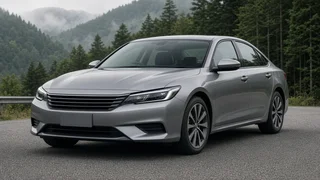
In the US, "midsize" usually refers to family sedans one step above compacts, offering adult-friendly rear seats and a usable trunk. The EPA also assigns size classes based on interior passenger and cargo volume, so a car marketed as midsize may sit in a different official class. Long-running nameplates in this segment have included the Toyota Camry, Honda Accord and Hyundai Sonata, each offered with hybrid powertrains in recent years. Lineups change often: some models have become hybrid-only, others have dropped their hybrid version, and some rivals have left the sedan market entirely. Confirm the current model year's powertrain offerings before shortlisting.
Hybrid types and how they differ
"Hybrid" covers several designs that behave quite differently. Knowing which one a car uses tells you more than the badge.
Type | How it works | Charging | Best suited to; Full hybrid (conventional hybrid) | Engine and electric motor work together; the car can move short distances on electric power alone; the battery recharges from the engine and braking | No plug needed | Mixed and city driving with no change in refueling habits; Mild hybrid | A small electric system assists the engine and smooths stop-start, but cannot drive the car on its own | No plug needed | Modest efficiency gains; less common in US midsize sedans; Plug-in hybrid (PHEV) | Larger battery gives a limited all-electric range, then operates like a full hybrid | Charges from an outlet or charger | Short daily trips with reliable home or workplace charging
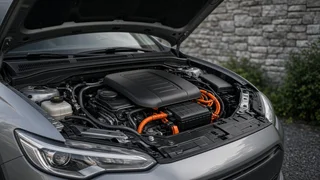
Most midsize hybrid sedans sold in the US are full hybrids. Many use an electronically controlled continuously variable transmission (often called an eCVT), which blends engine and motor power without fixed gear steps. Others pair the hybrid system with a conventional multi-speed automatic. The two feel different under acceleration, so it is worth driving both if you are comparing brands.
Who a midsize hybrid suits, and who it may not
Good fit: commuters in traffic, rideshare and delivery drivers, families who want sedan comfort with lower fuel spending, and drivers who keep cars for many years and cover high annual mileage. Good fit: buyers who want better efficiency without changing habits, since a full hybrid refuels like any gasoline car. Weaker fit: drivers whose miles are almost entirely at sustained highway speeds, where the hybrid premium takes longer to recover. Weaker fit: people who regularly tow, carry bulky items or need ground clearance; midsize sedans generally have limited or no towing allowance, so check the specific model. Consider instead: a plug-in hybrid if you can charge daily, or a hybrid crossover if you need a taller cargo area or easier access.
What to check when comparing models
Fuel economy ratings by trim, not by model
EPA ratings are published as city, highway and combined figures, and they often differ between trims of the same model. Larger wheels, all-wheel drive and heavier equipment commonly lower the rating, sometimes noticeably. Compare the exact trim, wheel size and drivetrain you would buy. Look at the figure that matches your driving: city-heavy drivers should weight the city number, highway commuters the highway number. Real-world results also vary with temperature, speed, terrain and driving style, and hybrids tend to lose more efficiency in cold weather and at high sustained speeds.
Drivetrain
Some midsize hybrids offer all-wheel drive, often by adding an electric motor at the rear axle rather than a mechanical driveshaft. Availability depends on model year and trim. If you live with snow or steep, slippery roads, confirm AWD is offered on the trim you want, and remember that good tires matter as much as the drivetrain for winter grip.
Trunk space and seat folding
Older hybrid sedans sometimes placed the battery behind the rear seat, which reduced trunk space or blocked the fold-down seatbacks. Many newer designs mount the battery under the rear seat so cargo space matches the gasoline version, but do not assume this. Check the published cargo volume for the hybrid specifically and confirm the rear seats fold if you carry long items.
Power and driving feel
Hybrid systems quote a combined output that reflects the engine and motor working together. Acceleration from a stop is often brisk thanks to electric torque, while hard passing at highway speed can bring more engine noise, especially with an eCVT. Compare manufacturer-stated combined output only within the same model year, as figures change with redesigns.
Safety ratings and equipment
Check crash-test results from the IIHS and NHTSA for the specific model year, since ratings can change when test procedures are updated or the car is redesigned. Driver-assistance features such as adaptive cruise control, lane-keeping assist and blind-spot monitoring may be standard on one trim and optional or missing on another.
Working out whether the hybrid premium pays off
When a model is sold in both gasoline and hybrid form, the hybrid usually costs more at the same trim level. Some models are now hybrid-only, which removes the comparison. Where you do have a choice, estimate the payback with your own numbers rather than a generic claim.
Annual fuel cost = (annual miles ÷ rated mpg) × local price per gallon; Annual saving = gasoline-version fuel cost − hybrid fuel cost; Payback (years) = price difference between versions ÷ annual saving
Use the EPA rating that best matches your driving mix, and adjust for financing costs, insurance quotes and expected resale value, which can favor hybrids when fuel prices are high. If the payback period is longer than you expect to keep the car, the hybrid may still be worth it for its smoother low-speed driving and reduced fuel stops, but the financial case alone is weaker.
Battery warranty and long-term ownership
The hybrid battery and related components usually carry their own warranty, which is typically longer than the basic bumper-to-bumper coverage. Terms vary by brand and model year, and some states require extended coverage for certain emissions-related hybrid parts. Before buying, find out the coverage period in years and miles, exactly which components are included, and whether the coverage transfers to a second owner.
Routine maintenance is broadly similar to a gasoline car: oil changes, filters, tires and fluids. Regenerative braking, which uses the motor to slow the car and recharge the battery, often reduces brake pad wear, though brakes still need inspection because components can corrode from light use. Hybrids also have a conventional 12-volt battery that powers the car's electronics at startup, and a weak 12-volt battery is a common cause of no-start complaints. Some models have a cooling-air intake for the hybrid battery, often near the rear seat, that should be kept clear and cleaned periodically according to the owner's manual.
Extra checks for a used midsize hybrid
Run the VIN through the NHTSA recall lookup and confirm any open recalls have been completed. Ask for service records, including any hybrid-system repairs or battery replacement, and whether replacement parts were new, remanufactured or used. Confirm how much battery and hybrid-component warranty remains based on the original in-service date and current mileage. Ask a hybrid-capable shop or dealer to run a hybrid system health check, which can reveal battery or inverter fault codes not visible on the dashboard. Watch for warning lights at startup and during the drive, and note whether the car moves smoothly on electric power at low speed. Check the 12-volt battery's age, especially if the car has been parked for long periods. Inspect brake rotors for rust and listen for grinding, which can occur on hybrids that rely heavily on regenerative braking.
What to notice on a test drive
Brake feel: hybrids blend regenerative and friction braking, and some feel less linear than conventional brakes, especially at very low speed. Engine transitions: note how smoothly the engine starts and stops in traffic and at lights. Noise under load: accelerate firmly up a ramp or hill to hear how loud the engine becomes. Energy display: the instrument cluster usually shows when the car is using electric power, recovering energy or running the engine, which helps you judge how it will behave on your routes. Comfort and visibility: rear-seat space, headroom with a sunroof, and trunk opening size matter as much in daily use as the powertrain.
Choosing your next step
Start by confirming which midsize sedans offer a hybrid in the current model year and whether the version you want comes in the drivetrain you need. Narrow the field to two or three cars, compare EPA ratings for the exact trims and wheel sizes, check safety ratings and battery warranty terms, and run the payback calculation with your own mileage and local fuel prices. Then test-drive your shortlist back to back on roads you normally use. If your driving turns out to be mostly highway, or you have easy home charging, revisit whether a gasoline model, a plug-in hybrid or a hybrid crossover is the better match.