How to Choose Brake Rotors at AutoZone
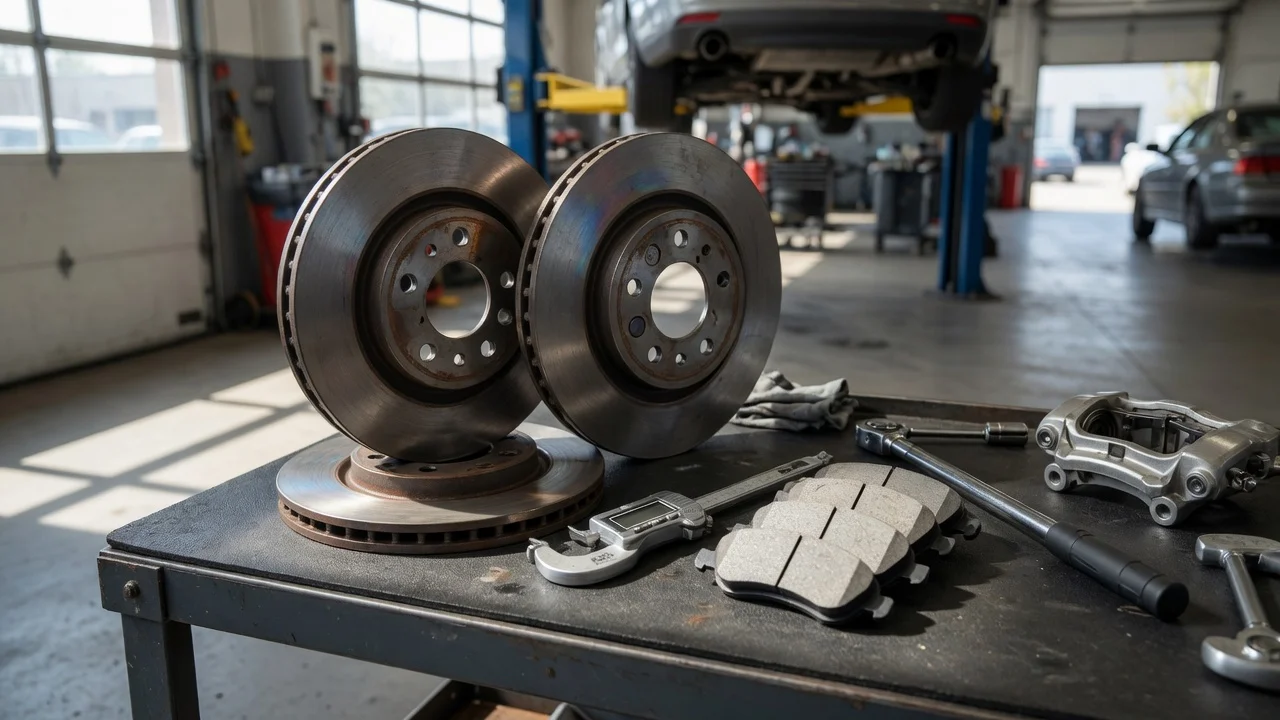
What to Know Before Shopping for Brake Rotors at AutoZone
AutoZone carries replacement brake rotors for most passenger cars, trucks, and SUVs. The right rotor depends on your vehicle's model year, trim, and whether it has standard or performance brakes. When you search for brake rotors at AutoZone, begin by entering your vehicle details so the listings match the factory specifications for your exact model.
Brake Rotor Types Available
A brake disc and a brake rotor are the same component. The metal disc rotates with the wheel, and the brake pads clamp against it to slow the vehicle. Standard replacement rotors are usually blank or smooth-faced. Many drivers also consider drilled or slotted rotors for better heat dissipation or pad cleaning, but these are not always necessary for everyday driving.
Some rotors are sold with a protective coating to resist rust on the hat and vanes. Others are uncoated and may show surface rust sooner. The choice depends on where you drive and how important long-term appearance is to you.
Best Brake Rotor Brands to Look For
AutoZone stocks several brands known for consistent fit and performance. Bosch brake rotors are widely available and are often chosen for OEM-style replacement. Other common options include Duralast, which is AutoZone's house brand, and specialty performance brands depending on the vehicle.
The best brake rotor brand for you is the one that matches your vehicle's factory specifications and your driving conditions. There is no single best brand for every car. A rotor that works well on a commuter sedan may not be the right choice for a heavy-duty truck or a performance coupe.
Signs You Need New Brake Rotors
Common signs include a pulsing brake pedal, steering wheel vibration during braking, deep grooves or scoring on the rotor face, and visible rust or thickness below the minimum specification. If you hear grinding, the brake pads may already be worn down to the backing plate, which can damage the rotor quickly.
You should replace rotors in axle pairs whenever possible. Replacing only one side can create uneven braking and pull. Always check the minimum thickness stamped on the rotor or listed in the vehicle service manual before reinstalling a used rotor.
What to Check Before Buying
Vehicle year, make, model, and engine size; Front or rear axle fitment; Rotor diameter and thickness; Whether the rotor is vented or solid; Any required hardware, such as retaining screws or new caliper bracket bolts
Some vehicles use different rotor sizes for different trim levels or brake packages. If your model lists multiple rotor options, match the diameter to the original part. When in doubt, measure the existing rotor or bring the old one for comparison.
Should You Replace Brake Pads With Rotors?
Yes. New brake pads bed into the rotor surface during the first few hundred miles. If you install new rotors with old pads, the used pad material may not seat evenly and can reduce stopping power or create noise. Replacing pads and rotors together gives the most predictable result.
What to Expect After Installation
New rotors and pads need a short break-in period. Avoid hard stops for the first few hundred miles unless necessary. A slight metallic smell or light surface rust after rain is normal, but persistent noise, vibration, or pulling should be checked immediately.
AutoZone offers in-store and online lookup tools that filter rotors by vehicle. Staff can also help confirm the correct part number if you provide the vehicle identification number or bring the old rotor for comparison.