Automatic Transmissions Without a Torque Converter
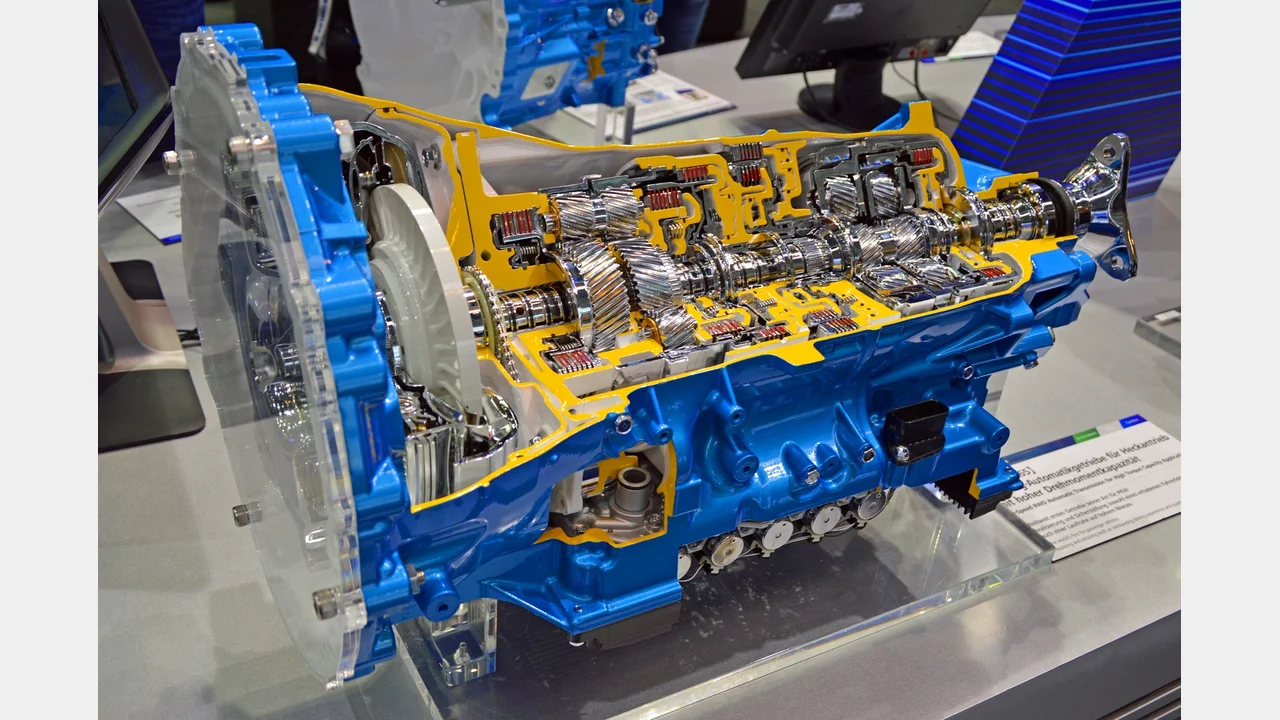
An automatic transmission without a torque converter replaces the familiar fluid coupling with a mechanical clutch or other launch device. This design appears in automated manuals, dual-clutch gearboxes, and some continuously variable transmissions. The change alters how a vehicle creeps, launches from a stop, and shifts under load. For shoppers comparing transmission types, the absence of a torque converter affects feel, efficiency, and potential service needs. Understanding the distinction helps clarify shift behavior, fluid specification, diagnostic codes, fitment, service history, and repair options before choosing a vehicle or evaluating a drivability complaint.
Essential answer
The essential answer is that some automatic-style gearboxes use a clutch pack or automated single clutch instead of a torque converter. A torque converter normally provides hydraulic slip that smooths engagement and multiplies low-speed torque. In a dual-clutch transmission, electronically controlled clutches connect the engine to separate input shafts, allowing the next gear to be preselected. In an automated manual, actuators operate a conventional clutch and shift mechanism. Both can drive like an automatic in normal use while delivering more direct mechanical connection and often quicker shifts.
The direct answer requires qualification because not every self-shifting transmission is a conventional automatic. A continuously variable transmission may use a torque converter, while some designs pair a wet start clutch with a belt or chain variator. Shift behavior therefore varies more by transmission type than by the single missing component. A dual-clutch unit may feel slightly hesitant at low speed, while an automated manual can pause during gear changes. Confirming fitment and the specific transmission design matters before assuming a driving characteristic or diagnosing a fault.