Automatic Transmission Clutch Pack Failure
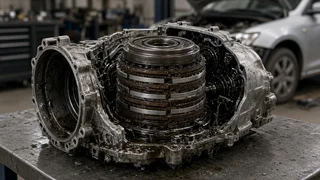
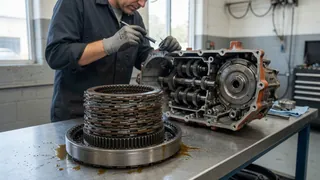
An automatic transmission clutch pack failure can feel different from a worn band or valve body problem because the clutch apply and release cycle is central to gear changes. Drivers often notice slip, flare, delayed engagement, or a harsh shift before a diagnostic trouble code appears. Understanding the clutch pack as a stack of friction and steel plates helps explain why fluid condition, hydraulic pressure, and shift behavior matter. The issue covers many transmission types, so the relevant meaning of the complaint depends on the unit’s design and the available diagnostic evidence.
Essential answer
Automatic transmission clutch pack failure refers to a loss of holding capacity in the stack of friction plates and steel separator plates that engages a gear set or rotating member. The failure can show up as slipping under load, a flare between ratios, delayed forward or reverse engagement, or a burning odor from degraded fluid. It is not a single defect; the cause may be worn friction material, scored steel plates, leaking apply pistons, low line pressure, or contaminated fluid that overheats the unit.
Shift behavior is important, but a fault code is only evidence to interpret. Codes such as a ratio error or solenoid performance code can point toward a clutch apply circuit without proving that the plates have failed. Manufacturer-dependent codes require vehicle-specific confirmation. Before concluding that a clutch pack is burned, check the transmission type, fluid specification, service history, diagnostic codes, and fitment for the exact unit, because a valve body or electrical fault can mimic clutch slip.