Symptoms of a Bad Clutch Pack in an Automatic Transmission
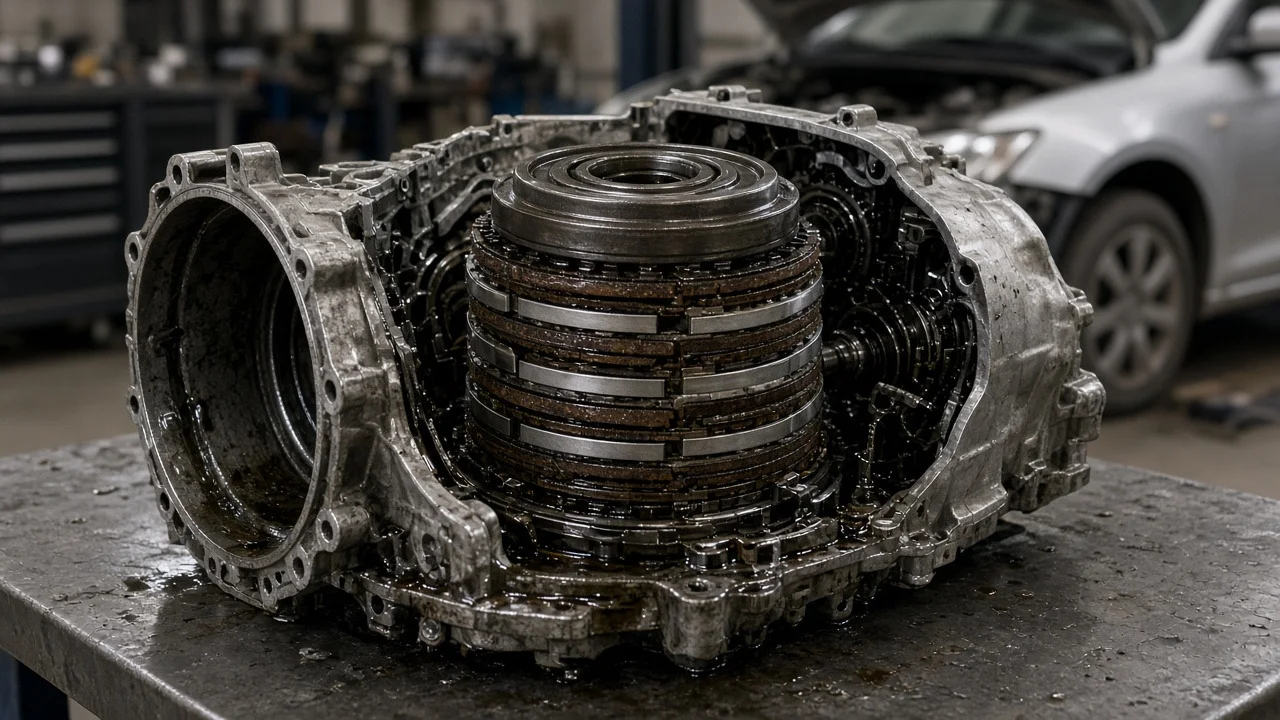
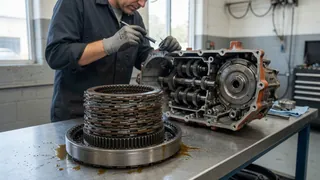
An automatic transmission that flares, shudders, or delays engagement may be revealing wear inside one of its clutch packs. These multi-disc apply devices lock planetary gear elements to create each ratio, and their friction surfaces degrade gradually under heat and torque. Early clutch pack trouble often mimics low fluid, solenoid issues, or valve body wear, so the driver feels a shift quality change before any warning light appears. Recognizing the specific operating conditions that expose the slip helps narrow the diagnosis.
Direct answer
A failing clutch pack in an automatic transmission usually changes the character of a particular shift rather than making the vehicle immobile. The engine may briefly race during an upshift because the apply piston cannot clamp the friction plates quickly enough. A downshift may arrive with a thud or a lag, especially when the transmission is warm and the fluid has thinned. The complaint is often repeatable in one gear change while other ratios still engage normally.
Because shift behavior is controlled by solenoids and the transmission control module, a flare or bump is not automatic proof that the friction discs are worn. Low line pressure, degraded fluid, or a leaking internal seal can produce a similar sensation. A clutch pack becomes the likely cause when the symptom follows a repeatable torque load, such as a part-throttle upshift or a passing-gear kickdown, and worsens as the transmission reaches operating temperature.
Interpreting symptoms and test results
Start by noting whether the slip appears immediately after a cold start or only once the transmission is hot. Heat reduces fluid viscosity and can expose a marginal clutch pack by lowering the effective clamping force. A scan tool may record gear-ratio error codes or shift-time adaptation values near their limit. These diagnostic codes are evidence of a slipping element, but they do not identify the specific friction plates without checking the affected gear command and the hydraulic circuit that serves it.
Fluid inspection adds useful information. Automatic transmission fluid that smells burnt or appears dark with suspended friction material suggests overheating and mechanical wear, possibly from a slipping clutch. However, a restricted filter, a weak pressure regulator, or an internal leak can produce the same driving complaint and contaminate the fluid. A line-pressure test can show whether the apply circuit develops adequate force before the clutch pack itself is condemned. Manufacturer-dependent code definitions require vehicle-specific confirmation.