Allison 1000 TCC Solenoid Identification and Location
Answer the main question
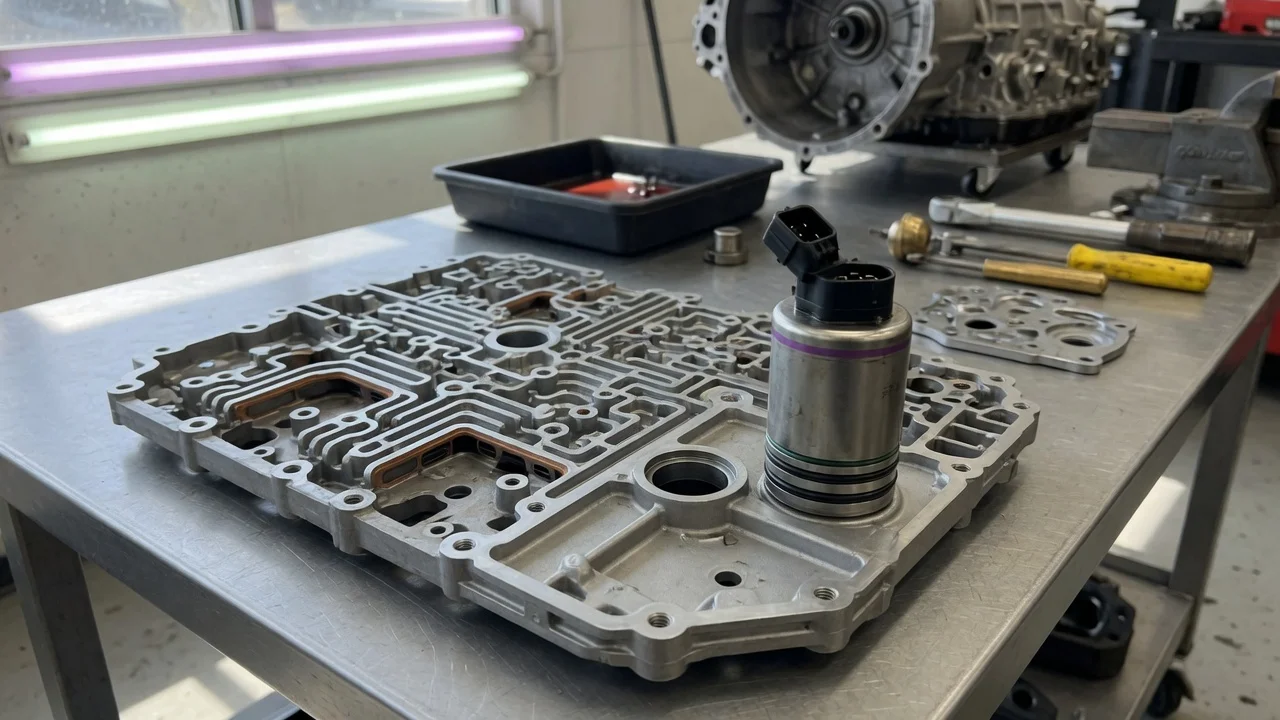
On an Allison 1000 series transmission, the torque converter clutch solenoid is commonly called the TCC solenoid or TCC PWM solenoid. It is located inside the transmission oil pan, mounted on the valve body or lower control body area near the other shift solenoids. On most 1000/2000/2400 family units used behind GM Duramax diesels and gasoline trucks, access begins by draining the fluid, removing the pan and filter, and unbolting the transmission internal wiring harness from the solenoid connector. The TCC solenoid is a cylindrical solenoid retained by a bolt or bracket, and it receives a pulse width modulated signal from the transmission control module to regulate torque converter clutch apply pressure.
Identification can vary by model year, valve body revision, and whether the unit has been rebuilt or updated. The best practice is to match the solenoid by the transmission serial number, RPO code, or the existing solenoid body marking rather than by appearance alone. Do not treat the TCC solenoid as failed simply because a fault code or converter symptom is present; the electrical circuit, internal harness, TCM calibration, and fluid condition must be checked first.
How it works
The torque converter clutch solenoid controls the flow of transmission fluid that applies and releases the torque converter clutch piston. The TCM adjusts the solenoid duty cycle to create a smooth apply and release. At light load or during shifts, the clutch may be kept partially applied or released. Under steady cruising conditions, the TCM can command enough pressure for full lockup, which reduces converter slip and lowers fluid temperature.
A PWM solenoid does not usually operate as a simple on-off valve. The transmission control module varies the electrical signal, and the solenoid varies the regulated fluid pressure in response. Because the apply circuit also includes the converter control valve, pressure regulator components, and a torque converter clutch release passage, the solenoid itself is only one part of the final apply action.
What changes the answer
The most important variable is fitment. Allison 1000 series units were used in multiple GM truck and van applications, and internal changes occurred across model years and engineering revisions. A solenoid sold as a generic Allison 1000 TCC solenoid may not match a specific valve body version, especially after a remanufactured unit or later GM service update has been installed.
Fluid quality and service history also change how the solenoid should be evaluated. Worn fluid, clogged filter media, coolant contamination, or excessive clutch debris can create hydraulic problems that look like an electrical or solenoid issue. In a high-mileage unit, a pressure tester is more useful than swapping the solenoid as a first step because the symptom may come from the pump, regulator, converter control valve, or the converter clutch lining itself.
The diagnostic path also depends on the control system. A scan tool that shows TCC slip, solenoid command, transmission fluid temperature, and any active diagnostic codes gives a much clearer starting point than a fault-light readout alone. A code for the TCC control circuit may be caused by the solenoid, but it may also point to damaged internal wiring, a bad connector, or a TCM output problem.
What the owner can do
Before removing internal parts, record the transmission identification information and any stored codes. If the truck allows live data, compare commanded TCC duty cycle with actual slip at a steady road speed. A solenoid that responds correctly in the scan data but still produces flare, shudder, or excessive slip may not be the failed part.
If the pan must be removed, inspect the magnet and pan for debris, cut the filter open or inspect it for heavy clutch material, and look for signs of burnt fluid. The internal harness and solenoid connector can be checked for pin fit, corrosion, rubbed insulation, and bent terminals. Measure the solenoid resistance only with the correct vehicle reference; resistance alone does not prove that the solenoid regulates pressure correctly under load.
Use the fluid specification called for by the transmission build. For many Allison 1000 applications in GM trucks, a TES 295 approved automatic transmission fluid is expected, but the exact requirement depends on model year and any service bulletin updates. Do not mix an older non-approved fluid into a unit that has been kept on the correct specification.
Limitations and next step
A parts diagram or forum image is not a reliable way to identify a solenoid for a particular transmission build. Small visual differences, updated connectors, and valve body revisions make vehicle-specific information essential. The same general family name covers changes that affect both the correct replacement part and the diagnostic procedure.
If the symptom is converter shudder, lockup cycling, a harsh lockup, or a loss of lockup at highway speed, a professional transmission diagnosis should include line and converter apply pressure tests. A shop with a compatible scan tool and pressure transducers can separate a solenoid response problem from a hydraulic or converter failure without misdiagnosing the transmission. The next step is to obtain the correct service information for the exact model year and transmission serial number before buying a solenoid or opening the unit.