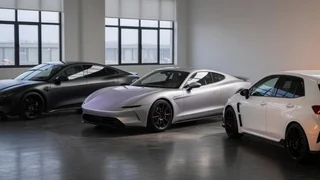
All German car brands
Germany’s automotive landscape extends far beyond the familiar volume manufacturers, drawing interest from shoppers evaluating everything from accessible hatchbacks to six-figure exotics. People searching “all German car brands” usually want structure: which marques are truly German-owned, how they fit the market by body configuration and price, and why some historic names no longer exist. This overview explains those relationships through the lens of modern vehicle catalogs and ownership groups, so the term “German brand” becomes more precise.
Essential answer
In the current market, the core volume-oriented German car brands are Audi, BMW, Mercedes-Benz, Opel, and Volkswagen, while Porsche occupies the premium sports and performance tier. Each of these operates with a distinct character defined by engineering priorities, model year development cycles, and a wide spread of equipment levels. Understanding this answer requires seeing these marques not as a flat list but as brands shaped by parent groups and shared platforms.
The surviving German-owned names sit under major corporate umbrellas: Volkswagen Group controls Audi, Porsche, and Volkswagen, while BMW Group includes Mini and Rolls-Royce, and Mercedes-Benz Group leads Mercedes-Benz. Opel, by contrast, joined Stellantis, making its current technology French-Italian-American influenced despite the German badge. Bayerische Motoren Werke and Daimler-origin brands retain their German headquarters, but regional availability and powertrain options vary by model and market segment.