5W-30 Engine Oil for the Peugeot 208: What to Check Before You Buy

The short answer
5W-30 may be a correct oil for a Peugeot 208, but only for certain engines and model years. The viscosity grade alone does not tell you whether an oil is suitable. The oil also needs to carry the specific manufacturer approval listed for your engine. The authoritative source is your 208's owner's handbook or service schedule. It names both the required grade and the approval standard for the exact powertrain fitted.
What the 5W-30 rating means
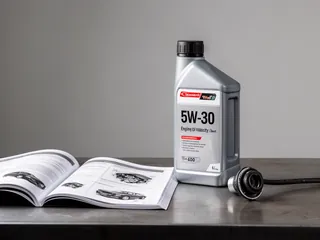
5W-30 is a viscosity grade, which describes how easily the oil flows. The number before the W (for winter) indicates how the oil behaves at low temperatures. A lower number means it flows more readily at a cold start. The number after the dash describes its thickness at normal engine operating temperature. A 5W-30 is therefore a multigrade oil. It is designed to flow well enough when cold while keeping a set level of protection when hot.
Why the answer depends on your 208's powertrain
The Peugeot 208 has been sold across more than one generation and with a range of engines that varies by market. Oil requirements are set per engine, not per model name, so two 208s of different ages or engine types can need different oils.
Petrol versions: the required grade and approval depend on the specific engine and model year, so confirm both in the handbook. Diesel versions: diesel engines, especially those with particulate filters, often require low-ash oils with a specific approval. A 5W-30 without the correct approval may not be suitable. Electric e-208: the fully electric version has no combustion engine and does not use engine oil.
Depending on engine and year, the handbook may specify a grade other than 5W-30, for example a lower-viscosity oil. If it does, follow the handbook rather than assuming 5W-30 is interchangeable.
Grade alone is not enough: check the manufacturer approval
Peugeot specifies engine oil by a manufacturer approval code as well as by viscosity. Many oils on the shelf are labelled 5W-30, but they differ in additive chemistry and ash content. Those differences matter for modern emissions equipment and timing components. A suitable oil states the required approval on the label or in its technical data sheet. A bottle that only shows 5W-30, or claims to be 'suitable for' a standard without listing the approval itself, gives you less certainty. Using oil without the specified approval could also complicate warranty claims, though how that is handled depends on the market and the specific case.
How to confirm the right oil for your car
Identify your exact engine. It is shown in the registration documents, the service book, or on the engine itself. Find the oil section in the owner's handbook or service schedule for that engine and model year. Note both the viscosity grade and the manufacturer approval code listed there. Choose an oil whose label or data sheet states that exact approval, in the listed grade. If you are unsure, ask a Peugeot dealer or a qualified technician to confirm, quoting your vehicle identification number (VIN).
What this guide cannot confirm
This article does not list the approval codes, oil capacities or service intervals for individual 208 engines. No verified specification data was available to support those figures. Because the requirements vary by generation, engine and market, check those details in your vehicle's own documentation rather than relying on a general figure.