Peugeot 'Engine Oil Pressure Fault Stop the Vehicle' Warning

A Peugeot message reading “Engine Oil Pressure Fault Stop the Vehicle” is a serious lubrication warning, not a routine service reminder. It means the oil pressure circuit has fallen below the expected range or a sensor signal is being interpreted as a fault. Drivers seeing this in a 208, 308, or 3008 should treat it as an immediate instruction to pull over safely and shut the engine off. Continuing to drive can turn a potentially simple oil level issue into bearing or turbocharger damage. The warning can appear during startup, steady driving, or braking, and the trigger matters for diagnosis.
Direct answer
Stop the vehicle as soon as it is safe. The message may mean dangerously low oil pressure, often from low oil level, a failing oil pump, a clogged pickup screen, or an electrical fault in the pressure sensor circuit. The safest immediate action is to switch off the engine and check the dipstick once the car is on level ground. If the level is below the minimum mark, adding the correct lubricant specification may restore pressure, but only if the oil has not already caused mechanical damage.
If the oil level is normal, do not simply restart and continue. The warning can also be set by a faulty oil pressure switch, degraded wiring, or sludge blocking the oil strainer. Some Peugeot models show this fault when braking or cornering, which often points to a low sump level allowing the oil pickup to draw air. A fault code is useful evidence, but it does not prove a pump or sensor has failed. It only tells you the engine control unit saw a signal outside its expected range.
Interpreting symptoms and test results
A warning that appears only when braking or turning is commonly linked to oil level and oil movement. During hard braking, oil sloshes forward in the sump, and if the fill quantity is low, the pickup tube can briefly draw air. This creates a momentary pressure drop that the switch reports as an engine oil pressure fault. The same logic applies to sustained cornering. Checking the level with the engine warm, after a short shutdown, is the first discriminating test because it costs little and can explain the symptom immediately.
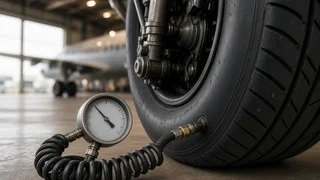
A warning that appears at idle when the engine is hot points to a different set of causes. Hot oil is thinner, so a worn pump or excessive bearing clearance shows up first at low RPM. A mechanical oil pressure gauge can compare actual pressure against the expected warm idle value, but exact numbers vary by engine and must be confirmed for the specific Peugeot. A steady warning at all speeds with a full sump suggests a failed pressure switch, a wiring short, or a blocked oil pickup. Disconnecting the switch and checking the circuit can clarify whether the problem is electrical or mechanical, but the engine should not be run if pressure cannot be confirmed.