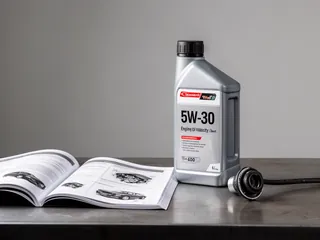
Buy 5W-30 engine oil

Choosing the right 5W-30 engine oil affects cold-start protection, fuel economy, and long-term wear. When you set out to buy 5W 30 engine oil, the goal is not just finding a bottle with a familiar label. Matching the lubricant specification, manufacturer approval, and fill quantity to your owner’s manual prevents unnecessary engine stress. This guide explains what the grade means, why approvals matter, and how a level check fits into a practical purchase decision.
The direct answer
When you buy 5W-30 engine oil, you are selecting a multigrade lubricant that flows like a 5-weight oil at low temperatures and behaves like a 30-weight oil at operating temperature. The first number, with the W meaning winter, describes cold cranking viscosity, which influences how quickly oil reaches the valvetrain during a cold start. The second number describes high-temperature viscosity, which affects the oil film strength under load. A 5W-30 grade is appropriate for many gasoline engines, but the vehicle-specific owner’s manual remains the controlling document because bearing clearances and variable valve timing systems vary.
The direct answer to your immediate question is that you should purchase a 5W-30 oil meeting the exact industry standard or manufacturer approval listed on the oil cap or in the service information. Look for an API donut, an ILSAC starburst, or a specific automaker’s approval code that matches the equipment identification of your engine. Do not substitute a different viscosity simply because it is on sale. If the manual specifies a fill quantity, use that figure as your buying guide: one oil change often requires a five-quart jug plus an extra quart, but you should confirm the sump capacity before checkout.