5W-30 Low-SAPS Engine Oil: When It's the Right Choice

The short answer
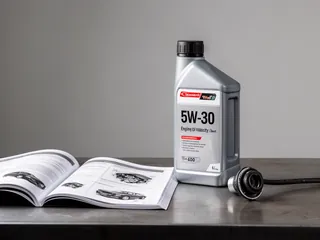
A 5W-30 low-SAPS oil is the right choice when your vehicle's handbook calls for a 5W-30 viscosity and a specification that limits ash-forming additives. This is typical of engines fitted with a diesel particulate filter (DPF), a gasoline particulate filter (GPF) or sensitive catalytic converters. The viscosity grade alone is not enough to decide. What matters most is the exact approval or performance specification your manufacturer lists for your model year, market and engine. If the handbook specifies an oil the bottle does not list, the bottle is not the right match, even when both are 5W-30 and both are described as low-SAPS.
What the terms mean
5W-30 is a viscosity grade. The 5W part describes how the oil flows when cold, and W stands for winter. The 30 part describes its thickness at normal operating temperature. A 5W-30 oil from any brand meets the same viscosity grade, but that says nothing about its additive chemistry.
SAPS stands for sulphated ash, phosphorus and sulphur. These elements come mainly from anti-wear and detergent additives. When small amounts of oil burn in the combustion chamber, these elements leave residue. Ash can build up in particulate filters, and phosphorus and sulphur can reduce how well a catalytic converter works over time. Low-SAPS oils limit these elements to protect exhaust after-treatment.
Low-SAPS and mid-SAPS are not the same
Retail labels often use "low SAPS" loosely. The European ACEA C categories cover oils designed for vehicles with after-treatment, but they set different chemical limits:
ACEA C1 and C4: low-SAPS categories with the tightest limits on ash-forming additives. ACEA C2, C3, C5 and C6: commonly described as mid-SAPS, with somewhat higher permitted levels. Many 5W-30 oils sold as low-SAPS are actually C3 oils, which is a mid-SAPS category.
This distinction matters because a vehicle that specifies C4, for example, is not necessarily covered by a C3 oil, and the reverse is also true. The categories also differ in other properties, including high-temperature viscosity behaviour and fuel-economy characteristics. Do not treat them as interchangeable.
Manufacturer approvals often matter more than the ACEA category
Many European manufacturers publish their own oil standards. A vehicle handbook may list one of these instead of, or in addition to, an ACEA category. Examples commonly seen on 5W-30 low- or mid-SAPS oils include:
Volkswagen Group: VW 504 00 / 507 00; BMW: Longlife-04; Mercedes-Benz: MB 229.51 or 229.52; Renault: RN0720; Porsche: C30
An oil can meet an ACEA category and still lack a particular manufacturer approval. Where your handbook names a manufacturer standard, look for that exact standard on the bottle. Pay attention to the wording. "Approved" usually means the oil maker has gained formal approval from the vehicle maker. "Meets" or "suitable for" usually means the oil maker states that the oil is suitable, without formal approval. Some warranty and service-plan terms may treat these differently, so check yours.
Which vehicles typically need it
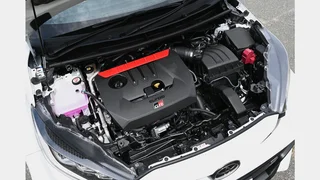
Diesel cars and vans with a DPF, especially from European manufacturers. Newer gasoline engines with a GPF, particularly direct-injection engines. Vehicles on manufacturer variable or long-life service schedules, which often depend on a specific approved oil.
These are general patterns, not compatibility claims for any specific vehicle. The same model name can use different engines, after-treatment hardware and oil specifications depending on model year, market and trim. A diesel and a gasoline version of the same car may require different oils. Requirements can also change partway through a production run.
Can you use 5W-30 low-SAPS oil in an engine that doesn't require it?
Sometimes, but only if the oil also meets the specification your handbook lists. Low-SAPS chemistry is not automatically better or worse. It is a different formulation suited to a specific need. Some older engines or high-mileage applications were designed around oils with higher anti-wear additive levels. In those engines, a low-SAPS oil may not be the recommended choice. If your vehicle has no particulate filter and the handbook does not call for a C-category or equivalent, follow the specification it does list.
How to confirm the right oil before buying
Check the owner's handbook or service booklet for the required viscosity and specification. Use the edition for your exact model year and market. Note any manufacturer approval code, not just the ACEA category. Check whether climate or service-interval type changes the recommendation. Some handbooks list different options for each. Match the bottle's listed approvals to the handbook, not the front-label marketing. If the handbook is missing or unclear, ask a franchised dealer's service department using your vehicle identification number (VIN), or use an oil manufacturer's vehicle lookup tool, and compare its answer to the handbook where possible.
What this guide cannot confirm
No vehicle-specific data, product test results, prices or availability were supplied for this article. It therefore cannot confirm which oil fits a particular car, rank specific brands, or state exact chemical limits for each category. For a definitive answer, use your vehicle's documented specification and the approvals printed on the oil container.