5W-30 Engine Oil Explained: What the Grade Means and Which Cars Use It
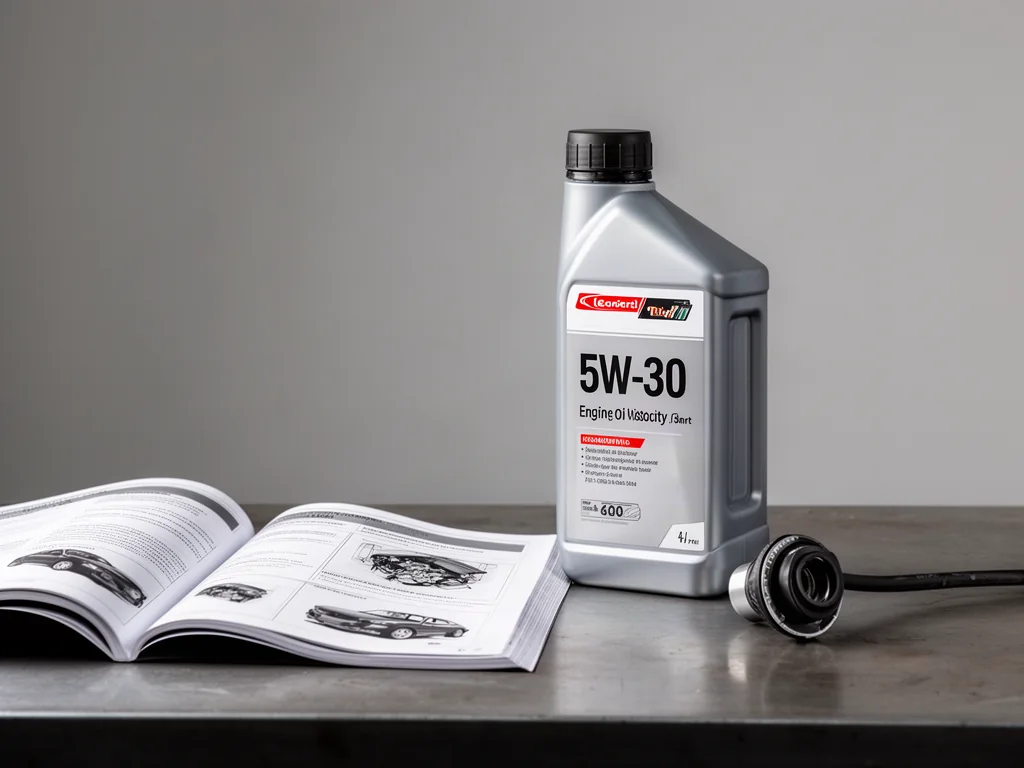
Few markings on an oil bottle cause as much confusion as 5W-30, especially once words like synthetic, blend, and SAE get added. The grade describes how the oil flows, not how good it is or who made it. Once you know what the numbers mean, how synthetic formulations differ, and which standards matter alongside viscosity, choosing the right oil for your engine gets much easier.
What the 5W-30 Label Actually Tells You
5W-30 is a viscosity grade, a standardized description of how thick an oil is and how it flows. It is not a brand, and on its own it says nothing about quality. You will see it written as 5W30, 5W-30, 5 W 30, or occasionally reversed as 5-30W, while a shortened 530 or a padded 05W30 points to the same grade. However it is typed, the reliable reference is the exact grade printed on the bottle, and it should match what your owner's manual calls for.
The code has two halves. The W stands for winter, not weight, and the number before it reflects how the oil behaves during a cold start. A lower number means the oil flows more readily when the engine is cold and oil needs to reach moving parts quickly. The number after the W describes viscosity at normal operating temperature. Because 5W-30 is a multigrade oil, its formulation lets it act like a thinner oil when cold and hold up like a thicker oil once hot, so one grade covers both conditions.
Why the SAE Prefix Appears on the Bottle
The SAE prefix refers to the Society of Automotive Engineers, whose viscosity classification defines the grades printed on engine oil containers. SAE 5W-30 and plain 5W-30 are the identical grade. The prefix does not signal a premium product or a different formula. The grade is assigned through standardized laboratory tests that measure how the oil flows at defined temperatures. It therefore reflects measured behavior, not the oil maker's marketing language or a claim about how well the oil protects an engine.
That standardization is useful, but it has limits. Two bottles can both carry SAE 5W-30 and still differ in additive chemistry, detergent levels, and the certifications they hold. The grade confirms how thick the oil is, not whether it was made for your particular engine. Read it together with the performance standard printed on the label and any manufacturer approval your manual requires. Only when the grade, the standard, and any required approval all match can you be confident the oil is suitable.
Synthetic, Synthetic Blend, and Conventional 5W-30
Full synthetic, synthetic blend, and conventional 5W-30 differ in base oil and additive formulation, yet all three share the same viscosity grade. Conventional oil uses refined mineral base stock. A blend mixes mineral and synthetic stocks, and full synthetic relies on more highly processed or chemically engineered base oils. Full synthetic is generally associated with more consistent behavior across temperature extremes and stronger resistance to heat breakdown and oxidation. How much that matters depends on the engine and how the vehicle is driven.
Many owner's manuals for modern engines now call for full synthetic 5W-30. In that case the manual settles the question, not personal preference or price. Where conventional oil is permitted, it remains a valid choice. Keep in mind that synthetic describes the formulation and is not a certification. It is also not permission to stretch oil changes beyond the manufacturer's schedule. The performance standard and approvals printed on the container tell you more about suitability than the marketing term on the front.
How to Confirm 5W-30 Is Right for Your Car
The authoritative sources for your engine's oil grade are the owner's manual, the oil filler cap, and any under-hood service label. Recommendations can vary by engine, model year, and the market a vehicle was built for, so two similar-looking cars may not share the same specification. Some manuals list more than one acceptable grade in a chart tied to outside temperature ranges or driving conditions. Find the range that matches your climate and use, and note whether a grade is marked as preferred or only permitted.
Older or high-mileage engines can carry different guidance, and some manufacturers update their recommendations after a vehicle's launch. High-mileage oils are sold in 5W-30, but whether one suits your car depends on the manufacturer's guidance, not a general rule about age. If the manual is missing, a dealer or qualified technician can look up the correct grade and specification from the vehicle identification number. That is far more reliable than guessing from engine size, because engines with similar displacement can have very different requirements.
Performance Standards and Approvals Beyond Viscosity
Viscosity is only one requirement. Performance standards such as API service categories and ILSAC ratings describe how well an oil protects against wear, controls deposits and sludge, and works with emissions hardware like catalytic converters. On the container, the API service symbol, often called the donut, shows the grade and service category. The ILSAC starburst shows that the oil meets that certification. Compare the label against the standard named in your manual. That match, together with the correct grade, is the minimum requirement for a suitable oil.
Many manufacturers also publish their own oil specifications or approval codes, and the manual may require one of them. These requirements are especially common for turbocharged and direct-injection engines, which place particular demands on deposit control and oil stability. When the manual lists a specific approval, the bottle should name that approval explicitly. An oil that meets 5W-30 but lacks the required standard or approval is still the wrong oil. This is one of the most common sources of confusion when buying oil.
What Happens When the Wrong Grade Goes In
Manufacturers specify a grade for engineering reasons. Bearing clearances are designed around a certain oil film, variable valve timing systems often rely on oil pressure to work correctly, and fuel economy targets can depend on reduced internal friction. An unsuitable oil may show up as changed noise on cold starts, an oil pressure warning, rough timing-related behavior, or higher oil consumption. Each of those symptoms can also come from worn components, sensor problems, or leaks, so the oil is only one possible explanation.
Adding a small amount of a neighboring grade to bring the oil up to the correct level is different from filling the engine with the wrong oil. The manual is the guide to what is acceptable. If the wrong grade went in during a full oil change, correcting it at the next opportunity is sensible. Persistent warning lights, unusual noises, or rising oil consumption call for a professional inspection. Any stored fault codes are evidence to interpret alongside other checks. Changing the oil again and again as a guess can hide the real problem.