Understand high-SAPS engine oil
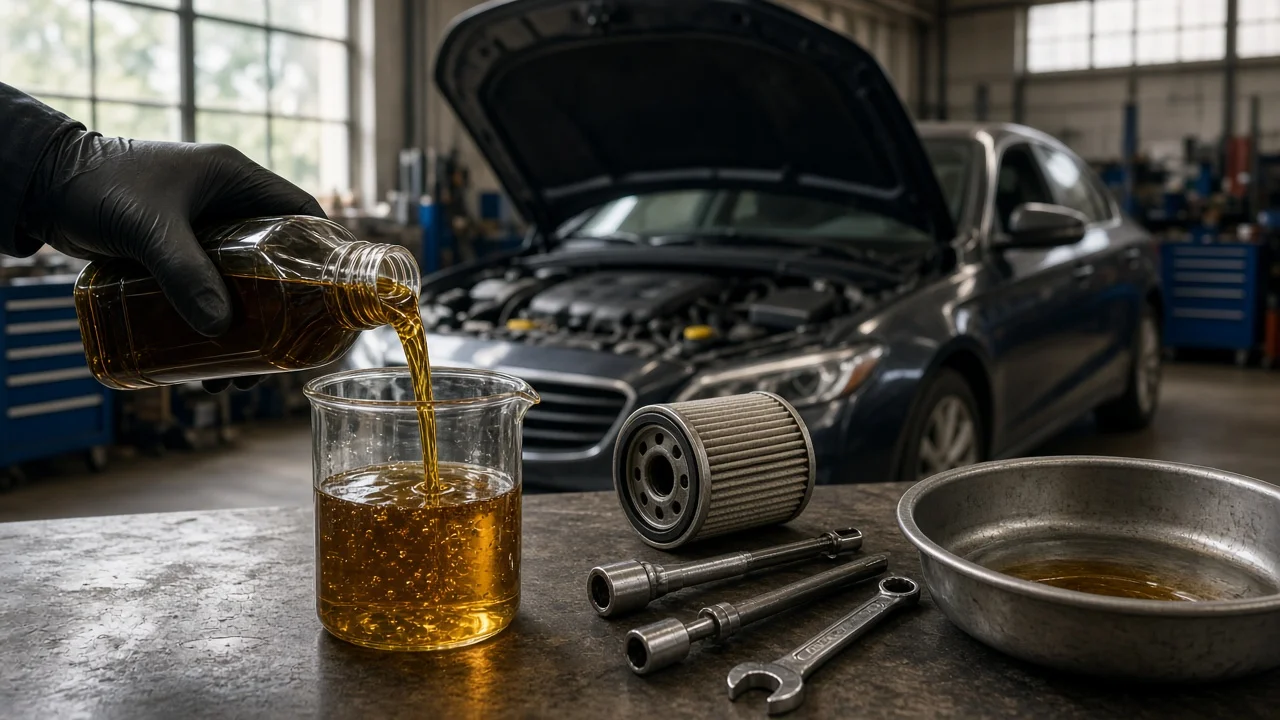
High-SAPS engine oil is not simply a viscosity choice; it is a lubricant specification defined by an elevated additive package of sulfated ash, phosphorus, and sulfur. These compounds historically provided strong detergency and antiwear protection in engines with looser tolerances or older emissions controls. The same chemistry can become a compatibility concern when oil reaches exhaust aftertreatment hardware on modern gasoline or diesel vehicles. Understanding the category helps an owner interpret manufacturer approvals, select the correct fill quantity and service interval, and avoid treating a high-SAPS product as a universal upgrade for every engine.
Essential answer
A high-SAPS engine oil is a full-SAPS formulation whose additive chemistry sits at the upper end of the sulfated ash, phosphorus, and sulfur limits used by an industry lubricant specification. The metallic detergents that contribute ash help neutralize acidic combustion byproducts, while phosphorus supports antiwear film formation and sulfur participates in antioxidant and friction-modifying chemistry. Engines originally validated with older emissions standards or traditional bearing and ring materials may depend on that additive load for deposit control, especially when sustained high oil temperatures or heavy soot loading challenge the lubricant over a full service interval.
The term should not be read as a measure of quality by itself. A high-SAPS oil is appropriate when the engine design and emissions system are compatible with the chemistry, and the manufacturer approval or equipment identification calls for that specification. In a port-injected gasoline engine without a sensitive catalyst, the full additive package may suit the intended oil change interval. In a modern direct-injection or diesel engine with a particulate filter or close-coupled catalyst, the same oil may be unsuitable because ash and phosphorus compounds can accumulate in the exhaust stream and reduce aftertreatment efficiency over time.
Compared with mid- and low-SAPS lubricants, a high-SAPS oil generally retains more metallic detergent and antiwear chemistry for severe-duty operation. The trade-off is that oil consumed through normal piston-ring clearance, valve guide wear, or turbocharger seals carries those additives into the combustion chamber and then into the exhaust. When the engine platform was not designed for that ash load, deposits can form on catalyst surfaces or block filter channels. For this reason, the owner’s manual specification and the oil container’s listed manufacturer approval are more important than marketing language that simply describes the oil as full-SAPS or high-performance.
Practical selection begins with the lubricant specification printed in the vehicle documentation and the approved oil standards listed for the engine family. The correct viscosity and fill quantity remain essential, but so does the SAPS level. An engine that requires a low-SAPS oil should not be switched to a high-SAPS product merely to chase longer drain intervals or stronger detergent claims. Conversely, an older engine validated with a full-SAPS oil may rely on that chemistry. Matching the oil category to the manufacturer approval—and confirming the level check and service interval afterward—keeps the fill consistent with the hardware it protects.