Identifying a 48RE Transmission Shift Solenoid
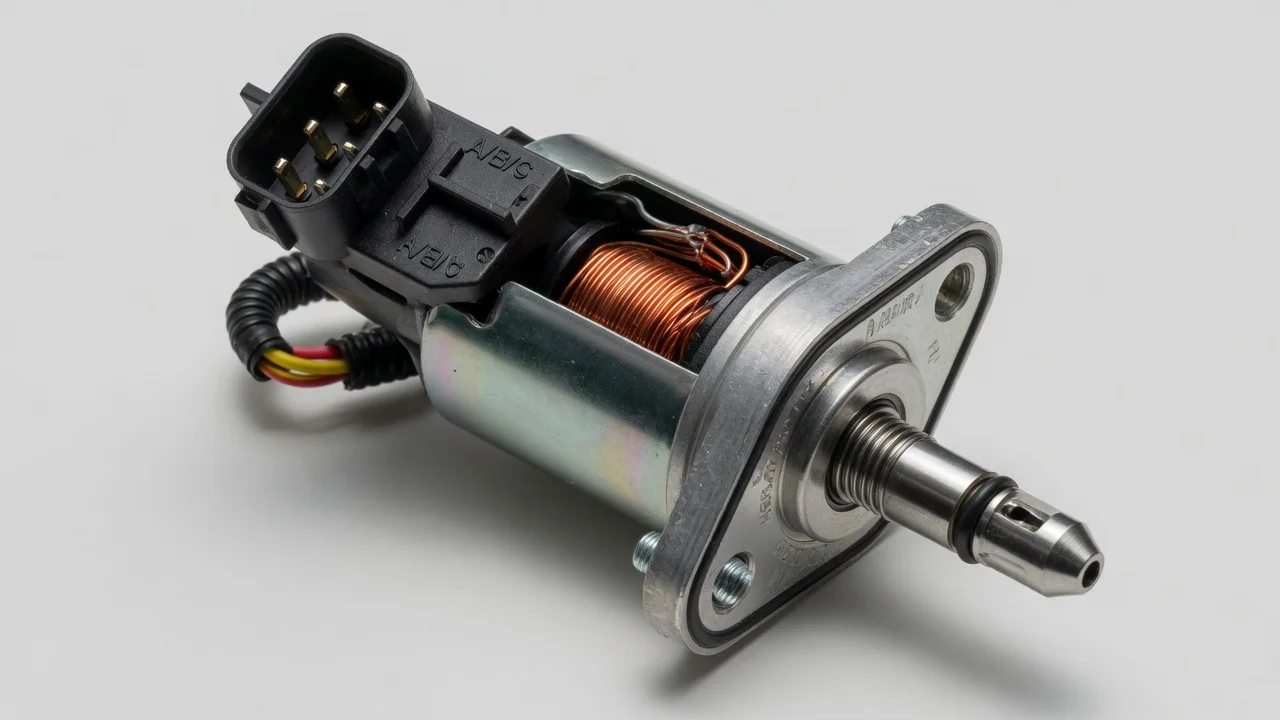
When a heavy-duty Ram with a 48RE automatic will not shift into overdrive or never locks the torque converter, owners often blame a shift solenoid. That may be correct, but the 48RE does not use a typical multi-solenoid shift pack. This guide explains which solenoids the transmission actually has, where they sit, how to confirm you are working on a 48RE, and why a symptom or trouble code alone does not prove that a solenoid has failed.
Which Solenoids a 48RE Actually Uses
The 48RE is a four-speed automatic in Chrysler's RE family, used mainly behind Cummins diesel engines in heavy-duty Ram pickups during the mid-to-late 2000s. Unlike many electronically shifted transmissions, it does not have a separate solenoid for every gear. What owners call the shift solenoid on a 48RE is usually the overdrive and torque converter clutch solenoid assembly, a single unit that houses two solenoids: one that controls the 3-4 upshift into overdrive and one that controls converter lockup.
A second electrical component, the governor pressure solenoid, works together with a governor pressure sensor to influence the 1-2 and 2-3 shifts. These parts are separate from the overdrive and lockup assembly. Both sit on or next to the valve body inside the transmission, so reaching either one requires draining the fluid and removing the pan. Correct identification therefore starts with working out which of these parts is actually connected to the problem you are seeing.
How Shifting Works on This Transmission
First, second and third gears are selected hydraulically by valves in the valve body. The engine computer does not command those shifts directly. Instead, it adjusts governor pressure through the governor pressure solenoid, using vehicle speed, throttle position and the reading from the governor pressure sensor. Rising governor pressure moves the shift valves, so this circuit shapes when the lower gears change rather than switching them on and off.
The fourth gear and converter lockup work differently. When conditions allow, the computer energizes the overdrive solenoid to apply the overdrive clutch and the converter clutch solenoid to lock the converter. Power to these solenoids normally passes through a transmission control relay, and the overdrive cancel switch on the shifter also plays a part. If the computer detects a serious electrical fault, it can cut that power and leave the transmission in a fixed-gear limp mode. That is why a blown fuse, failed relay, damaged connector or chafed harness can produce the same shift behavior as a failed solenoid.
What Changes the Answer
First, confirm the transmission type. The 47RE, 48RE and the lighter-duty 46RE look broadly similar from the outside, and swapped or rebuilt units are common in older trucks. The identification tag on the transmission case, the original build information tied to the VIN and any documented service history are more reliable than model year alone. A transmission that has been replaced or rebuilt may differ from what the truck originally came with.
Second, fitment varies. Overdrive and lockup solenoid assemblies for the RE family have changed over production, and connectors, valve body designs and aftermarket performance valve bodies can affect which part fits and how it behaves. Match a replacement by part number or by verified application, not by general description. The fluid specification matters as well: these transmissions were filled at the factory with an ATF+4 type fluid, and incorrect or badly degraded fluid can cause shift complaints that look like electrical faults. Finally, operating conditions change what you notice. Towing, a cold transmission, a high fluid temperature or a pressed overdrive cancel button can all suppress overdrive or lockup normally, so judge shift behavior under ordinary conditions.
What the Owner Can Do
Start with information rather than parts. Read the stored diagnostic codes using a scan tool that can access transmission data, not just generic engine codes. On RE transmissions, codes for the 3-4 shift solenoid circuit, the converter clutch circuit, the governor pressure solenoid or sensor, and the transmission relay are the most relevant, but check each code's exact definition for your truck. A circuit code means the computer saw an electrical problem somewhere in that circuit, which includes the wiring, connector, relay and the computer itself, not only the solenoid.
Next, check the basics. Confirm the fluid level using the factory procedure, and note the fluid's color and smell. Make sure the overdrive cancel indicator is not on, and inspect the harness and the transmission case connector for oil contamination, corrosion, chafing or loose pins. Record the symptoms precisely: whether the truck fails to enter overdrive, never locks the converter, shifts early or late in the lower gears, or stays in one gear from a stop. If the transmission data shows governor pressure, compare actual pressure against the desired value while driving.
If a solenoid still looks like the cause, a resistance check at the connector, compared with the specification in the service manual for your exact transmission, can separate an open or shorted circuit from a wiring fault. Repair options then include replacing the overdrive and lockup solenoid assembly, replacing the governor pressure solenoid and sensor, or repairing the harness. Each involves dropping the pan, so changing the filter and refilling with the correct fluid at the same time is sensible.
Limitations and Next Step
Symptoms such as missing overdrive or no converter lockup overlap with worn clutches, a failing overdrive unit, valve body sticking, low line pressure and converter problems. A new solenoid will not fix any of these, and a mechanical failure can also set codes that point toward electrical components. Electrical tests also have limits: a solenoid can pass a resistance check yet stick or leak internally under heat and pressure.
Use the factory service information for your truck's exact model year and transmission to get the correct procedures, specifications and connector details. If codes return after electrical repairs, the fluid shows debris or a burnt smell, or shift problems persist with a confirmed good solenoid, a transmission specialist with pressure-testing equipment and RE-family experience can find the cause before you spend more on parts.