4 Wheeler With a Top: What to Choose and What to Check Before Buying
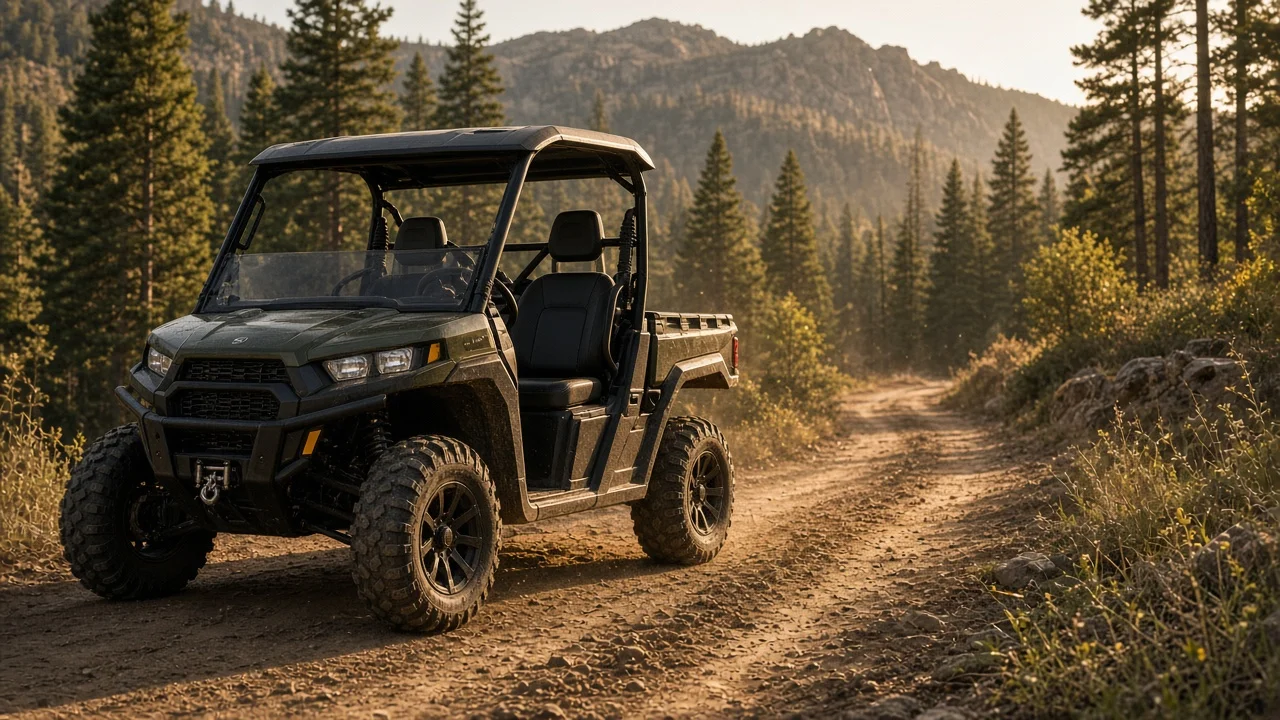
The short answer
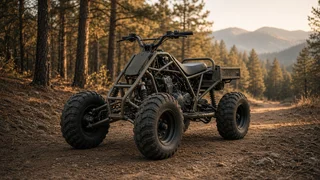
If you want a four-wheeled off-road vehicle with a roof, you are usually shopping for a side-by-side, also called a UTV (utility task vehicle), not a traditional ATV. A side-by-side has car-style seats, a steering wheel, seat belts and a rollover protective structure (ROPS), which is the cage around the occupants. Roofs are designed to mount to that cage. A straddle-seat ATV, the kind with handlebars that you ride like a motorcycle, is generally not designed to carry a roof structure.
One condition changes this answer. If you already own an ATV, or need one for its narrower size or lower cost, and only want shade or light rain cover, aftermarket canopies exist. Treat them as weather covers, not as protection. They do not turn an ATV into a vehicle with rollover protection.
ATV vs. side-by-side: why the difference matters for a top
ATVs are built for active riding. The rider shifts body weight to keep the machine balanced on slopes and in turns, and in a tip-over the rider is expected to get clear of the vehicle. A rigid frame overhead works against that design. A roof also adds weight up high and catches wind, which can change how the machine handles.
Side-by-sides are designed the other way around. Occupants stay belted inside the cage, and the cage provides the mounting points for a roof, windshield, doors and other enclosure parts. That is why manufacturers and accessory makers offer roofs mainly for side-by-sides.
Feature | Straddle-seat ATV | Side-by-side (UTV); Controls | Handlebars | Steering wheel and pedals; Seating | Rider (some tandem models carry a passenger) | Two or more seats, often four or more on crew models; Rollover structure | Not standard | ROPS cage standard; Roof options | Aftermarket canopies only, shade and rain cover | Factory and aftermarket roofs, up to full cab enclosures; What a top provides | Shelter from sun and light rain | Shelter, and a base for windshield, doors and full enclosure
Types of roofs for side-by-sides
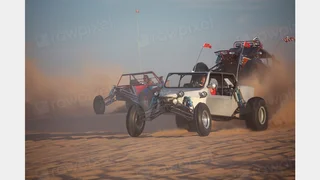
Soft top: a fabric roof stretched over the cage. It is usually light and simple, but less durable and offers less protection from heavy weather. Hard top, plastic or polymer: a molded roof that is light and resists dents. Some include channels for lights or speakers. Hard top, aluminum: generally durable and stiff, and can be noisier in rain or on rough trails. Hard top, steel: generally the most rigid option and also the heaviest. Sport roof: a lower-profile or partial roof styled for trail and dune use, mainly for sun cover. Full cab enclosure: a roof combined with a windshield, doors and a rear panel. It is aimed at cold or wet climates and work use, and some models can also be fitted with a heater.
No material is best for every buyer. The right choice depends on climate, how rough the trails are, whether you will mount lights or a cargo rack on the roof, and how much added weight you accept.
What to check when choosing and buying
Intended use: farm and property work, hunting, trail riding and dune riding call for different machines and roof styles. Decide the main use first. Seat count: two-seat and four-seat versions of the same model use different cages and different roofs. Exact fitment: confirm that the roof matches the make, model, model year and cage design. Cages can change between years and trims, so a roof for one version may not fit another. Mounting method: check whether the roof bolts to existing cage holes or uses clamps, and whether drilling is required. Overall height: a roof raises the vehicle. Check clearance for your garage, trailer or enclosed hauler, and for low branches on your trails. Transport: most side-by-sides travel on a trailer. Make sure the roofed height and the weight still suit your trailer and tow vehicle. Windshield pairing: a roof combined with a front windshield can pull dust back into the cab. A rear panel or vented windshield may be needed to manage this. Roof load: if you plan to carry gear or mount lights on the roof, follow the roof maker's load limit. Wiring: check whether the roof has provisions for lights, a sound bar or a dome light, and whether the vehicle has accessory power available. OEM vs. aftermarket: factory accessories are designed for the specific vehicle. Aftermarket roofs may offer more choice, but confirm fit and quality.
If you are buying used
Inspect the cage for bends, cracks, crush damage or weld repairs. Manufacturers generally advise replacing a damaged ROPS rather than repairing it. Check that the ROPS label or certification marking is present where the manufacturer places it. Look at roof mounting points for cracked tabs, elongated bolt holes or missing hardware. Check the roof for leaks, cracks and UV damage, especially on fabric and plastic tops. Confirm that any included roof was made for that exact model and year, not adapted from another vehicle. Verify ownership documents. Title and registration requirements for off-road vehicles vary by state.
If you want a canopy on an ATV
Check the canopy maker's fitment list for your ATV's model and year, and follow the ATV manufacturer's guidance on accessories. Expect the canopy to affect handling in wind and on slopes. Remove it for aggressive riding or steep terrain. If you need real rollover protection or regular all-weather use, a side-by-side is the more suitable vehicle.
Rules and legal points to confirm
Adding a roof does not make an off-road vehicle street legal. Road-use rules, registration and trail access for ATVs and side-by-sides are set by states and sometimes by local authorities, so check them where you live and ride. Manufacturers also set minimum ages and physical requirements for drivers and passengers, and these differ between ATVs and side-by-sides.
Information gaps
This guide does not cover specific models, prices, roof weights, dimensions or availability. That information depends on the model year, market, trim and engine, so confirm it with the manufacturer or dealer for the exact vehicle you are considering.