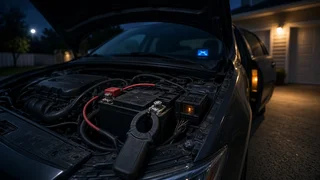
2018 Honda Civic parasitic battery drain
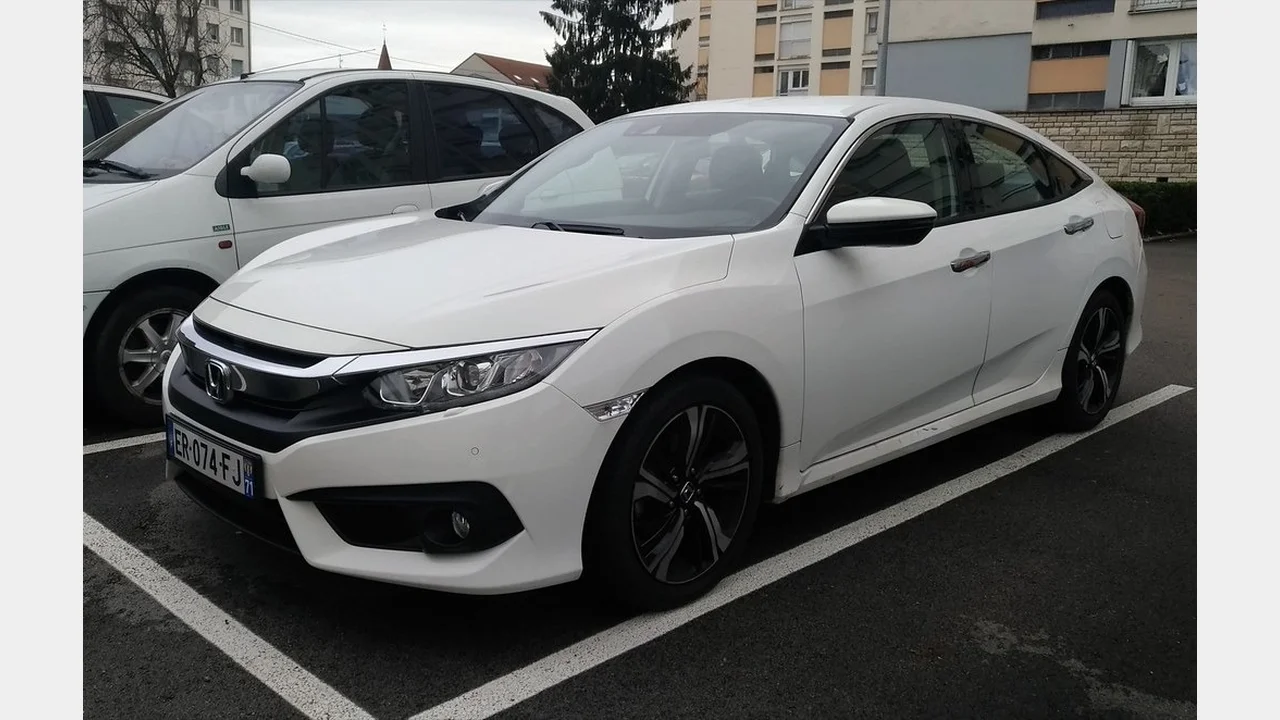
A 2018 Honda Civic that cranks slowly after sitting overnight or needs a jump start after a weekend may be losing current while the ignition is off. This condition is commonly described as parasitic battery drain, meaning one or more circuits continue consuming power after the body controller and other modules should be asleep. For this Civic, normal idle current is expected to settle within a short time after shutdown. When it does not, the result is a discharged battery that may test fine at the terminals yet still lack enough reserve capacity for the next cold start.
Essential answer
The essential answer is that a 2018 Honda Civic parasitic battery drain is best understood as excessive electrical current flowing from the battery after the ignition is switched off and the vehicle has entered its sleep state. Some standby consumption is normal because the keyless entry receiver, security indicator, body control module, and audio memory circuits remain lightly powered. A drain becomes a problem only when system current remains above the expected resting draw, or when an aftermarket accessory or damaged wiring keeps a circuit awake and gradually lowers system voltage over hours or days.
Interpreting the condition requires separating a weak or aging battery from a true parasitic draw. A battery that discharges because of an interior lamp, a stuck relay, a phone charger left in an accessory socket, or a module that fails to enter sleep mode will show a measurable current flowing through the negative battery terminal after shutdown. Regular testing of battery terminals, charging output, and voltage drop across individual fuses helps locate the branch circuit, but the fault code or fuse rating alone does not identify a failed component. Manufacturer-dependent behaviors make vehicle-specific confirmation important before replacing a part.