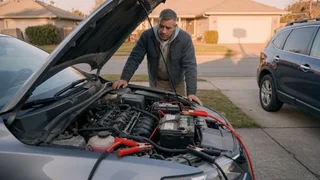
2017 Chevrolet Malibu battery jump start

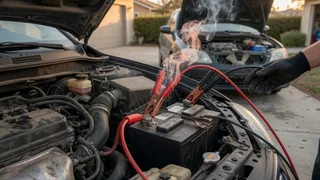
A no-start condition in a 2017 Chevrolet Malibu often points to battery voltage below the threshold needed for the starter and engine control modules. Jump starting can restore cranking power, but the procedure matters because this sedan uses a 12-volt electrical system with sensitive electronics. Proper connection at the correct battery terminals reduces voltage drop risks and helps avoid damage to fuses, sensors, or charging output components. The guidance below covers safe positioning, cable sequence, and useful after-start checks for this vehicle.
Essential answer
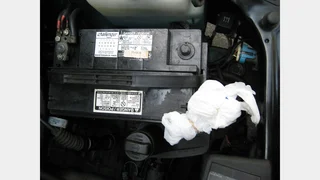
The direct answer is that a 2017 Chevrolet Malibu battery jump start uses a second 12-volt source to raise system voltage enough for cranking. On this model, the battery may be located under the hood or in the trunk depending on equipment, while remote jump posts can provide under-hood access. Before connecting cables, compare the owner’s manual diagram with the actual battery terminals and fuse rating labels. A weak battery may still illuminate dash lights, so a no-crank or slow-crank symptom is a stronger indication that jump starting is appropriate.
After the engine starts, the charging output should maintain system voltage and begin replenishing the battery. If the engine stalls immediately or electrical accessories behave erratically, the issue may extend beyond a discharged battery. Checking for voltage drop across the cable connections and observing whether the alternator keeps the system near normal charging voltage can help distinguish a failed battery from a charging fault. A jump start is a temporary recovery method, not a repair, so the underlying cause still needs identification.